No. 02 · Content & Blogs
Cappa Cappa Capstone’s PTO Sisterhood
cappacappacapstone.com
A parody publication for the Capstone Cougars PTO, with mock school-community news, event listings, and fundraising appeals.
Issue 2026-10-01974 cards in today’s catalogue
Daily issue ·
A skeleton can work without slippers; becoming a character takes choices that no wiring diagram supplies. Nathalie’s account keeps those choices—and the people responsible for them—visible, rather than letting code stand in for the whole achievement. At unclemurray.org, her build log pairs wire tracing with jokes and a missing-pet backstory, documenting how a store-bought Halloween prop became Uncle Murray.
Editor’s feature · No. 01 · Weird Finds
The build log goes from tracing wires with a multimeter to giving Murray pink dolphin slippers and a missing-pet backstory. Nathalie, age 9, says she made his character, voice, jokes, wiring, box, and sign; her dad handled the code with an AI helper.
02
The opening shelf
Twenty selected projects from today’s catalogue, each shown with the landing page we found and a short explanation of why it stood out.
No. 02 · Content & Blogs
cappacappacapstone.com
A parody publication for the Capstone Cougars PTO, with mock school-community news, event listings, and fundraising appeals.
No. 03 · Weird Finds
streetsofprague.com
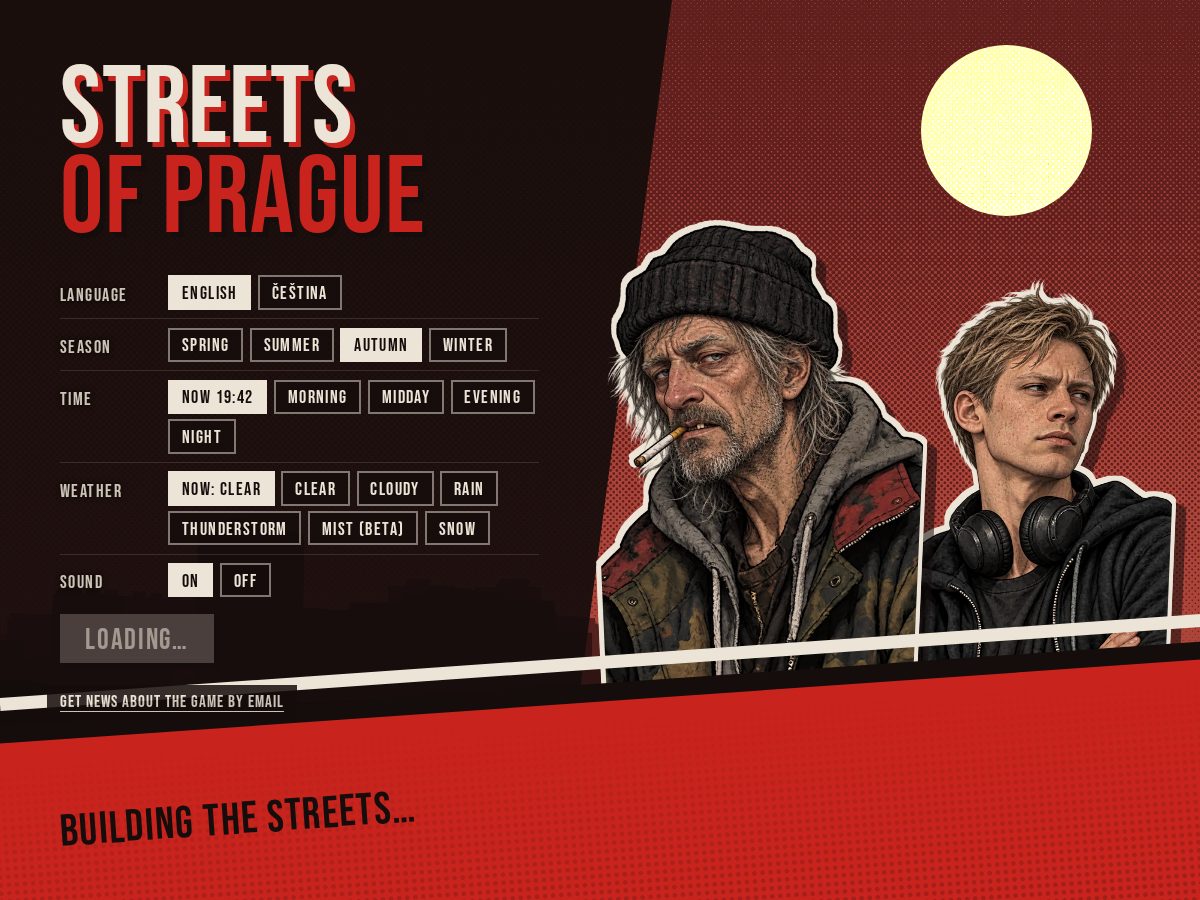
A playable Prague street simulator lets you explore on foot, drive, take the tram or funicular, and even fly.
No. 04 · Content & Blogs
cappacappa.com
A satirical school-parent-organization site, complete with mock local news, fundraising events, a calendar, and a Lost & Found.
No. 05 · Civic & Public Life
budgetstate.com
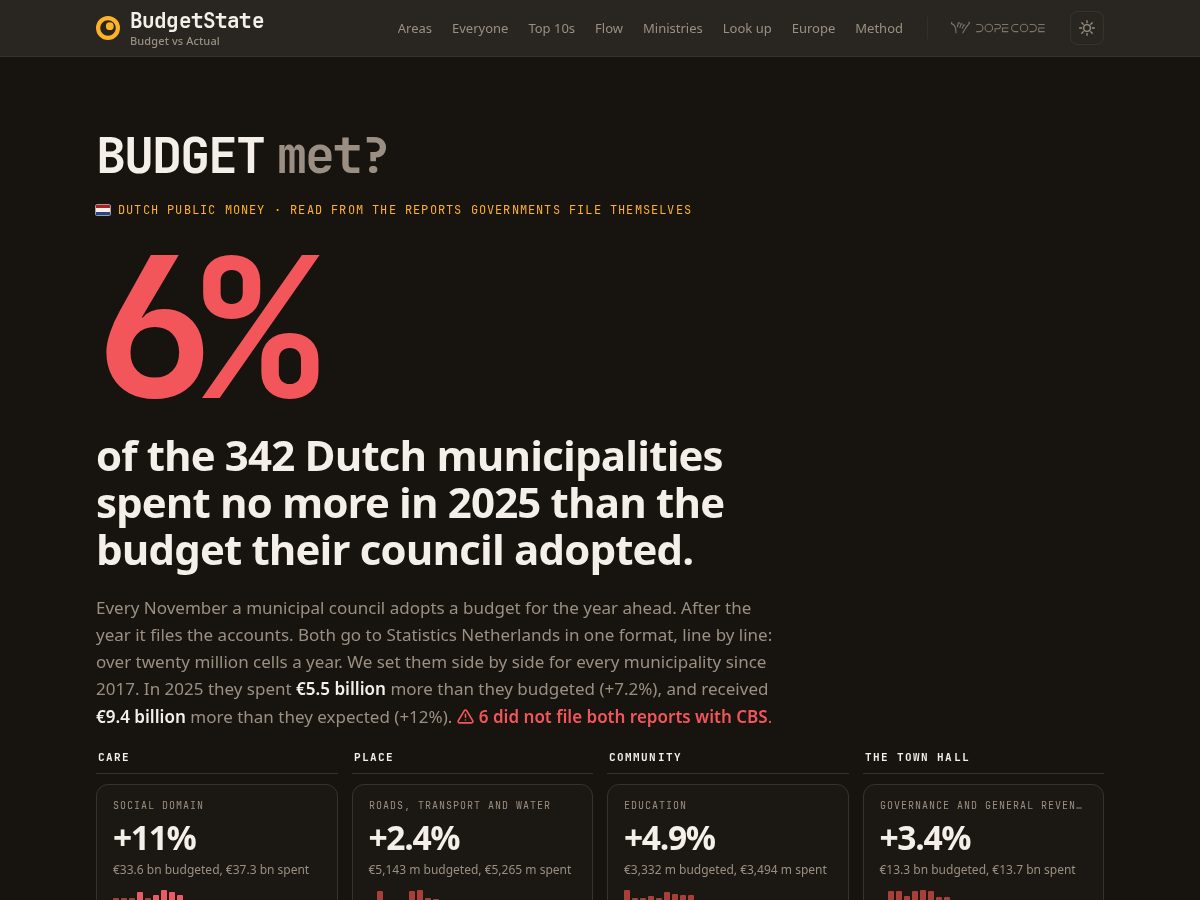
An open data project compares Dutch municipalities’ adopted budgets with spending reported in their accounts, by year and policy area.
No. 06 · Weird Finds
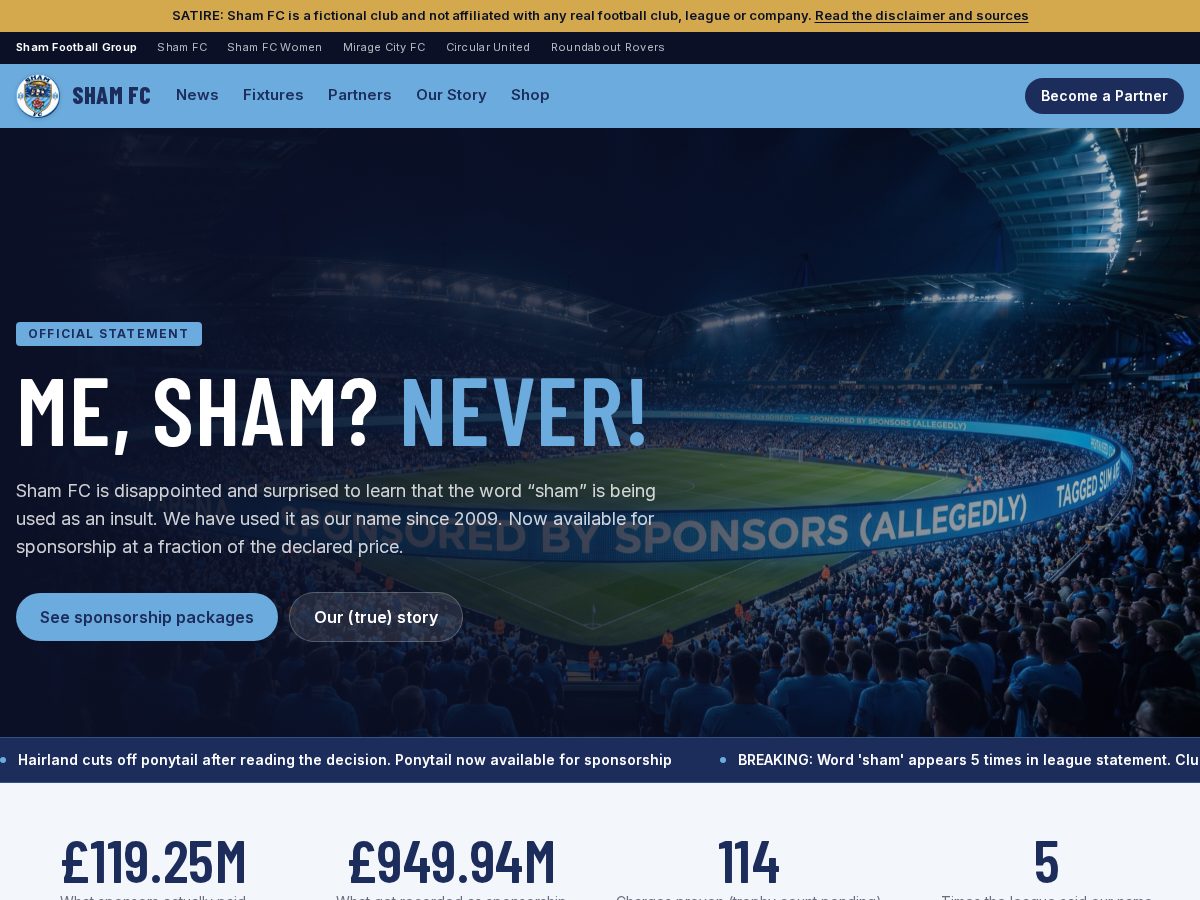
shamfc.com
A fictional football club’s satirical site, with mock news, fixtures, and a calculator that turns a chosen payment into an eightfold declared sponsorship.
No. 07 · Weird Finds
cityservicesgame.com
An in-world municipal website for a one-to-four-player co-op game about a small-town public-works crew.
No. 08 · Useful Tools
crawlerzoo.com
A live field guide to the bots visiting the site, with traffic counts, specimen files, and crawler tools.
No. 09 · Civic & Public Life
woadyyaloak.com
A scrollable model traces the river’s route alongside gauge readings, place names, local history, and the places and groups connected to it.
No. 10 · Civic & Public Life
zeydele.com
A free, searchable index of Jewish family records, with entries linked to the original archival images.
No. 11 · Content & Blogs
carollazar.com
An archive of Carol Lazar’s newspaper columns about family life in Johannesburg and later Cape Town, published from 1979 to 2001.
No. 12 · Weird Finds
artgallery360.art
An interactive exhibition turns four paintings about water into navigable 360° rooms.
No. 13 · Civic & Public Life
savekherson.org
Operace Kyseláč explains why Kherson needs support, presents hospital requests, and documents the conditions facing residents and local services.
No. 14 · Civic & Public Life
deflockmorrison.com
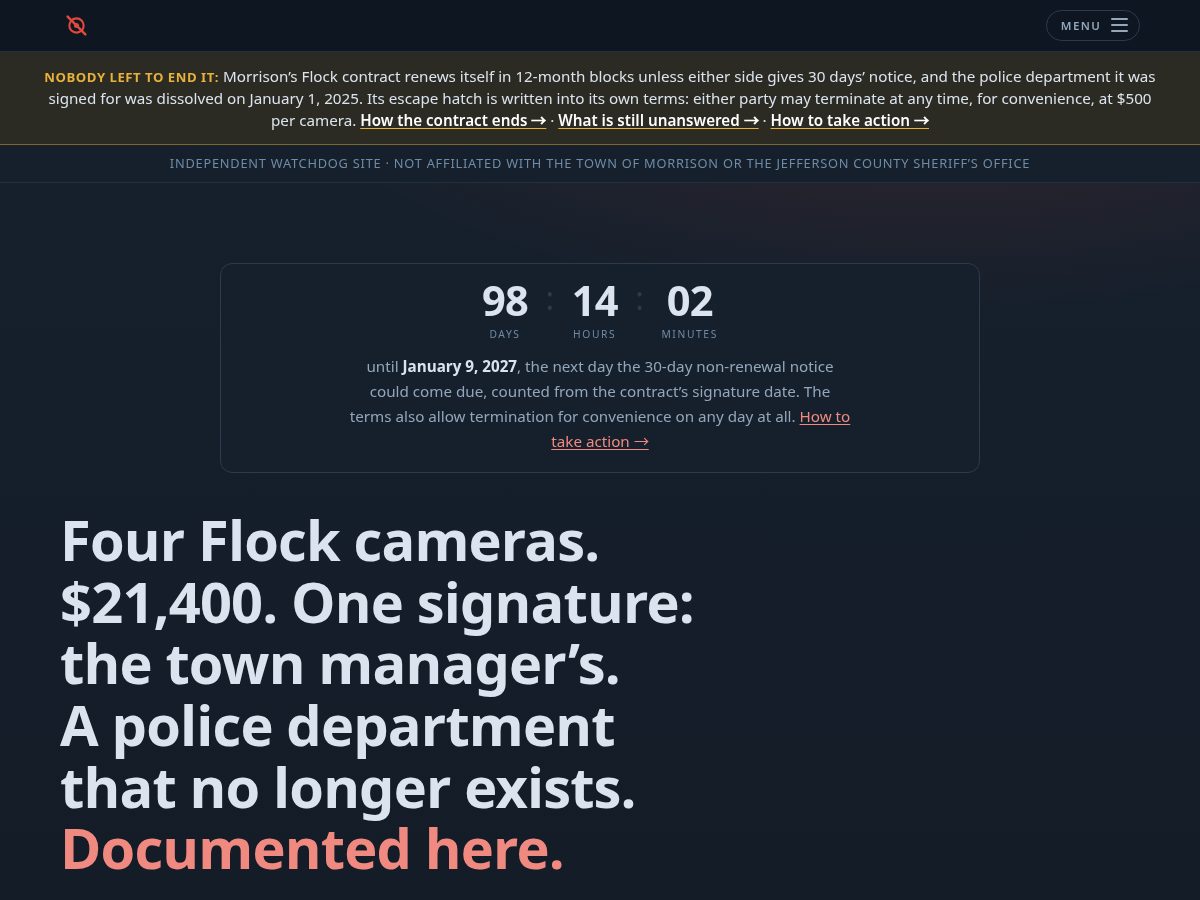
An independent watchdog dossier examines Morrison, Colorado’s Flock license-plate-camera contract and what happened after the police department that signed it was dissolved.
No. 15 · Civic & Public Life
eksilikocaalidomatesi.com
A family-preserved tomato from Kocaali, Sakarya, with a free seed-request program and notes on its tart flavor, scent, and cultivation.
No. 16 · Content & Blogs
horsememearchive.org
An interactive archive and documented dataset of horse memes, collected by hand and machine.
No. 17 · Useful Tools
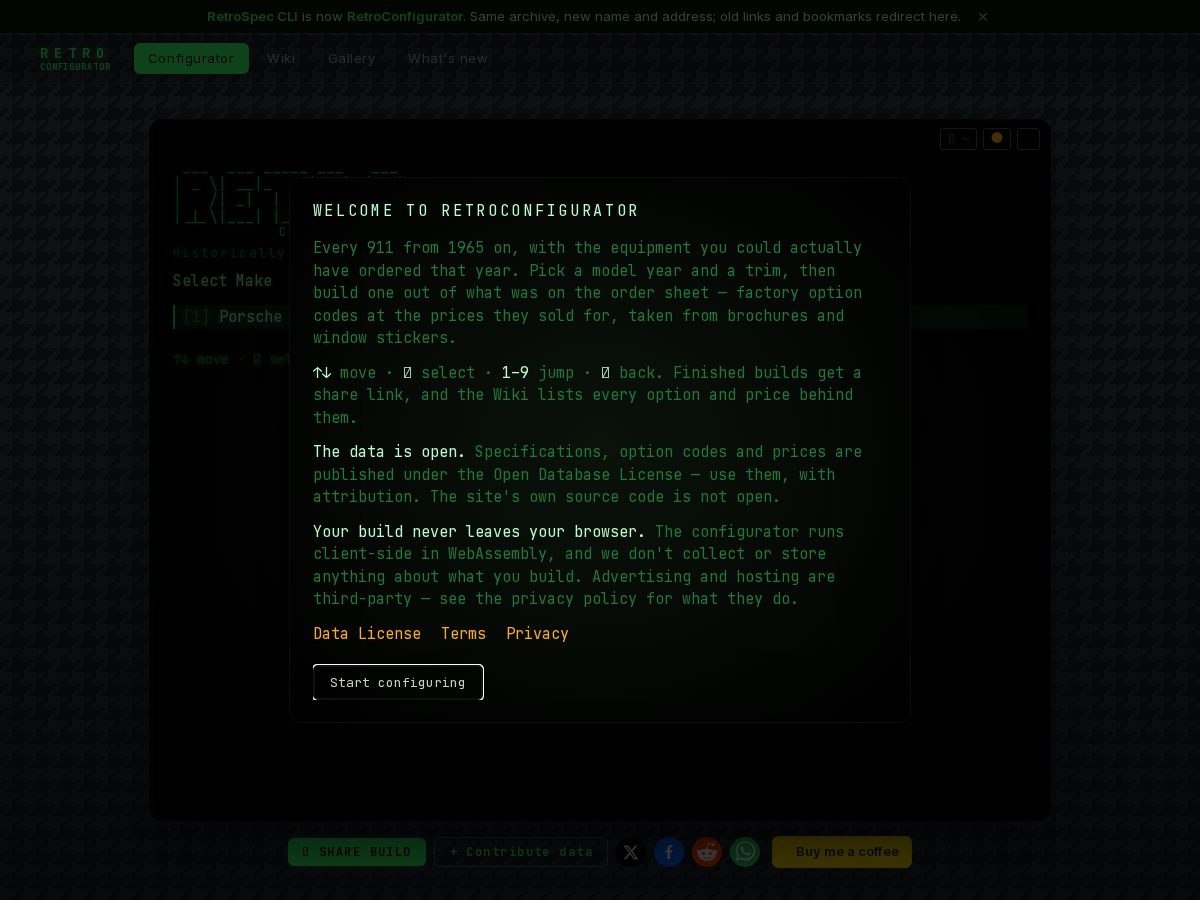
retroconfigurator.com
An in-browser archive for configuring Porsche 911s by model year, using factory options and period prices from 1965 to 2024.
No. 18 · Civic & Public Life
ailearningevidence.com
A public research collection tracks what published studies show about whether AI-assisted learning improves what students can do without AI.
No. 19 · Content & Blogs
butterstreetmonster.com
A Germantown, Ohio folklore project traces a local creature legend through newspaper clippings, regional stories, and short films.
No. 20 · Content & Blogs
mordgrim.com
A campaign archive for a Mordheim game group, with in-world broadsheets, warband records, scenarios and battle reports.
Pattern 01
Several public-interest projects make the record useful by marking what it proves, what it suggests, and what remains unknown.
An open data project compares Dutch municipalities’ adopted budgets with spending reported in their accounts, by year and policy area.
Card 2An independent watchdog dossier examines Morrison, Colorado’s Flock license-plate-camera contract and what happened after the police department that signed it was dissolved.
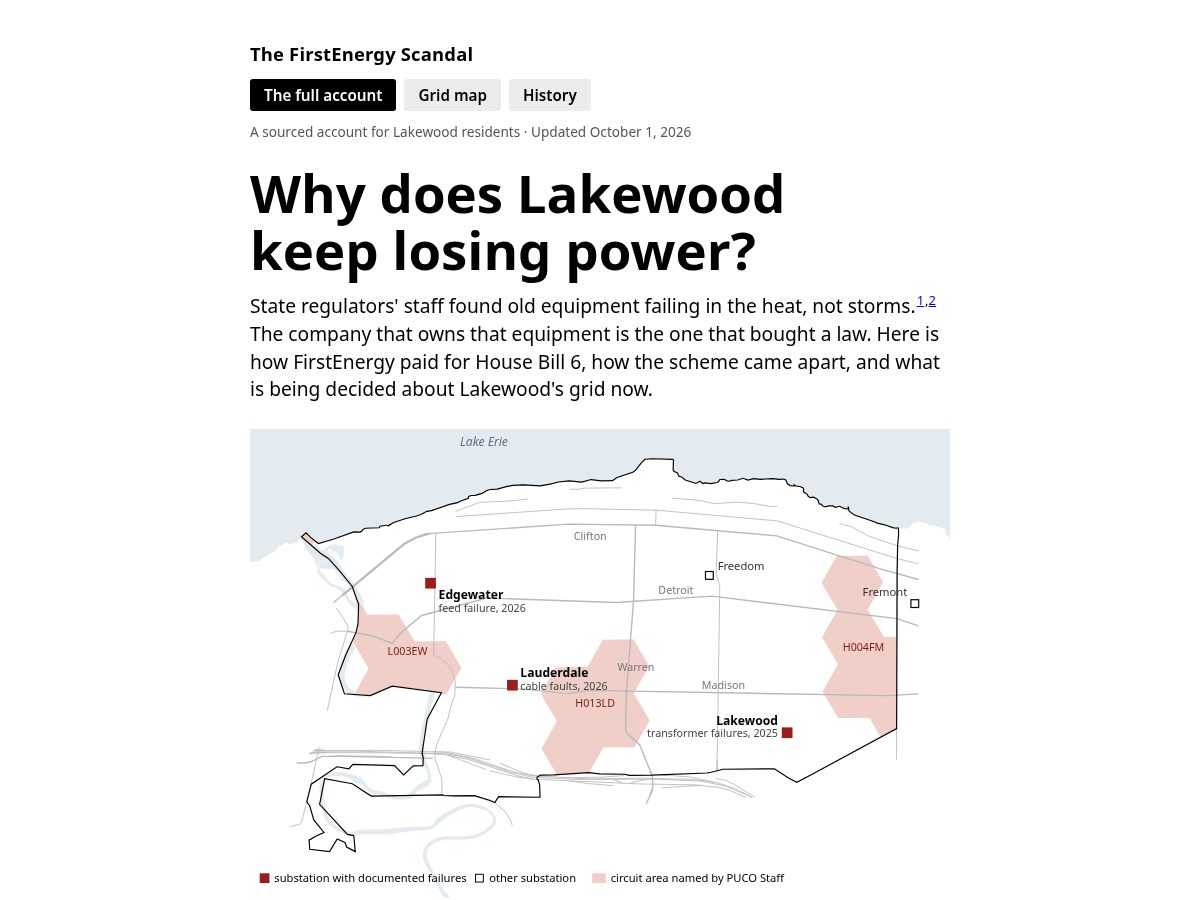
Card 3An extensively sourced account of the House Bill 6 bribery scheme, Lakewood’s recurring outages, and the utility decisions now before Ohio regulators.
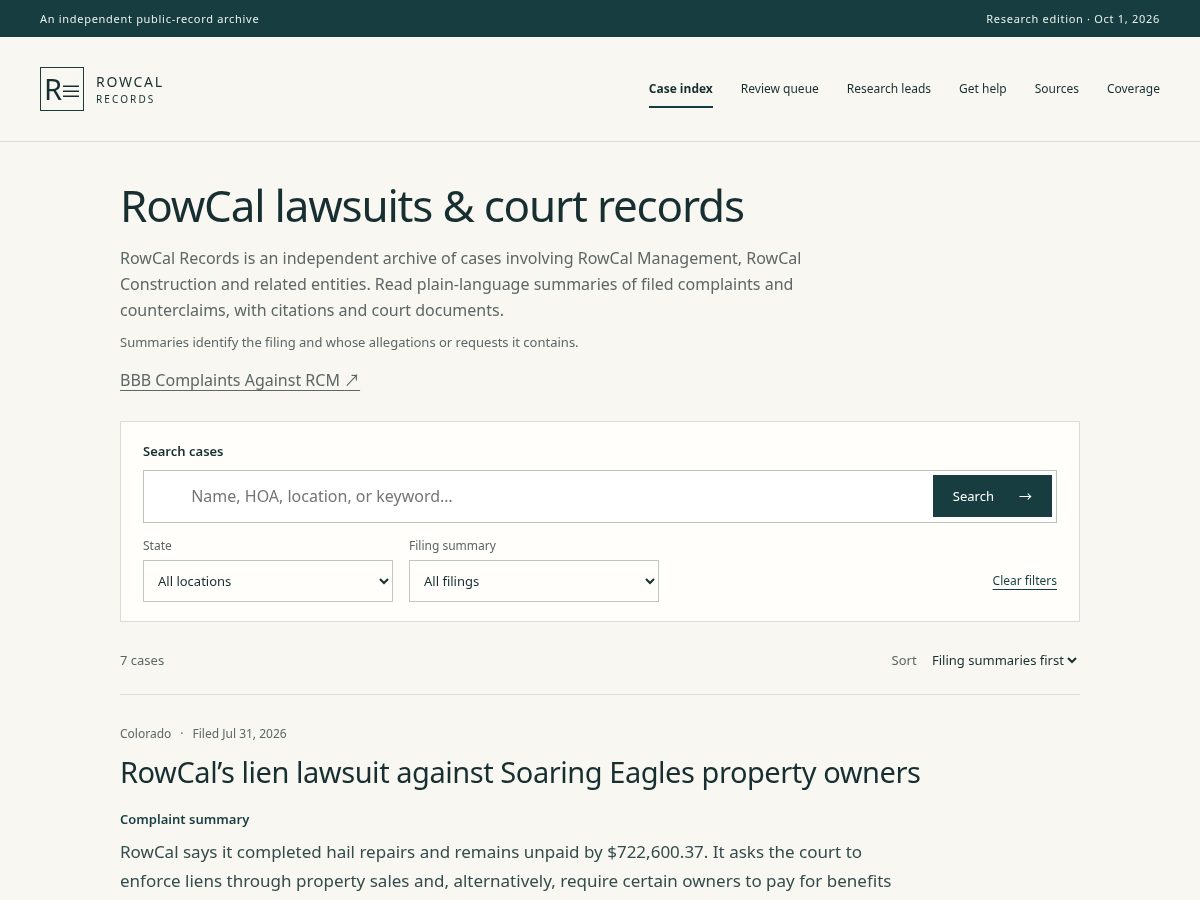
Card 4An independent archive organizing lawsuits and court filings involving RowCal Management, RowCal Construction, and related entities.
Card 5A maritime observatory tracking verified piracy incidents, crew and vessel status, response mechanisms, and regional risk outlooks, with current coverage focused on Somalia and the Gulf of Aden.
Pattern 02
History, science, and even city streets become easier to understand when the visitor can turn a rotor, explore a room, or take the tram.
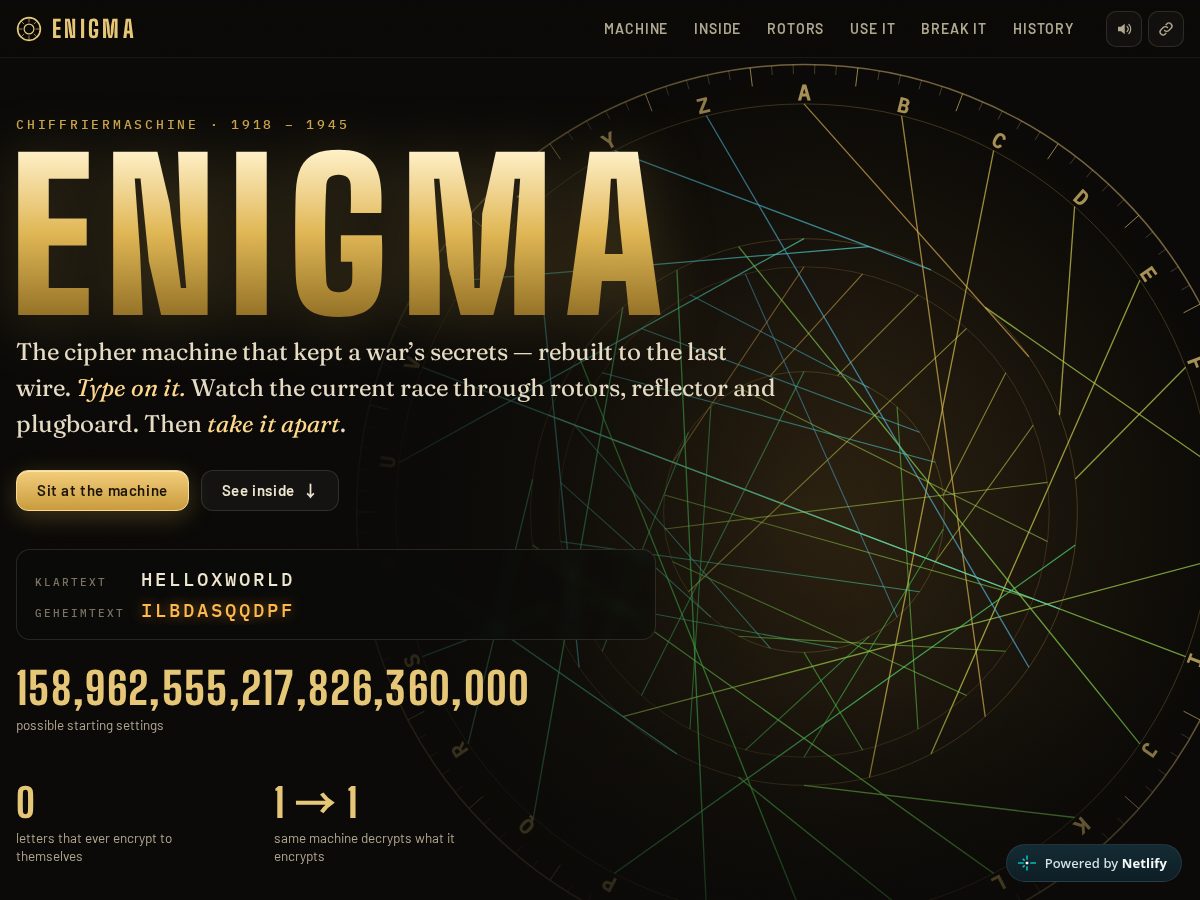
An interactive Enigma simulator pairs a typeable machine with explanations of rotor stepping, plugboard wiring, and WWII message procedure.
Card 2Free classroom lessons let students stimulate and silence neurons in a fruit fly’s connectome and see what changes.
Card 3An interactive exhibition turns four paintings about water into navigable 360° rooms.
Card 4A playable Prague street simulator lets you explore on foot, drive, take the tram or funicular, and even fly.
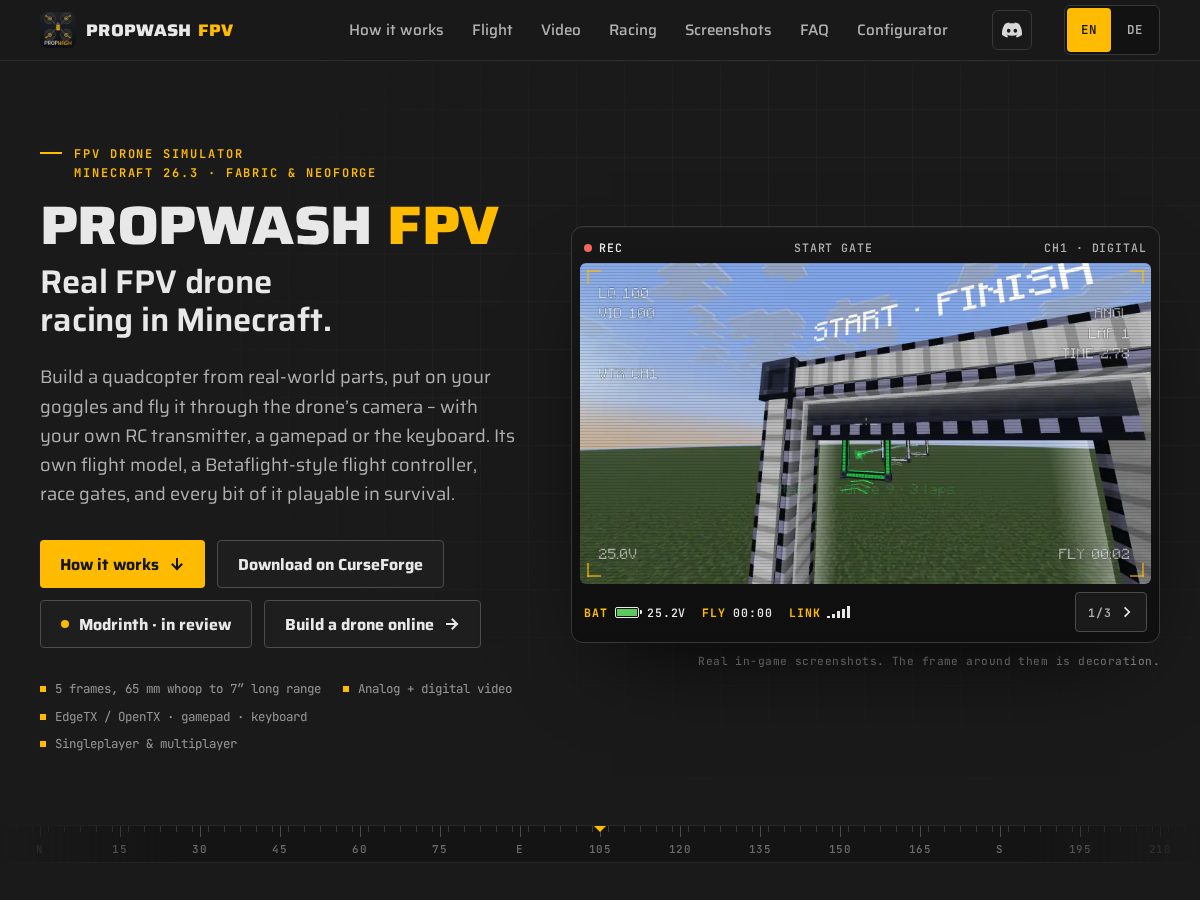
Card 5A Minecraft mod lets players assemble quadcopters from real-world parts and fly or race them using an RC transmitter, gamepad, or keyboard.
Pattern 03
These services address the practical gap between needing help and finding it: where to go, what to expect, and what to check before setting out.
A Japanese finder for pharmacies listed as able to sell emergency contraception, searchable by area, station, and opening hours.
Card 2A free, no-account finder points people in the United States toward crisis support and ongoing mental-health care nearby.
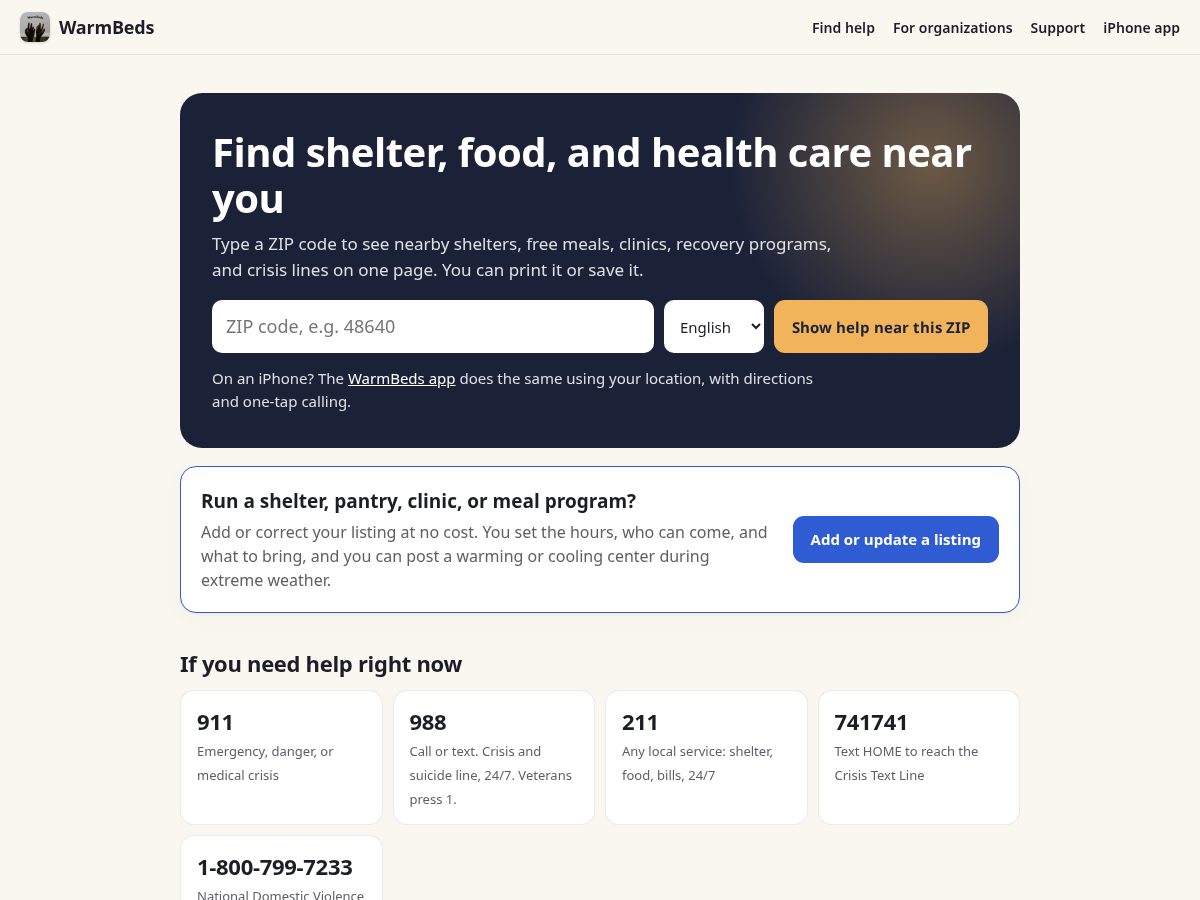
Card 3WarmBeds presents a ZIP-code directory of nearby shelters, free meals, clinics, recovery programs, and crisis lines, plus printable help sheets for outreach.
Card 4An independent NA meeting finder pairs practical search filters with guidance for people approaching a first meeting.
Card 5A searchable directory of speech therapy practices, pediatric occupational therapists, and rehabilitation clinics, organized by city and built from federal provider records.
Pattern 04
Satirical and invented worlds feel more convincing when they come with calendars, reports, calculators, and other familiar paperwork.
A satirical school-parent-organization site, complete with mock local news, fundraising events, a calendar, and a Lost & Found.
Card 2A fictional football club’s satirical site, with mock news, fixtures, and a calculator that turns a chosen payment into an eightfold declared sponsorship.
Card 3An in-world municipal website for a one-to-four-player co-op game about a small-town public-works crew.
Card 4A fictional alien civic portal lets Terran visitors browse restricted services, bureaucratic notices, and targeted interstellar ads.
Card 5A fictional satirical newspaper turns familiar parenting chaos into mock reports, a print edition, and invitations to file incidents.
Pattern 05
From family records to instrument charts, these projects turn specialized or painstakingly gathered knowledge into something other people can search and use.
A free, searchable index of Jewish family records, with entries linked to the original archival images.
Card 2An in-browser archive for configuring Porsche 911s by model year, using factory options and period prices from 1965 to 2024.
Card 3A searchable collection of Lebanese laws, decrees, court rulings, and other legal material, with Arabic and French search and article-level citations.
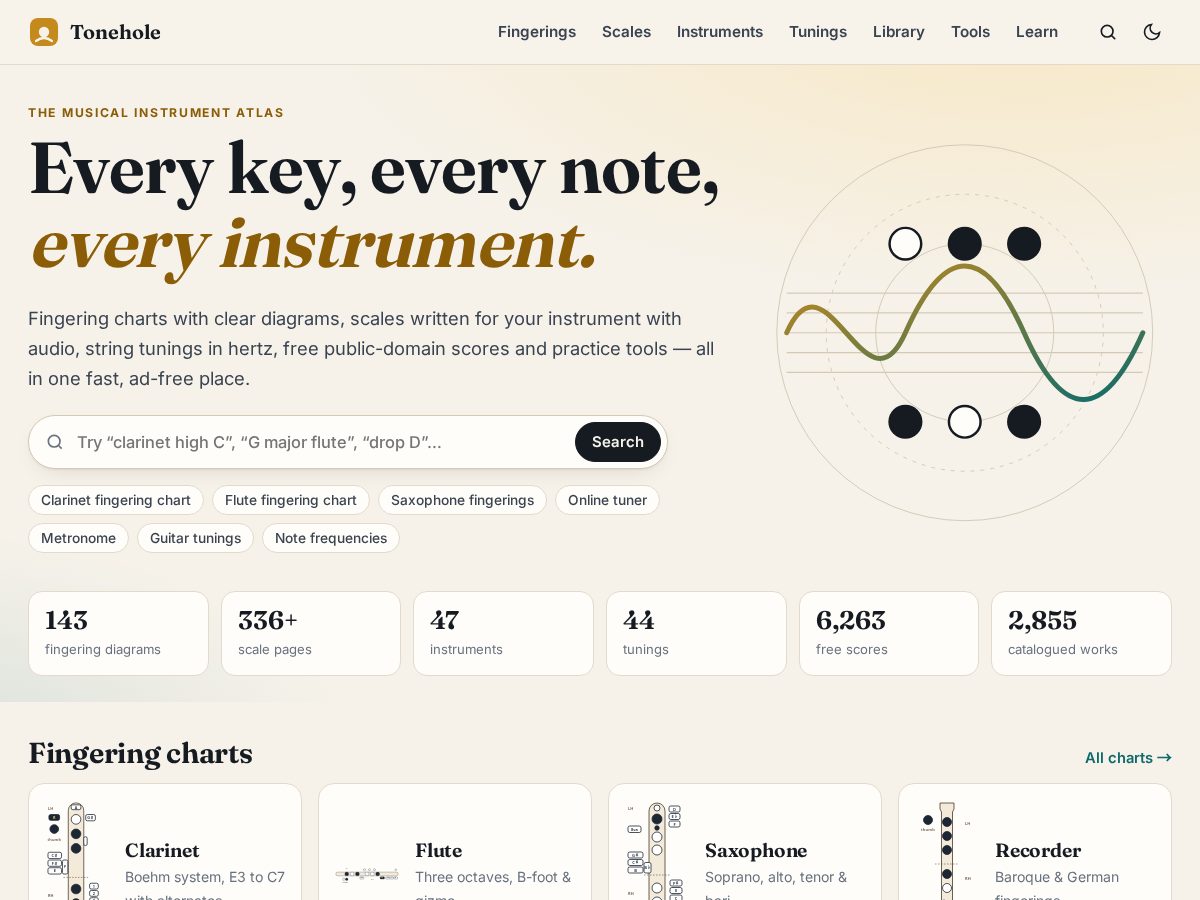
Card 4Tonehole brings together instrument fingering charts, transposed scales, tunings, public-domain scores, and practice tools.
Card 5An interactive archive and documented dataset of horse memes, collected by hand and machine.
04
The complete card catalogue
The leading shelf is open. Expand another category, scan its visible pages, then reveal detail where more context is useful.
974 cards visible
The build log goes from tracing wires with a multimeter to giving Murray pink dolphin slippers and a missing-pet backstory. Nathalie, age 9, says she made his character, voice, jokes, wiring, box, and sign; her dad handled the code with an AI helper.
Its controls invite you to switch from walking to driving a tram—or take a fire engine’s water cannon for a spin. The city is built from OpenStreetMap and Prague public-agency data, turning the materials of urban planning into a place to play.
The joke is built into the machinery: move the slider, and the gap appears as “Topped up by A Friend™.” Sham FC also extends the premise into fixtures, club statements, and sponsorship packages, while clearly labeling itself satire and the club fictional.
The site borrows the voice and paperwork of a public agency, then turns the joke into game systems: broken city property comes out of workers’ pay, and a clipboard tracks who caused the damage. Even Gary, a googly-eyed traffic cone, has a lost-and-found report.
Instead of leaving the paintings on a wall, the exhibit places you in scenes inspired by them—from a fishing boat beneath Hokusai’s wave to a dark gallery reflected in still water. Each room adds close-looking notes and historical context.
The joke is in the details: Jimmy’s “vintage decoration” online badge, discontinued age calculator, and Da Bomb-O-Meter pegged at 113.7% turn a birthday wall into a remarkably committed internet time capsule.
The 1874 clipper The Ardent was lost with all hands; every crew member was named Dave, “irrelevant to the loss.”
The rules make a sharp little game out of blind word draws, glue tiles, and the option to spend a point by typing “banana.” It also tracks flips and asks players to rate votes, feeding session data into experiments with the bots’ taste.
It imports the roguelike’s build-and-adapt loop into air hockey, but the page’s most revealing detail is its theory of skill: shots charge through movement, and nine lessons advance only after the player performs the gesture. The game is also described as browser-playable, with deterministic replays reconstructed from a few kilobytes of inputs.
The forecast calls scope creep at 70%, then backs the joke with METAR-style reports and a 14-day commit chart. The page tracks 13 active systems, each with its own project update.
Its bureaucratic deadpan turns tiny details into worldbuilding: Earth has “ZERO ELIGIBLE SATELLITES,” atmospheric complaints are “SELF-SERVICE,” and repeated archive enquiries may restart a 14–86-rotation wait.
It dresses workplace automation anxiety in mock legal assurances: a progress bar says work is happening “somewhere,” and the politeness slider runs from “Brutal” to “Insufferably Sincere.”
The stories and drawings come from Slava, age seven; his father assembled them into a 15-chapter game. The site says it has no ads or in-app purchases, and lets visitors read the comics online.
Its game list includes bookkeeping Tetris, a Dutch merchant simulator surviving winter and plague, and a snake game that warns you not to bite your own butt. The arcade wears its fake system requirements—“DirectX: possibly; RAM: yes; Sound: unfortunately”—like a mission statement.
The imagined machine comes with commands, corrupted records, and three unexplained destinations, while the album itself offers 14 audio files and 49:50 of listening without an account. The world-building gives a real music release the feel of an unfolding transmission.
Lamp oil is both your clock and your field of view: every step burns it, while turning does not. The site pairs that pressure with a hand-marked automap, party formations, and tunnels that may be growing through the walls.
The work is both practical and oddly tender: salvage copper, craft a tester, set backups, and document repairs for care credits. Meanwhile, Donna’s 400 tabs are “load-bearing,” and the mystery device Gary remains online.
It turns a scene from the Vietnamese folk tale Tấm Cám into a hands-on sorting game, complete with chalk lines, a lamp, and piles of up to 50,000 grains. The quiet premise is wonderfully specific—and the game explains its rules and leaderboard plainly.
The premise is gloriously literal: run and jetpack across a page’s actual text and images, then wreck the arena. The site details 12 heroes, 84 weapons, and an X button that puts the page back.
The game makes its small scale part of the machinery: battles fit into a forty-pixel strip, while a larger world holds 19 zones, 1,349 items and a goose with its own battle gauge. The page explains the combat clearly and writes about it with a light, confident touch.
The page treats its 27 objects like collectible specimens, but removes the usual loot-box machinery: it says there are no odds, payments, or fake rarity. Pair two finds and the workshop produces a recipe for their impossible properties.
Its leaderboard ranks non-achievers “with complete seriousness,” while the FAQ admits there are no criteria whatsoever. The app itself may arrive “maybe soon”; for now, the joke is the product.
The scale is unusually specific: the site describes more than 1,200 Earth provinces, roughly 60 other bodies in the Solar System, and systems for laws, corruption, diplomacy, and terraforming. Its key design distinction is that the neural network interprets orders, while the game says it calculates the outcomes.
The site offers a 2%-of-assets, 20%-of-gains fee structure, then says losses are entirely the client’s and that refund instructions are unavailable. It labels itself a just-for-fun project, making the buttons for wiring money and requesting a refund part of the gag rather than a pitch to take at face value.
A slash can grow from 一 to 刀 to 山, while collected radicals combine into new abilities—and new musical voices. Its solo developer also spells out where AI assisted the work and where it did not.
Fatescroll recasts a traditional birth-chart reading as serialized, personalized entertainment. Its careful notes on Ipchun and true solar time sit alongside the playful premise—a useful glimpse of how old systems of meaning get repackaged for the web.
Set at coordinates in Shanghai, the station pairs a reincarnation-counter story with Destiny Soup, Whack-a-Jerk, and Merge My Boss. Its copy has a knowing voice—and a bowl of soup suspicious enough to deserve its own sign.
The course runs from the Abbey’s bell banner to Stella Maris chapel, with a stop at the “Secret Beach.” Its terrain draws on a USGS lidar survey, with buildings and paths from OpenStreetMap.
The opponent hamsters adapt to your results, while three classes set both their difficulty and your score multiplier. The page is refreshingly explicit: standings mean points and places, not prizes.
The league gives players three runs per game against the arcade’s own penguins, with standings that reset at midnight UTC. The site is explicit about the stakes: points and places, no prizes.
The page pairs political satire with a tiny, phone-conscious game: it says the whole thing is under 0.3 MB and can open offline after a first visit. Pidgin, accessibility controls, and a cracked-phone-friendly button option give the pitch some texture beyond the usual brawl.
The story files its strange events under “Field, fence, man,” then leaves the case technically open. Its calm, official-sounding details make the absurdity land.
The site turns football-finance scrutiny into a playable bit of accountancy theatre: “Buy low, deny everything,” then face a fictional commission. Its joke is unusually specific, and the page clearly separates the made-up verdicts from the real-world case it references.
The table has to guess the prompt before the timer runs out, so every omitted detail is a small wager. The site also has a daily Halloween drawing prompt for October.
The page builds its premise from five named Havana areas, blackouts and street-level hustles. It also gives players different starting odds: the mipyme owner starts with $450, while the “cubano de a pie” starts with $50 and may earn nothing some days.
The game sets its domino table inside a furnished Spanish tavern, down to the bar, background noise and regulars with distinct reactions. Its build log traces the project from prototype to multiplayer, and says language models were used throughout.
The 300-word request treats consent as a sequence, not a checkbox: be honest about whether the original person or a copy would continue, ask again at the end, and let anyone leave. It is an unusually careful set of terms for an extraordinary premise.
Bites arrive on real time: a cast can take minutes or hours, and fishing changes with the time of day. The catch tables record species, weight, angler, and time; the page says 22 species remain uncaught.
You shine red light on four descending neurons; the fly’s own circuits handle feeding, escape, and courtship. The science note clearly separates literature-based pathways from weights and behaviors tuned for the game—and says the preview does not connect to a network.
Everyone gets the same house; the labels grow less reliable as the week goes on. Interrupt a home-office call or leave the freezer off twice, and the puzzle charges you a trip.
The silly destination is backed by a real puzzle: today’s ICED-to-POOP route takes eight steps, and the page reveals hints one at a time before showing the solution.
The site sells the setting through unusually concrete details: eleven survivor backgrounds, a city that redraws itself between runs, and infected that hunt by sound. Its 86-second opening film is described as rendered in code like the game itself.
The page turns a small piece of plastic into a plan for a louder section, with cues fans can learn and pass down a row. It recounts a 2014 game where a box of kazoos made its way through one section, and asks visitors what they can bring.
The game’s pitch has sharp consequences: when your ship is destroyed, you wake in a clone, but the ship and its cargo stay behind. Its four civilizations come with distinct histories, ship doctrines, and visual identities.
The game makes city details part of the play loop: passenger stops, a go-slow, route stamps, and 97.3 Ojuelegba FM. It turns a commute-shaped setting into something more specific than a generic car race.
The Institute of Joeverlap tallies 18 glowing notices and no detractors, then invites visitors to compare the performance with the moon landing, Hamlet, or “your last takeaway.” Its claim to authority is the joke: “The Institute does not deal in nuance.”
Its city runs on a clear little clock: actions spend points that recover over time, while players can restore memories and collect a separate archive of neighborhood records. The interface gives this playtest unusually concrete rules and places to explore.
Blue and magenta rubber bands assign the figures to opposing sides; books, boxes, and cushions become terrain. The phone helps run the battle, but players still move the actual toys.
Its central rule doubles as a sharp gameplay hook: a meal teaches the virus, while cooking meat or taking too long to search a corpse can give raiders away. The site builds that premise into a shared hub, risky raids, and a set of rules with a welcome streak of gallows humor.
The recipient presses and holds a glowing orb until the luck lands, then keeps a one-of-a-kind luck sign and hears the sender’s words. The site is careful to add: “No guarantees from the universe.”
The game sends a Gossip Blob after your validators, then pauses every second wave for an Optimum quiz. Its creator says the game numbers are for fun, but the coded-shard rule is real.
There are no hints or suggested answers—and the game won’t write your deductions for you. You mark findings, connect them on a board, reconstruct the evening, then submit your own case report.
The lab makes the uncertainty part of the game: one researcher’s instruction is accepted every four hours, and results may show no change. The site also clearly says this is an AI-based creative experiment, not a real biological one.
The best gag is also the disclosure: the token panel says there’s “no utility” and “no roadmap to the moon.” It’s an unusually committed old-web bit—and a crypto specimen worth approaching with eyebrows raised.
The flagship Von Studies is “mainly” concerned with law and order, with the rest “disclosed on arrival.” The deadpan campus-brochure treatment reads like a committed prank, though the page never confirms that it is satire.
The project makes an album playable: the page says players can create, save, and share remixes without musical training. Its credits name a musician, media artist, programmer, and production team.
The games pair a 16-player fight against rogue .exe files with a card game where birds bend the rules and interrupt anyone’s turn. It’s a small studio making a case for skipping the launcher and getting straight to play.
The host chooses games from a phone, and medals across rounds decide who wins the night. The page names Werewolf, Chess, Emoji Movies and Bingo, and invites players to suggest what should join the lineup.
Its Tracks keep layouts, enemies, and timings fixed, so the pitch makes the player the only variable. Co-op, PvP, and a player-facing Track editor give this speedrunning premise more shape than a simple race against the clock.
The page says each puzzle is solver-checked to leave exactly one answer. Today’s edition has six named suspects and two culprits to identify.
The premise has a clear little arc: harmless interventions push an awareness meter from “CALM” to “HE KNOWS.” Five chambers—among them a room where a red button moves on its own—give the experiment a memorably uncanny shape.
The squid grows as it eats the falling toys, then resets; game mode turns the same idea into a boss fight where you spit toys for points. The site is unusually candid that its charts can be delayed or wrong—and says not to place orders from them.
The pitch gives its shrimp distinct strategic identities—witches deceive, cowboys control tempo, and Spartans hold the line. It also lays out a playtest invitation and a planned one-time QR reward system, while explicitly ruling out loot boxes and random cash prizes.
The design brief is wonderfully concrete: wigs fall off, shoes don’t fit, and accessories stay on through “sheer determination.” The page says the product isn’t for sale yet; this is a public build and an early list.
The map has the texture of a small, fully named town: Pinecone Bakery, Hollow Chapel, Iron Canal Gym, and a Volunteer Fire House all have places in it. The page invites visitors to watch its residents or bring an islander of their own.
The club can’t decide whether it’s a running pack with a drinking problem or the reverse, and its run reports promise “Alibis sold separately.” Newcomers are told, “We’ll be gentle”—a welcoming invitation with just the right hint of mischief.
The city’s transit updates include “gulls seated,” “fish boarding,” and “empty lap”—a tiny, sharply observed joke that gives this cat-themed feed a sense of place.
Every player gets one clue and three tries per lock; winning can send rivals a shorter solving window, a dead gauge, or even an extra flooded lock. The site says it’s in playtesting and not yet available to install.
Real-estate valuation becomes pub-quiz material here, alongside games themed around fairways, wickets, tries, and circuits. A shared five-round challenge link gives friends a way to compare guesses even when they’re not playing at the same time.
After checkout, the site says parents get a call link right away; a child taps Call and hands over the phone. The characters have distinct voices and quirks, though the parent testimonials still appear as literal “QUOTE 1” placeholders.
PALAVA takes its name from the Liberian palava hut, described here as a roof-without-walls place to talk things through, and imagines building one around a skateboard. Its calendar sketches that out with skate sessions, a first-timer clinic and a free coffee cruise; the house itself is still in the making.
Its sample puts two early-stopped factor XI trials side by side: one with an unfavorable stroke result, the other with a reported bleeding reduction. Each finding points to a cited record, while the report labels its own analysis separately—a useful demonstration of the difference between a registry status and what the underlying record says.
This is a property listing with the attention of an architecture feature: it traces the house’s history and gives space to its light, materials, and landscape. Even the guest wing’s Sicilian wood-fired oven gets a mention.
The site describes a flight model, Betaflight-style controller, and survival-mode play—not just a drone-shaped vehicle. Its build interface is said to show weight, thrust-to-weight, speed, and flight time, and flag incompatible parts.
The course is built around decisions you can picture: pick a line, time the swing, then account for how the ball rolls. Guest play works in the browser, while a first completed daily round locks in the ranked result.
Everhence treats the browser as a home for a whole survival game, not just a demo. Its page lays out a world with drifting weather, forty underground planes, poisonous mushroom look-alikes, and fires that affect where danger appears.
This turns a household movie night into a miniature event site: guests get arrival and showtime details, a five-film ballot, and parent-facing notes about what’s onscreen. It’s a small, specific example of the internet’s habit of giving even an ordinary family plan its own interface.
The production puts a live performer together with video projection, light and sound, and has played in classrooms, auditoriums and cultural halls. The site also links a qualitative study of school audiences, alongside student and teacher responses.
The maker says they won an original bag and recreated its lettering so others can assemble a replica from a brown lunch sack. The page pairs that hands-on recipe with a compact piece of Arizona TV history.
O.K.E.Y turns the familiar habit of measuring people into the game’s actual mechanism: sort quickly, collect a score, and hear four researchers disagree about what that score means. The page even offers a playable rehearsal of the first level.
The strategy turns architecture into movement: sheep slip through a one-tile gap; wolves cannot. Its field guide spells out nine structures, costs, upgrades and abilities, while a live bot match gives the rules somewhere to go.
The page gets unusually concrete about play: racket angles telegraph shots, every step drains stamina, and air conditioning changes the shuttle’s drift from venue to venue. A browser-based rally exercise lets visitors try the reading-and-returning loop; weekend playtests are listed as open.
Its homepage explains the weather gauge as a tactical mechanism: windward and leeward positions change how guns aim, while players time broadsides to a ship’s roll. The crew-management section makes that specificity concrete, down to reload time changing with the number of hands at the guns.
Each listing is a numbered sheet with subjects, a coverage scale, and a link to the map itself. The nautical notices and the warning “Not to be used for navigation” give this directory a distinctive voice without obscuring what it records.
The instructions get down to the swing: drag back to set power, flick up to hit, and drift sideways to shape the shot. Everyone gets the same daily par 3, par 4, and par 5; groups of up to ten can play together live.
The site says wet steam can erode turbine blades and that three consecutive days in the red bring creditors. It treats engineering detail not as backdrop, but as the main attraction—a very literal take on what “realism” in a management game can mean.
Its world runs from the port of Callao toward Sierra and Selva along a roughly 3.7-kilometre Camino Real. The server is not open yet, and the page clearly marks some features as planned—including the still-unbuilt crossing from the island to the mainland.
The bilingual catalog gives each game a short premise and a “How to play” link. It lists 25 games and says 19 support online play.
The platform runs from reconstructed skin to patient-derived tumours, with disease models for conditions including acne and psoriasis. Its homepage also lists specific assay readouts and regulatory test-guideline references, giving this specialized biotech venture more substance than a generic “future of science” pitch.
The game makes coinage policy its whole playing field: players set alloy, weight and output while the page says the model tracks consequences such as merchant trust and public unrest. Its assay mechanic even asks for a coin’s mass in air and water—a wonderfully literal way to make monetary history hands-on.
The route runs from Ojuelegba to Yaba, with 97.3 Ojuelegba FM on the radio. It gives a familiar city commute the shape of a game.
The scoring gives border accuracy most of the weight, while also measuring overlap, area, and shape. There’s one country per day, plus an Endless mode for anyone who wants more than one round.
Flairbook turns a small, half-hidden interface convention into a multilingual lexicon: the right event-title word can summon a picture. Its catalog lists 86 illustrations and 20,019 trigger keywords.
Each match puts three commanders through eight turns: four to expand their borders, then four to fight. Knowing the answers helps; choosing where to attack and when to spend a joker is the other half of the campaign.
The homepage distinguishes work in progress from future tests: Project AMP is in engineering and prototyping, with field validation planned, while Forkling is listed as open source and in a 365-day experiment. That gives readers a concrete status trail to revisit.
Ten games span golf, darts, archery, basketball, and torpedo interception. Each turns a small action into a five-part challenge, with crisp cues like “Read the moving center” and “Trust the wake.”
It gives two Persian card games their own home, explaining the rules rather than treating them as generic card-game variants. The site says players can fill seats with difficulty-selectable bots or join friends by room code, with separate ELO ratings for each game.
The Xi’an exhibition is listed for October 5–7, 2026, while the posted entry deadline was October 1. The site also distinguishes award recognition from exhibition selection, making the terms more concrete than a standard open call.
The pastoral setup comes with a 1,500-écu debt, eggs that won’t last the night, and a player market where farmers set their own prices. It treats farm life less as an idyll than as a daily logistics problem.
Artists submit without a fee, a curated shortlist goes to members for a vote, and the roster is still blank: the first signing is meant to be chosen by the community.
The site lays out a pier-to-barn workflow, but says the company is still raising funds for its first processing unit. It’s a concrete early-stage climate and agriculture proposal—and one worth revisiting when its pilot claims can be checked.
The site is clear about its boundaries: pilot accounts are invitation-only, sample names are invented, and real activities appear only after login. Its premise is a focused alternative to workplace networking—make a plan for coffee, a hike, or game night.
Each round is a named surf break, and the three daily scores add up to 30. Seven more themed games sit behind Surf Club membership, including company facts drawn from 10-K filings.
The site treats clubs, competitive rules, player records, events, and online play as parts of one Mahjong infrastructure project. It says its software is used in the club’s actual operations—a revealingly hands-on answer to the question of how a hobby becomes a platform.
The page turns FDA enforcement and filing signals into a very specific labor-matching idea: get experienced quality help to a plant before a launch date slips. It also says plainly that there is no deal to point to yet and that it is taking its first three counterparties.
The games are tied together by a shared relic gallery: Rune Slide, Firewall, and Spell Hive each say they earn relics for Vaults. Daily challenges and runs add a recurring reason to return.
Its register gives arrivals a name, request path, enclosure, and obedience status. A masked visitor probing `/.env.txt` gets catalogued alongside ClaudeBot and curl.
It fills in the historical blank left by modern car configurators, down to period option codes and prices. The page’s dry wit is a bonus: it compares asking today’s configurator about a 1987 Carrera to asking “a goldfish about the Suez Crisis.”
Its timing is hands-on: tap each line as the song plays, then mark cut changes with Tab. The page also offers green-screen output and says lyrics and audio stay in the browser.
The page lays out six concrete modules, from a tappable bit grid to configurable 1–64-bit word sizes and carry/overflow flags. Its HP-16C lineage gives this specialist calculator a clear audience—and a point of view.
It indexes 16,633 pharmacies from a Ministry of Health list, with filters for late hours, holidays, and private rooms. The site says device location stays on the device, and advises calling ahead because stock and pharmacist availability can change.
The homepage lays out a whole working music reference desk: 143 fingering diagrams, scales with audio, and a catalogued library it lists at 6,263 free scores. The breadth is unusually concrete, from clarinet alternates to guitar tunings in hertz.
It turns each project’s setup instructions into a four-step path: choose a project, identify its required files, verify your dump, and build a playable folder. The page emphasizes checks rather than pretend green ticks—and says the app never downloads game images.
The Linea Classic example marks every displayed connection unverified and inferred connections as dashed. It reports six parts on the water layer but lists five reached parts—a small discrepancy that makes the tool’s emphasis on checking its sources especially relevant.
The setup is unusually tangible: flash ESP-SDR firmware, plug the board in by USB, then start a roughly 12–15-second scanning cycle. It only listens, and its measured range leaves out familiar signals such as FM radio and GPS.
The site makes a sprawling public record browsable by product, reaction, class and time—and keeps the crucial caveat close: a report is not proof of cause, nor a way to calculate risk. Its homepage lists 352,949 drug reports and 923,529 device reports received in the latest closed quarter shown.
It keeps records on the phone, calculates nutrients from Japan’s Standard Tables of Food Composition, and turns one or two weeks into a clinic-ready PDF or printout. The page is candid about the tradeoff: local-only records need backups, and sharing them across family phones is not available yet.
Amud treats the siddur less like a fixed digital book than a date-aware tool: it uses location and time to decide which additions belong in each service. Its promise of offline use, no account, and no ads is a notably practical answer to putting a deeply time-specific ritual on everyday devices.
The worksheet separates sentence baseline, good-conduct time, FSA eligibility, earning credits, and applying them to prerelease placement, with links to BOP policies and eligibility lists. It labels its results planning estimates, says dates stay in the browser, and recommends comparing a scenario with BOP records and a case manager.
The site turns a slippery travel claim into a measurable comparison: none of the 44 strollers with published folded sizes fit the 22 × 14 × 9-inch Delta sizer. It also cautions that missing the bag sizer does not mean an airline bans the stroller.
It turns a sprawling public dataset into a practical research tool, with species, signs, and monthly counts to explore. The site also makes the essential caveat plain: a report is not proof that a drug caused a sign.
It covers 609 factions, but the useful twist is its evidence boundary: client-listed gains are counted directly, while quests, kills, and repeatable turn-ins are included only when confirmed in-game or in Blizzard footage. Unwritten routes are labeled rather than guessed.
Enter an address, PID, or legal-plan reference; the site says it checks twelve sets of public records and explains what each finding means. Its sample dossiers surface concrete complications—from a nearby road 46 metres away to a placer claim over a lot—and name a source and date for each fact.
Its browsing shelf runs from cruise ships and sanctioned vessels to canals, shipwrecks, port conditions, and sea-distance tools. A US$30–40 receiver setup can contribute local AIS coverage in exchange for Pro access.
It pairs synthesized güira, bongó, and bass grooves with a “name that rhythm” game. The comparisons keep the tempo constant, so the rhythm—not a speed change—is what learners have to hear.
The directory says its 406 kitchen listings come from public health-department lists, with sources and check dates shown. It also turns rules from 25 counties and cities into a practical companion for food businesses figuring out where they must work.
The pitch is unusually concrete: reminders, events and contacts are stored as plain text on the SD card, while installed apps are sandboxed away from books and notes.
Photographer Elisson Andrade built it around a specific bottleneck: sorting thousands of wedding and event shots. A desktop-sized interactive demo shows the keyboard workflow, while the product leaves every keep-or-discard decision to the photographer.
The pitch starts with a free two-week Watch period and an evening WhatsApp report; later steps add a clutch-brake, light curtain, and, for suitable parts, a loader. Its sharpest boundary is that safety comes from “certified safety parts, not software.”
Its default sort puts the lightest cat each model can detect first—a small, consequential spec for anyone considering automation around a kitten.
When ridership changes, the model shows what it could not explain instead of hiding the residual in a convenient answer.
Drawings can be peeled from finished image back through muscles, basic forms, and gesture—a way to study construction, not just the final pose.
Scrap pricing gets a detailed market desk: the site combines steelmaker price changes with Tokyo Steel prices, exchange rates, and other signals in a weighted index. Its truck calculator turns a per-kilogram change into a difference for a 5-, 11-, 15-, or 25-ton load; the page also says its forecasts have not yet been scored against outcomes.
Its source table separates live queries from daily copies, marks data over two days old as stale, and notes that Australian notices have no closing dates in their feed. The site also discloses that some unmatched or empty-result search terms may be retained, while its suggestion-form host logs sender IP and browser details.
The site takes aim at a familiar hardware-vendor silo: it says you can analyze mixed logger files without the manufacturers’ software, with data staying on your computer. Its Fuji example colors where time changes hands in moving 50-meter windows, rather than smearing one mistake across the rest of the lap.
The demo catches a “Patents” input left empty while three downstream places already calculate with it. BetterPRD looks for folded cause-and-effect in specs, not whether an AI wrote them.
The pantry is designed as a rolling picture of recent shopping, not a score for one day: greens fade before oil, and treats get their own drawer. The site explains its grading ingredients, says blank data is never guessed, and names the solo maker behind the app.
A sample morning dashboard breaks out sales by branch and flags overdue customer balances and thin-margin products. The AI assistant is described as proposing changes for approval—not making them on its own.
Its sample brief links each finding back to a page in the source report, and marks missing figures or unverified citations instead of filling gaps with guesses. That’s a grounded approach to a consequential, document-heavy task.
It works in 10 languages and is described as usable offline after the first visit. Its route coverage includes the Palm Monorail, with a useful caveat: the page says the operator listed it as temporarily suspended at the time of its last update.
The 13 listed sheets include official islands and community-made maps, with authors credited. The site says its maps are drawn from the game’s own files, down to building outlines, trees, and contour lines.
The creator says a parent built it for their own children and shaped it with teachers and a speech therapist. The page says it works offline and lets users choose a language for each word, including mixing Malay and English on one screen.
Time becomes the dial’s angle; frequency, its radius. Drop in a track and it draws a Reel-ready video, with measured loudness and peak data in the $10 one-time version.
The homepage lays out a satisfyingly practical workflow: copy the metres from a pattern, subtract yarn already in your stash, then see whole-ball quantities and a UK delivery-inclusive total. It also lists 16 tools, from leftover-yarn estimates to a temperature-blanket planner for 31 UK places.
Its sample workflow catches a steel lot that weighs 0.63% above usual, then shows a job running 5.5% over plan because of heavier steel and extra lathe hours. The copy makes workshop accounting legible one bar at a time.
Its calibration workflow asks you to cut a test strip, measure the fit, and save kerf and clearance settings for that material. It also lays out parts and exports SVG, DXF, or PDF—making the path from design to machine unusually concrete.
The homepage describes a full route from sketch to test lap to downloadable track, including corner-by-corner setup and a passing score based on track geometry. Exports are described with practical details such as an AI racing line and pit lane.
The page keeps the child’s exact words—including made-up words and sideways grammar—and gives parents control over whether a generated game can be opened by the child before an adult reviews it.
Controls technicians can check 4–20 mA and voltage signals against configured engineering ranges, then compare the result with a controller reading. The tool spells out its limits too: out-of-range values are extrapolated, and an in-range result does not prove the device or wiring is healthy.
The page turns system monitoring into a small character with a job: its examples have Goblin spot idle development servers, explain what is using memory, and ask before anything is stopped or deleted. It’s a playful wrapper around unusually specific Mac housekeeping.
Seven questions turn a denial letter’s details into a draft the user can copy or print. The site says it doesn’t ask for names, member IDs, or diagnoses, and answers disappear when the page is closed.
Its transformer limits cross-region attention to regions connected by interconnectors. WEFT says it scores forecasts only when they arrive before the target interval, comparing them with AEMO’s forecast and the price actually set; the homepage notes its live readout isn’t available there right now.
The directory lists 176 forms across 44 Bay Area cities. Before download, the site says it checks for missing answers, dates, text that will not fit, and characters the form cannot print; users still review, sign, and submit the document themselves.
It pairs a narrow coaching problem with a checkable method: each pattern comes with the clips behind its number, and the site says it draws no conclusion from fewer than eight comparable points.
Its permission note names the three Accessibility tasks, and warns that optional local logs can include recent-document names.
It treats the screensaver as a window with a local clock: the page says Bangkok’s rain, dusk, and pollution change the scene, while controls let you freeze conditions or add separate music and ambient sound. It’s a specific take on ambient screens, rooted in real places rather than invented landscapes.
It aims at a concrete jobsite problem: helping crews and clients talk through where vehicles, pedestrians, cones and work zones will go. The site is unusually clear about the limits, calling its plans sketch-accurate rather than survey-accurate and not a substitute for engineered drawings or qualified judgment.
Each rhythm comes with a meter, regional or musical context, stroke pattern, and tempo marking. It’s a focused practice resource that also gives readers a small, well-organized map of the traditions behind the beats.
Its four tools range from a local directory of 76 listed smoking facilities to PDF and spreadsheet work that the site says stays in your browser. An Excel practice exercise even walks through reducing six rows to four.
Its map pipeline converts uploads between PS3, the PC recompilation, and the Rust engine format using GitHub runners. The site says maps are checked against an upload policy and reviewed by a person before publication.
The page lays out a concrete workflow for calls to doctors, pharmacies, insurers, and other offices. Its sample shows the assistant identifying itself, pausing for the caller’s date of birth, and waiting for the person to respond.
The page ties fret-aware notation to audio timing: users can pin beats to a recording, loop a passage at half speed without changing pitch, and hear their transcription against the original. It also emphasizes portable project files rather than an account-bound library.
Drop in an SVG, tune a stroke animation, and watch the exported code update with the preview. The site emphasizes no animation runtime and includes reduced-motion handling in its exports.
The morning list sorts open money by age and tells staff what needs a call or decision. Its stated workflow checks spreadsheet columns before importing records and previews QuickBooks entries before posting.
Its sample motor circuit shows a seal-in rung in action: release Start and the motor keeps running until Stop. The troubleshooting trainer adds a practical plant-floor scenario, with a complaint, panel, machine, and ladder diagram to inspect for a hidden fault.
Files stay in the browser, and a receipt lists what the tool wrote. The site is candid about limits: Instagram and Facebook routinely strip IPTC data, and an opt-out signal is not a lock or guarantee.
Rather than treating lost connectivity as an edge case, the page makes it the central operating test: a sale can be taken and a receipt printed offline, then reconciled exactly once. Its demos trace the money and stock together, down to holding payment when a delivery count doesn’t match the supplier invoice.
The homepage says there are no shop, affiliate links, or paid placements; instead, it foregrounds water chemistry and livestock welfare, including CO₂ ceilings and minimum group sizes. It treats the aquarium less like décor and more like a living system that has to stay in balance.
It handles the easily missed detail that a Hebrew date begins the evening before, and flags Adar cases for confirmation with a rabbi. The printable card is designed with synagogue offices in mind.
The birth-chart tool preserves alternate results when a birth hour is uncertain. Its I Ching guide spells out the rules—and declines to force one interpretation when several lines change.
Its grammar controls go beyond picture selection: users can choose automatic or visual verb conjugation, and adding “Mañana” can change “Yo como” to “Yo comeré mañana.” The page also says boards can be prepared online and then used offline.
The planner names any quick change it cannot eliminate and flags changes again when someone moves a routine. Its sample shows the kind of detail coordinators need to check: one dancer’s routines, their times, and the gap between them.
The site brings everyday financial and administrative chores into one place: it says its local childbirth-support directory covers 222 areas and is refreshed monthly, alongside forms downloadable as PDF, Word, or Hangul files.
The site describes a six-question quiz, a dates-and-mileage calculator, and five draft documents across nine states. It is unusually clear about the limits: the quiz does not decide eligibility, and the site is not a law firm.
Low Poly Earth makes the planet feel less like a map to consult and more like a place to roam: search for a city, fly there, and change the light and weather. Its 231 individually modelled landmarks and 4K image exports give the globe a surprisingly hands-on scale.
The archive connects decades of results to practical ways of exploring them: compare teammates race by race, filter and download statistics as CSV, or test your F1 knowledge with six data-based challenges.
Its matching engine says it connects variations like “ABC Roofing LLC” and “A.B.C. Roofing Inc” to the same business—a useful answer to the question a one-time lookup can miss.
Each alert is presented as a before-and-after diff tied to public EUDAMED data, and the page says a timeout is never treated as a removed certificate. It also states the boundary of authority: if its copy conflicts with the Commission’s register, EUDAMED is right.
Its sample battery slider turns 2,000 Wh into estimated appliance runtimes, and the site says it shows the calculations and sources behind covered equipment. It also traces generator compatibility from outlet to transfer switch—a useful detail when shopping advice has real-world consequences.
Its maker is a practicing agent who says they built it for their own office. The reported 40-second form-filling time comes with a useful caveat: it excludes entering the address and reviewing the records.
The site says its calculators show their formulas and sources, and its planting guidance draws on published extension material. Fence tools can turn a measured or satellite-drawn line into a materials list, making the site unusually traceable as well as practical.
The page draws a useful line: location verification records where a game happened; the planned 200+ clubhouse would leave score approval to alley staff.
It captures frames one at a time at 60 fps and keeps recording on the Mac. The homepage lists a seven-day trial followed by a one-time $7.99 purchase.
It turns arrival order and game results into the next-up queue, with rules for late arrivals, short teams, and players who need to step away. The page also includes an optional beer-round tally, with an opt-out for people who aren’t drinking.
A test square sets the real size; grade points set how each pattern piece moves. The app then prepares separate print-at-home, copy-shop, and projector files.
Its useful unit is the exact drop: Atomix is listed for 15:00 on the first, while DiverXO opens 90 days ahead at midnight; the page says each rule has a source.
The float-plan details go straight into the alert: route, boat, people aboard, and last position. The page says overdue checks run on its server, so an alert can still go out if the boater’s phone dies or loses signal.
The demo traces a bag through timestamped actions and a unique label code, with quarantine for failed exams. Processing blood components is still marked as coming later.
Its 16-question “situation check” is meant to filter advice by circumstances, not age alone, and the site pairs the guide with ordered checklists for moments like layoffs, unpaid wages, scams, and bereavement.
Its 2026 calendar connects 19 national holidays and four key labor dates to relevant calculators. The premise is practical and quietly cultural: making a payslip legible enough for workers to check the numbers.
MarchBase’s homepage reports 200 programs, nine competitions, and 111 results recorded so far. It also makes its Texas coverage limit explicit: Greater Houston is mapped, but the database does not yet include every Texas program.
It connects the daily calendar to a concrete social ritual: looking up 1,910 Greek and English names, then knowing whom to call. The page also lays out fast-day guidance, saint biographies and contact matching described as staying on your phone.
The page makes provenance part of the product: quotations are labeled verified or not, while examiner-cited passages are explicitly not presented as checked against the underlying reference. Its rule is simple and useful: “It reads the record. The reply stays yours.”
The working preview gives the app a concrete daily rhythm: five photos, then fresh film tomorrow. The page says pictures stay inside Piku unless a grown-up chooses to save or share them, while noting that device backups may include Piku’s files.
The page exposes the math behind its recommendations, down to a sample conversion from parts per million to cups of a specific chlorine strength. It also describes a history of tests and treatments, with CSV export available on every plan.
Its sharpest move is making pool-size claims answer to cable length or battery runtime—and putting the arithmetic beside the product.
The sample adds six croissants for a farmers-market Saturday, subtracts two cakes already in the case, and leaves sourdough off the day’s bake.
The page describes turning a payment SMS into a categorized entry for the user to approve, and says records made offline sync when service returns. It also brings personal budgets and a shop till into one app, while keeping the accounts separate.
The homepage gives visitors a no-sign-in demo of a fictional response team’s rota, including an uncovered night shift they can try filling. It describes cover requests that escalate to eligible members and update the shared rota when someone accepts.
Rather than treating a successful backup job as proof, Restow says it reads samples back through the restore path and compares them byte for byte. The page also offers a live demo, GitHub quickstart, visible pricing, and identifies 2 October 2026 as its first public release.
The identifier weighs field clues across 66 rocks and look-alikes, then offers reasons and a next test. The meteorite checker makes room for false positives: most magnetic rocks are still Earth rocks.
It pairs course and pacing tools with unusually clear limits: the 2027 finish is announced, but its roughly 91 km route is still unconfirmed, so the guide uses a 2025 trace as its baseline.
A draggable comparison line lets you test the effect on a photo, while games and explainers range from bee ultraviolet vision to a rattlesnake’s heat pits. The site says your photo stays on your phone.
The site gets unusually concrete about the work: home and industrial machines use different stitch limits, densities, and thread-cutting settings. It also shows sample designs with stitch counts and color counts, tying the software’s promises to the fabric-bound output it aims to produce.
After rating cases from “never seen it” to “instant, no thought,” the trainer selects weak spots; timed attempts can override the self-assessment. Full solves split cross, F2L, OLL and PLL, making the practice loop unusually concrete.
ABEMID measures care complexity; NEAD addresses eligibility and home-care planning. The site says users can complete either form and generate its official-format PDF without signing up.
It treats folders named CD1 and CD2 as one release, and previews changes before writing anything. Even audio-hash mismatches stop the job.
The page gives the toll a humane limit: a wrong answer still counts as practice, and after three misses it shows the answers and lets you in after 60 seconds. It’s a thoughtful twist on the app-blocker bargain, offered as a free beta for iOS 26.5 or later.
Organizers can start with the hotel's PDF floor plan and an Excel guest list; guests scan a QR code to find their table while ushers check arrivals on a tablet. The workflow is unusually grounded in the actual mechanics of running an event door.
The board offers 9×9 and 13×13 settings, difficulty levels, and undo and pass controls; a separate link points to play against real people. The learning menu divides the game into focused tracks, from beginner mistakes to life-and-death problems.
Its useful twist is methodological: unverified details stay “unknown” rather than being guessed. Outlet coverage is explicit, with 82 cafés confirmed by sources and 134 not yet checked.
Its 0–100 reading combines weighted measures of news velocity, lab activity, community attention, and topic spikes. The site also tests how the score changes under different weighting and source choices—and spells out where its data falls short.
Assistus is built for teams of up to 10, with a clear rule: the app can suggest a plan, but the person managing the team decides whether schedules, swaps, and leave requests are approved. Assistants and payroll staff have defined roles, too.
The page takes a familiar, often invisible family chore and gives it a concrete workflow: photograph the letter, get a plain-language explanation, then assign and track the follow-up. Its sample pension notice becomes three checkable steps, including a mairie stamp and a deadline.
AxisPlot treats spreadsheet friction as part of the product: it explains how it reads messy rows, recognizes several delimiters, and says uploaded files stay in your browser. The result is a practical little counterpoint to the assumption that every useful web tool needs an account and a trip to the cloud.
Its proposed week runs from costing a batch on Monday to taking orders Wednesday, preparing ingredient labels Friday and setting up a Saturday stall board. The page names practical constraints—including consent-based texting and 203 dpi thermal printers—and invites early users to a 100-spot founders waitlist.
Its rule is unusually clear: Stop silences one ring, but feeding ends the alarm; the page also describes a no-drag alternative and says missed mornings carry no penalty. The App Store release is still marked “Coming soon,” so this is a carefully specified preview, not evidence of a live app.
The page makes bedtime audio unusually concrete: parents choose the queue, review it, and press Start, with no feed or surprise autoplay. Presets include eight-hour rain and brown-noise sessions, with listed volume ceilings.
The demo lets you click a word for a definition or replay a sentence with a key, while following transcripts in five languages. The page says lookups work offline and lists support for 28 languages across major streaming platforms.
The page lays out a concrete routine: compare every queue entry, flag changes, then tailor the findings to six business profiles. Its sample feed follows specific project changes—including a Vulcan project revised from 320 to 400 MW—and says direct confirmations are labeled with their source and date.
Its alternate picker lays out eight sealed programmes, showing only sport and era before you choose.
It treats the broker’s consequential question—what did you know when you booked?—as an archival problem, not an automation pitch. Each re-check becomes a separate snapshot; the site is unusually candid that its hash only signals a record hasn’t changed, not that the carrier was good or that the file is legal advice.
The calculators connect measurements to quantities someone can act on: enter pool dimensions or test-kit readings and get results in units such as gallons, pounds, bags or ounces. The site says each calculator shows its math, down to a pool-volume example that can be checked with a pencil.
CalcVisual treats calculation as something to inspect, not just a number to receive: its homepage promises charts and share links, and says each formula is checked against two published sources. The mix of tank loads, battery banks and supply-and-demand diagrams makes for an unusually broad workbench.
Its language menu ranges from Hindi, Gujarati, and Urdu to Chinese and Japanese, with script-specific typing help. The page also offers effects, greeting-card backgrounds, festival prompts, and designs saved on the user's device.
The page maps the stream across five stops, from the streamer’s computer to the viewers’ feed, and says it checks them every second on-device. It’s a focused troubleshooting tool for a specific audience, with no account required.
Casoni turns room measurements into whole-box, adhesive, grout, and trim quantities, then schedules quote reminders for days two, five, and ten. Its pitch is unusually concrete: tile-retail arithmetic, branch stock, and follow-up work are connected in one workflow.
It makes a useful distinction: a No. 8 skillet listed for $14.95–$188 is not the same as one actually selling. The guide says it uses 90 days of completed sales and waits for five sales before showing a value.
Its workflow connects each result to a source document, then offers the EU buyer a summary through a link that requires no login. A free simulator compares estimated certificate costs using default values and verified data.
The alert vocabulary is unusually specific: it distinguishes a pursuit, a 10-minute standoff, a low-and-fast police flight, and a news helicopter’s estimated arrival. The page says its flight data comes from public ADS-B receivers.
The workflow starts with a text export copied from the game, then uses those levels to track what remains, check for rushed upgrades, and plan builders. The homepage also lists focused calculators for heroes, pets, walls, ores, farming, and the 6th builder.
The page gives the utility a concrete overnight job and spells out its safety limits: it checks battery and heat every ten seconds, then says normal sleep returns if the limit is reached or the app stops running.
Its answer to the classroom-AI dilemma is concrete: names, pronouns, levels, and edits stay on the device, while teachers review each draft and add the details only they know.
It handles the details a generic invoice form often skips: selectable sales-tax treatment by line type, markup, deposits, previous payments, and retainage. The page also explains its rounding rules, including why $10.005 becomes $10.01.
The page reports 2,568 open jobs across 16,617 agencies, and connects bonus figures to their department sources. That makes its recruiting data more checkable than a bare list of vacancies.
The calm is engineered for failure: a stray clicker press over an image returns to the slide instead of skipping ahead. If a projector is unplugged, its output waits rather than covering the laptop.
The setup asks players to perform a piece once and mark its page turns; CueFlip says it can then follow the route they actually play, including repeats and D.S. jumps. It also says the score and recordings stay on-device.
The described workflow runs from storyboard cards to scene-by-scene animation and editing on a timeline that follows the track. It’s a specific attempt to give coding agents a role in making motion graphics while leaving the directing and hands-on edits to the user.
The setup asks about birth history and worst-case travel time to hospital, folding practical context into a tool for a tense, specific moment. It also clearly says it is not a medical device or a substitute for a midwife.
Live performance often relies on separate machines and operators for different departments; CueStudio’s answer is one control surface for the whole show. Its concrete safety feature is a second Mac that mirrors edits and playhead position, with a one-click takeover.
Instead of asking players to watch a screen mid-throw, DartSonic turns movement into sound: the page describes up to four sensor positions, video slow motion, and feedback linked to where a dart lands. It’s a remarkably specific approach to improving a throwing routine.
The sample pairs a passage with its source, voice, timestamp and context, then offers a way back to the audio. Access is invitation-only, making this a thoughtful product glimpse rather than an open archive.
Its sample day runs from a morning check-in to a dentist appointment moved by phone. For a streaming-trial cancellation, the page says it signs into Chrome without seeing the saved password—and gives “What it won’t do” its own section.
Its central promise is unusually concrete: turn a band’s audio into a starting mix in about 30 seconds. A dedicated headphone solo bus lets an operator check a channel without sending that solo to the room or broadcast.
The two models turn project uncertainty into a figure readers can test with their own numbers. One estimates a project’s value when you choose the delivery date; the other calculates a bid for work due by someone else’s deadline.
The page names SENIAT, BCV, SUDEBAN, and Gaceta Oficial as sources, and offers dated USD/EUR rate history with a CSV download. The extract does not independently verify the data, but it makes the site’s intended source trail visible.
It pairs a read of public DNS records with a one-time test address that checks what actually happened when an email was sent. The page says it reads authentication headers, discards the message body, and keeps results for 30 days—useful details for a tool handling real mail.
Type a list of steps and Epicdraw says it will lay out a diagram, decisions included. The site also promises offline use without an account, giving this practical tool a refreshingly self-contained shape.
Its family-tree canvas is described as allowing secret relationships, multiple parents, and time loops; its calendar editor lets creators invent months and seasons. Those are unusually concrete answers to what “worldbuilding” can involve.
Its pilot documents a real fit trap: Culligan says its new ZeroWater Technology cartridge does not fit older ZeroWater pitchers and dispensers. Each record also distinguishes manufacturer-reported claims from evidence eligible for a public recommendation—and the site is candid that the data is a limited snapshot, not a live feed.
This fan project presents a playful way into a substantial archive: it lists 2,812 issues and 770 series, from 1968 onward, and also lets visitors search by series or mangaka.
Its workflows are built around the details of a station: firefighters can answer a dispatch from their phones, while a station display reads the alert aloud. Changes to monthly scores are logged with who made them and when.
The site says its listings draw on two official public-record sources and include licence status, class, expiry, and any board discipline on record. Its plain-English distinction between statewide CPC licences and locally limited RP registrations could help a homeowner ask a better question before signing.
It addresses the practical snag of legacy Hindi text showing up as strings like “Hkkjr,” and explains what it can’t do: convert Word, Excel, or PDF files, or handle Chanakya and other old fonts. The page says text stays in the browser.
The on-page keypad can solve a right triangle from stored measurements and step through stair or jack calculations. Its answers use jobsite-friendly units, and the site labels them estimates that need verification before building.
The homepage puts a denominator beside the headline: it estimates that 1,804 of 29,637 indie paid launches cleared $100,000. A linked Method page offers a trail toward how the tracker defines a hit.
The Gran Tonghini promises to spot the tariff without asking for a phone number or selling an offer. The site even nudges readers to send the check to their parents, who may be more likely to get confusing calls and visits.
Instead of rebroadcasting a show, it coordinates the players people already use—from YouTube to HBO Max—and pauses the room when someone buffers. A six-character room code is its answer to the small logistics of watching together at a distance.
The interactive demo lets you turn the on-screen ring, press to pause, and double-press to switch screens. The page is unusually clear about what works app-free and what depends on a companion app and supported OBD adapter.
BaseCount’s sample turns deductions into replayable moments and a specific drill to try next. It also foregrounds consent for young athletes and says it does not publish rankings of children.
The browser preview turns “ami” into “আমি” and shows candidate choices; the downloadable app is listed for arm64 Macs running macOS 13 or later.
The plan covers practical handoffs—from the birth team to the pet sitter—and each recipient must opt in before receiving texts. LaborDay also distinguishes a confirmed delivery from a message it cannot confirm, rather than promising certainty.
Its two-pass confirmation is meant to suppress noise. The page shows dated catches from several public agencies and explicitly stops short of interpreting rules or giving compliance advice.
The workflow is unusually specific: review the dates it extracts before anything reaches a slide, then update the plan later without losing your manual edits. It lists 32 diagram types, from critical paths to RACI charts.
Point a phone at a shelf, crate, or pile and Spinely says it will outline each spine and put the finds in order. Its value estimates come with an important caveat: they use current eBay listings, while sold listings are available to check.
The workflow is unusually concrete: records wait on the guard’s phone with the server’s rejection reason and retry count attached. The site also spells out a consequential limit: unsynced records can be lost if that phone is wiped or lost.
Its cross-stitch calculator turns stitch count and fabric choice into a cut size, needle suggestion, strand count, and estimated skein range. The site also plainly distinguishes exact sizing from recommendations and estimates.
It makes everyday noise measurable without pretending a built-in microphone is a certified instrument: the page explains accuracy limits and says audio is processed in the browser, not uploaded. A useful example of the web turning a general-purpose device into a tool—with caveats intact.
It covers 3,544 hunts and estimates chances at a hunter’s point level, while spelling out that these states use different bonus- and preference-point rules. Wyoming’s split system applies to nonresidents; resident draws are random.
Link sires and dams once, and later pedigrees can fill from those records. Hutchline also calculates inbreeding from repeated ancestors—and clearly labels its output a breeder’s pedigree, not registration papers.
The site is built around an information gap: it says live toll rates appear on roadside signs, even though prices can change every five minutes. Its maps and calculators make the choices along this particular commute easier to inspect.
IFCOK processes files on the user’s device rather than uploading model contents. It also spells out its boundaries: uncompressed IFC2X3 and IFC4 files only, up to 64 MiB and 500,000 entities, with no editing or model merging.
Rather than stopping at a risk score, Iris says findings name their sources or link to transactions. The board also has tools for marking a case with tags, colors, frames, and notes.
The pitch is unusually concrete: captions should flow while the speaker is still talking, not arrive as a record of what was just said. The page lays out volunteer setup, rehearsal, per-minute pricing, and even how sermon documents and transcripts are handled.
It turns 1,841 “is there” questions into a browsable index; the homepage says 110 things have been checked so far, with entries carrying check dates. The useful distinction is not just what exists, but what comes with a catch.
It turns race results and broadcast callouts into a record organized around individual drivers—a kind of career archive for a sport whose coverage is scattered across events and series. The page reports 58,448 racers and 58,448 indexed moments, though another section gives a smaller figure for racers featured in broadcast highlights.
Its focus is unusually concrete: multilingual creators, including Malayalam speakers, can shape mixed-script captions and keep local work on their own machine. The Resolve bridge is presented with a useful caveat: its connection is confirmed on Windows, but full timeline import and caption sync still need end-to-end verification.
Its recommender asks seven questions and explains why each pick fits—or falls short. KeyBench says its prices and specs are estimates, then points readers to retailer and reviewer searches to check the details.
The tool is built for the details collectors keep: blade steel, receipts, maintenance, modifications, and the story behind each piece. Its Snipe browser extension puts estimated sold-comp values beside live auction listings, with a warning that AI identification and estimates can be wrong.
It ranks unusual weekly moves and compares levels with each lake’s 20-year median for this date. The site also makes clear that its readings are not an official warning source.
Its checker clamps fills to a candle’s high-low range, refuses gains the coin never printed, and flags oversized orders. The page gives the tool a quote-tweet-proof job: make the joke, but make the chart add up.
It names the practical enemy—printer drift—and offers a calibration step. The 5160 template also lists more than 53 compatible numbers.
Its proposed chain runs from a worker’s self-claim through production documents and residency checks to market-level reporting—a more concrete answer to “which locals got hired?” than incentive spending alone.
It distinguishes repeated failures from one-off slips, says how it counts hits versus ticks, and can compare an NSRT or MRT raid note with the casts in a log. Private reports are not supported.
Instead of capturing and joining screens by hand, it finds the overlaps in a recording and stitches them on the device. Users can also pick frames manually, adjust repeated interface bars, and save as an image or PDF.
The frame sits over the editing app without blocking clicks, and its scopes update as sliders move. The page also explains how it handles monitor colour profiles and flags HDR readings it considers unreliable.
Its small Rust backend reads telemetry from the sim’s shared memory, while the widgets can be positioned, resized and styled independently. The page also describes layouts that switch between practice, qualifying and races.
Maythorn names the weather station behind its dates, shows how far away it is, and says it does not quietly interpolate between stations. The page also distinguishes the median last frost from a one-in-ten-year late frost—a useful bit of gardening caution, not just another planting calendar.
It targets a very particular paperwork bottleneck: catching mismatches before a submittal goes back for revision. The sample report breaks a rooftop-unit review into deviations, missing information, items to review, and requirements marked compliant—a clear picture of the first-pass work it aims to automate.
Instead of treating a clear forecast as a green light, it checks hourly clouds during the viewing window and whether the core rises above roughly 15° in darkness. It also compares the next seven nights, helping turn an astronomy outing into a more informed plan.
The homepage’s silent demo shows a simple three-number entry and a normal-range result. The site also describes high-reading alerts, reminders, and a doctor-ready report—while making clear the app is not a medical device and is still listed as coming soon.
It pairs the practical business of installing mods with the bigger ambition of running its own ad-free community hub and a mod scripting language. One telling detail: the homepage promotes the Hub but also shows it with zero mods.
It treats a mooring plan as a small engineering model: assemble line components, set wind conditions, and run static or gust-driven simulations. The harbor designer can scale an uploaded aerial image against a known distance; the site notes that its wind-load profile is simplified.
Morphora treats a houseplant collection like a specimen archive: the page describes permanent accession numbers, cutting-to-rooting logs, and an optional “Nerd Mode” for taxonomy and cultivar details. It’s a focused answer to the collector with a spreadsheet backup—and costs $7 a month after a seven-day trial.
The sample report pairs photos by item sticker number—the site’s whole argument in one page. It also promises offline use and a one-time company-wide price, with shipping listed for November 11, 2026.
Press ⌃⌥S to speak text selected in another app. The page says its 82-million-parameter Kokoro model runs through MLX on the Mac, reporting 0.3 seconds to first sound in a comparison measured on an M2 Max.
Its loose-leaf index reports a median of $0.30 per gram across 4,652 in-stock teas from 39 vendors. The figures are clearly labeled as an October 1, 2026 snapshot, not live prices.
NextPass pairs a sky chart with a globe, elevation profile, and exportable pass list; it can also compare up to five satellites. Its visibility estimate has a useful boundary: weather and brightness are not modelled.
Rather than scraping Apple Music’s interface, the plugin reads Windows’ media controls and targets the app’s own audio session. The page also gives a direct install path and a separate build-from-source workflow.
It is built around the moments when a wrong number has a price: comparing job offers, decoding a payslip, or signing for an apartment. The page dates its 2026 figures, names public sources, and flags cases that still need an accountant or lawyer.
Its dictionary lists 473 phrases in 18 categories, with pronunciation audio and slow-playback controls. The maker says he built it as a Hispanic volunteer coach for his own U10 team in Holland, Michigan.
The tool translates between yen per liter and dollars per U.S. gallon, then lets users record confirmed fill-ups and estimate savings. Its notes spell out important limits: compare matching fuel types, and card fees, discounts, and extra travel costs are not included.
Move a lab trip and its replacement approval clears. That small, concrete rule shows how carefully Onvanto treats a scheduling decision that still belongs to a qualified person.
Set the players and match format, then tap points as they happen; the stream overlay follows along. Its scoring options include golden point, advantage, set tiebreaks, and a deciding super-tiebreak.
Pagecut pairs a genuinely handy set of cut options with a clear privacy boundary: it says files stay on your device and are never uploaded. It also spells out the limits—100 MB, 2,000 pages, and no password-protected PDFs—instead of hiding them in fine print.
Paint a piece, watch it wrap around a live 3D model, then export a print-ready sheet. One art pixel equals one millimeter; every shape fits a shared 25 mm grid.
Its feature list reaches beyond markup: PaperSteady says it can permanently redact sensitive text, add Bates numbering and pleading paper, and connect with MerusCase. The site lists a Mac version; Windows is still in progress.
Its distinctive design choice is to keep the agent from drawing: plain-language requests become readable scene operations, while a projector renders the vectors. It offers a concrete answer to a larger AI-design question: what should the model decide, and what should stay deterministic?
The page describes a notebook built around the Apple Pencil: typed Markdown and formulas become erasable ink on the page, while graphs and geometric constructions sit alongside handwritten notes. It also says its handwriting model runs on the iPad itself, and notes that its English handwriting dataset is still being collected.
The page makes a specific promise about record-keeping: each visit is marked queued, synced, or refused with a reason, and a refused capture is kept rather than dropped. That attention to what happens when connectivity fails gives this narrow field tool a clear reason to exist.
Its sample P1S report breaks down 15 changes across two plates, from slowing small perimeters to adjusting elephant-foot compensation. The detailed before-and-after makes this beta tool’s promise unusually easy to inspect.
It turns the small domestic gamble of whether a storage box will fit into a layout problem: shelves snap to peg holes, boxes flag red when they do not fit, and the shopping list totals pack-rounded quantities and prices. It is a telling bit of software for the household errand, while clearly stating it is independent of IKEA.
The sheets are generated as SVGs with millimetre-based geometry, for five paper sizes and printing at different resolutions. It also tells users to print at 100%—because “Fit to page” can distort the measurements.
ProDecked says its tools process files in the browser rather than uploading them, and it traces its classroom tools to a coaching-class teacher’s own MCQ decks. The collection is unusually concrete: it ranges from shuffled test sets to making slide text readable from the back row.
Its fictional glue example shows how a lower package price can still mean a 20.8% higher price per kilo when the package shrinks. Qavelyo applies that unit-price check to the unglamorous, consequential work of keeping a small workshop’s purchasing costs visible.
The useful twist is a degraded-scan check built into the design flow: it can flag weak contrast or an oversized center icon before you download. The site also cautions that passing its software check cannot guarantee every phone will read the code.
Its example keeps a missing material price marked as pending instead of quietly treating it as zero—a small, consequential choice in software meant to carry a job from measurement through fabrication and payment.
It tackles a specific shoebox problem: scanner filenames follow scan order, not the date the picture was taken. Quartz Date flags ambiguous dates for review, lets you undo a batch rename, and keeps processing on your PC unless you enable optional AI help.
Its panel uses shutter speed, aperture, and ISO to estimate exposure across photos shot in the same light, then applies a shared adjustment. Each drag is one undo, and the page also spells out its plug-in and permission requirements.
A phone pairs with a Meshtastic radio, and the radios relay messages and positions without cell service, internet, or the company’s servers. The page explains how stale locations fade on the map—and plainly warns that the system is not an emergency service.
The site gives unusually specific test results: threats had 100% recall in a 16-message sample, but only 53% precision. It also says the sample was reviewed by AI and that human-labelled validation is still in progress.
The page brings together 1,500 official notices, lets readers search by country and product or brand, and links listings back to their official notices. The sample ranges from a recalled baby spinner to milk-allergy warnings and chemical hazards in jewelry.
The homepage maps decisions from ovarian stimulation to day-six hatching, then draws a clear line around the tool’s role: “The model shows the odds. The doctor decides.”
The page puts 22 indicators against a long timeline, from sector emissions to material extraction. Its charts also flag an important limit: values for 2021–2024 are carried forward in the material-extraction series.
The page says its collection contains 160 hand-curated rigs, with sources linked and each rig treated as a snapshot. Users can also submit missing gear for review and credit.
The workflow goes beyond opening a big file: agents can push updates by curl or MCP, then readers can inspect what was added, removed or changed and pin findings for the next person.
Sajel pushes against the familiar meeting-bot model: it says it listens through the Mac, with no extra participant joining the call. Its example notes carry timestamps that let readers jump back to the speaker’s audio—a practical answer to whether meeting notes can be checked against what was actually said.
Enter a distance and ScaleTrip places it alongside 71 references, from human-scale objects to cosmic distances. It also estimates uninterrupted travel time, while explaining how logarithmic spacing keeps the comparisons legible.
The sample score is E. C. Bairstow’s “Blessed City, Heavenly Salem,” credited to the Choral Public Domain Library and identified as a 2011 edition. ScanSing also specifies on-device processing without an account or upload—a clear, bounded workflow for the week between rehearsals.
With a phone sealed inside a housing, the touchscreen is out of reach. ScubaCam builds the dive workflow around the buttons that remain usable, from pre-dive setup and pressure checks to focus control and footage correction.
It turns a dense tenancy task into a date calculator and question-by-question form helper, with options for different rent periods and ways of serving notice. The site says entries stay in the browser, and clearly warns that its worksheet does not replace the official Form 4A.
Its view of 143 matching schools puts K waitlist figures and immersion labels beside results; entering nearby cross streets can add distances and directions.
The example golf-swing report gets unusually concrete: it measures 11 cm of head sway against a stated ideal of 7 cm or less, then pairs the result with a drill. The homepage also lays out the filming and analysis steps rather than leaving the tool’s method vague.
The page gets unusually concrete: formats for 1–12 players per side, five printable documents, offline sideline use, and support for both Apple Watch and Wear OS. It presents a whole coaching workflow, not just a drawing canvas.
Alongside a browser-based safe-zone checker and clip planner, it examines 2,031 ads from Meta and Google’s ad libraries. Its directory lists tools and editing services without ranking them.
Drag across a line and Shotlighter says it snaps the highlight to the text and whole words. The editor also handles blur, markup, and cropping, then copies or saves the result; the site says images stay on your computer.
An agent can request a signature, but it cannot silently apply one: each signing action opens a window showing the document for the user to review and sign. The site also explains how to connect the local MCP server to several AI clients.
The page makes a distinction often hidden in engineering software: its eight methods share one slice formulation but use different equilibrium assumptions. The first release is for Arch Linux; Windows and other Linux versions are listed as coming later.
The homepage reports 183 project and proposal records across 26 countries, while warning that this is neither a complete worldwide inventory nor a count of operating plants.
Stash treats saved links as things to deal with, not just things to collect: it describes tracking what you’ve opened, queuing what’s next, and archiving what’s finished without deleting it. It also says it can surface new videos from followed YouTube channels and watch prices.
A sample bill gives a concrete disagreement: ISO 6346 expects container check digit 8, but the document reads 7. Stavrel flags the failed check instead of treating a confident reading as a correct one.
The file stays in the browser, and the converter reports details such as bounding-box size and triangle count. Its documentation names the formats it has tested—and notes that AP242 is not among them.
The page claims 33,846 buildings across 427 movements, with entries described, sourced, and placed. Its source notes name Wikidata, Wikipedia, Wikimedia Commons, and OpenStreetMap—and specify their respective licenses.
The site says it checks 33 record shops every 30 seconds to two minutes. Its feed preserves useful traces—shop, listing time, price, format, and whether a record is sold out—while offering Telegram alerts and a KakaoTalk collector chat.
SubThai is built around the details of Thai subtitles: its word grouping aims to keep vowels and tone marks together, and the workflow lets users correct timing and style before export. The free trial limits exports to 30 seconds and adds a watermark; the ฿350 lifetime license is listed, though payment is still being prepared.
It connects phrasing to social context, showing variations side by side and underlining what changes. The page credits the Korean Basic Dictionary (NIKL) and discloses that typed sentences are sent to an AI model provider.
SurfaceCast is built around live-show details: separate preview and program views, queued scene changes, recovery copies, and logs. Phone control is available over a local network, but it has no password; the page says it is off by default and not for public Wi-Fi.
The page names its source—survev.wiki.gg—and says the game stats were updated through 29 September 2026. It also explains how it calculates damage, accuracy, range, and reload-aware fight metrics instead of leaving the numbers unexplained.
Rather than listening through the microphone, Sway says it reads system audio, finds the beat, and adjusts the characters’ dancing to the music. The cast includes Jasmine and nine cats, some of whom have things to do when the music stops.
The interface turns a dense set of swing and hitting metrics into filters, player comparisons, charts, and CSV exports. Its research section distinguishes a same-season relationship from a prediction test, then lays out a 2024-to-2025 training set and a one-time 2025-to-2026 test.
Its stocking planner estimates net water volume, bioload, and compatibility; a second tool converts household ammonia or ammonium chloride into a target ppm. The guides include worked examples, and the site says calculator estimates should be checked with water tests.
The useful wrinkle is the escape hatch: Bump calls itself “a commitment device, not a security lock.” You can still delete the app, so it asks for a little friction, not unbreakable enforcement.
Its pre-launch CYA Snapper is specified to tie job photos to GPS quality, coordinates, bearing, timestamps and a work ticket, then export a SHA-256-hashed, tamper-evident PDF. That is a particularly concrete answer to “prove what happened at the dig.”
It goes beyond a simple tax estimate: the page compares invoice-tax options, factors in local health-insurance rates for Tokyo’s 23 wards and designated cities, and calculates the employee salary needed to match the freelancer’s take-home pay.
The page presents an unusually concrete editing tool: choose a phrase, aspect ratio, highlight and blur, then preview and export. It says rendering happens locally; the cut speed is fixed, and the newspaper layouts are decorative rather than historical evidence.
Instead of treating film looks as anonymous filters, the archive ties presets to named stocks, published film data, and before-and-after photo comparisons. Its entries include practical details such as ISO and processing method.
Its 76 park profiles span 22 countries and link to official sources. The examples treat the outing as a whole: one flags parking and the walk to the entrance, alongside planning for Alton Towers’ Ride Access Pass.
Each guest can get a personal invitation link and respond directly on the invitation; guests can also upload photos by scanning a QR code. The page offers both a free self-hosted setup and hosted options, with demo sites to try.
Its design choice is cultural as well as logistical: groups can use names such as Susu, Pardner, Ajo or Tontine—or enter their own term—and carry it through reminders and receipts. The site says the app is still in iPhone testing and that it never holds members’ funds.
Choose a map center, pick a shape or ask for a surprise, and set the ride’s constraints. The page even estimates that a 50 km loop can draw a figure about 13 km across.
The page walks through a Saturday counter shift, from finding a customer and splitting a payment to checking open cash drawers across Hialeah, Westchester, and Tampa. Its receipt and transaction examples are explicitly labeled fictional.
TrueAmps pushes back on the oversized numbers used to sell battery gear: it says peak amps lack a universal testing standard and steers readers toward engine ratings, published specs, and safety listings instead. It also makes its limit explicit: these are checks of published information, not product tests.
The worked example shows the service’s intended value: it flags a blank finish callout, an eight-week hardware lead time, and a mismatch between PDF and STEP revisions, then drafts a buyer reply. The site also draws a clear boundary: it says it never contacts the customer.
Instead of making parents call center after center just to learn the price, TinyTuition lists rates with sources and verification dates. It says 102 of 701 listed centers are verified so far—and gives its mascot a personal backstory: Violet is named for the founder’s 20-month-old daughter.
It treats Twitch chat as a living vernacular: the page reports emote rankings, bursts, and meanings drawn from thousands of chats. The result is part reference book, part real-time snapshot of how a platform’s communities communicate.
Its five paths range from a five-minute sketch to a days-long foundry project; the page says finished work can be downloaded in OTF, TTF, WOFF2, or WOFF. Access is still by invitation.
Choose a city and date, or use your location to find nearby screenings—the site says location is calculated in your browser, not uploaded. It also puts festival listings and sourced box-office figures alongside the showtimes, making this a useful local moviegoing guide rather than a bare schedule.
Instead of facing thousands of individual messages, users can act on a sender’s pile at once. The page emphasizes exact unread counts, review mode, and undo for every change.
The photo report asks users to compare clues like seams, surface texture, and underlayment, then gives a flooring-type guess. It plainly says the result comes from the checklist—not computer vision or AI—which makes this unusually candid for a photo-based tool.
Choose 15, 30, 45, or 60 minutes; the story follows your turns and is designed to end on time—even if you stop early. Its recap separates checkable facts, legends, and invented plot, while the project says it has more than 140 ready-made walks across Türkiye.
It treats shift work as a real design constraint: calculations show inputs, results, and steps, while the guide emphasizes phone use and warns readers to check examples against their own plant data and procedures.
Instead of storing lists on a central server, the site says devices keep their own copies and sync directly when they’re open together. That makes the no-signup convenience come with a clear tradeoff: lists may not sync until shoppers’ devices meet.
At a terminal where a wrong gate can mean a missed bus, the page makes uncertainty legible: departures may be scheduled even when live bus status is unavailable, and unconfirmed gates are labeled rather than guessed. That candor is part of the tool.
Its premise is a quiet counter to headline-driven panic: each verdict is meant to show its assumptions, sources, and what could change the answer. Only three of the nine listed questions are answered so far, so the site’s research-in-progress status is part of the story.
YaCuadra treats a marketplace payout as a case file: not just whether the bank deposit matches, but whether fees, tax paperwork, and transfers do too. Its 42-sale sample flags an above-tariff commission and duplicate freight, making the bookkeeping problem unusually tangible.
The lineup moves from metronomes and ear training to plain-language email diagnostics—a useful, unlikely combination. Its privacy note is unusually specific: it says the mail check doesn’t record the domain entered, while full access logs, including IP addresses, are deleted after seven days.
The homepage describes 345 remembrances and supplications drawn from Hisn al-Muslim, indexed across 135 situations. That structure makes this more than a long text list: readers can look up entries for travel, prayer, illness, distress, and other named moments.
Its capture flow is unusually tangible: photograph the center’s scoreboard, review any frames it flags, then save. The page says games can stay on-device, with cloud backup and cross-device access optional.
Its premise is practical and unusually clear: the handle price is only part of the bill. The catalog also tracks pressure sensors and ADA Seal listings, while explaining how it works out the three-year figure.
CanRun connects a concrete hardware choice to model size, quantization, memory, and estimated tokens per second. It also labels estimates as measured, calibrated, or theoretical—and gives them error bands rather than presenting every number as a sure thing.
The checker covers 195 airlines and gives a yes-or-no result with the exact margin. It also accounts for bags that can be rotated to fit.
Its sample dashboard flags a mattress still billing at $48 a day after a patient’s discharge. ClearLoop says it can connect rental records to discharge data, request pickup, and check invoices against delivery and pickup scans.
It says the State Department blocks automatic requests, so the site reads archived copies instead. Its latest displayed wait-time reading is dated 1 July 2026, with no newer reading available on the page.
The site explains a specific record design: entries are linked by fingerprints, and its browser-based checker is described as reading a record file without uploading it. The app is marked as coming soon to the App Store, so the detailed workflow is a promise to revisit, not a verified working tool.
Critios makes a familiar tabletop exercise legible as a timed decision process: participants answer privately, their choices are revealed together, and consequences shape later turns. The site’s sample ransomware scenario shows the mechanism in detail—and clarifies that its framework mappings do not certify or affiliate it with the named standards bodies.
Its focus is the moment most privacy tools leave vague: what a site does after you click “Reject.” The page describes checking cookies and third-party connections, with a sample panel listing named trackers and “+27 more.”
Its central promise is unusually concrete: change one thing at a time, with the suggested grind adjustment expressed in your grinder’s own steps. The app is still marked “coming soon.”
The page’s example turns a 19-page envelope into nine filed forms in about four seconds. It names its recognition cues, sends unmatched forms to “Needs Review,” and records reviewer initials and time in a CSV log.
A worked closing example shows a ₹300 shortage alongside the manager’s recorded explanation; the site says closing sheets can be exported as PDF or CSV. It turns an ordinary till discrepancy into something an owner can review.
The same QR design can become a two-color 3MF file, an STL, or a digital image, with no account required. The site says files stay in the browser; it also lists a made-to-order print option for ₪59 per item.
The homepage replaces the familiar notebook, spreadsheet, and WhatsApp group with a specific toolkit for synagogue administrators. Its pitch includes a Hebrew-calendar memorial-date calculator, seating maps, and the memorable promise of a price “like one kiddush a month.”
It treats unfinished games as a specific audience, not a failure to finish: the Red Dead Redemption 2 example maps plot stopping points to estimated hours remaining. The site says its recaps use facts confirmed by two independent sources.
Enter one sale and its costs, then compare estimated results across marketplaces using the same inputs. The page says each active estimate links to an official rate source and excludes unverified rates from rankings.
The workflow is unusually legible: assess an individual objective, attach timestamped, integrity-hashed evidence, generate an SSP section, then open a POA&M item for the remaining gap. The page specifies a 180-day tracking window, making compliance feel like a sequence of concrete tasks rather than another vague dashboard pitch.
Its example records a real before-and-after: 195,393 bytes reduced to 53,389, with dimensions and animation timing unchanged. GIFBloom also spells out the tradeoffs, including that palette reduction can damage gradients and may not shrink every file.
Paste clone gene strings or try the beta scan control, then calculate plans across as many as three generations. Its detailed controls make a narrow bit of Rust crop-breeding legwork unusually concrete.
Ground Stasis says it filters cloud-contaminated Copernicus Sentinel-2 observations and compares site activity with a site-specific baseline. It also says its alerts are meant to help lenders decide when to take another look—not replace inspections.
The page describes camera feedback on specific movements, from keeping a hand by your chin to returning to guard. Its guides cite research on noticing danger and leaving early; the app itself is listed as coming soon, so those coaching claims remain untested here.
It turns a video subtitle into a study surface: the page says viewers can tap words for meaning and pronunciation, then save them for review. A no-registration demo and a one-episode-per-day free offer give the tool a concrete way in.
The diary is designed for a few notes after waking, not clock-watching through the night. Its estimate openly assumes each awakening lasts 15 minutes, and entries stay in the browser—useful specifics for a tool about a sensitive, hard-to-measure experience.
The timer follows the real activity: read for 20 minutes, and your character reads alongside you. The homepage offers a playable demo; cloud saving requires an account, and the app-store campaign is still marked as coming soon.
It turns a safety question into a label-matching task: search by product, brand, medicine, or lot, then compare the identifying details with the official notice. The page is careful to say its archive is not a current safety determination—and discloses that USDA FSIS records are not yet included.
It targets a very particular gap: the JK BMS app can export and import settings, but the site says it cannot show or edit them on a computer. The editor says files stay in your browser and only changed values are rewritten.
The workflow is unusually concrete: customers leave the studio while keeping their place, and the page says a phone alert arrives two spots before their turn. It also names its builder, Nishan Budhathoki, and his base in Itahari, Nepal.
Choose a bread-ready time and LoafTime lays out feeding, mixing, and folds around it; its starter forecast gives a temperature-based range rather than false precision. The site’s reminder app is still described as coming to iPhone.
The details are unusually practical: imports are previewed for duplicates before saving, and the site says they can be undone later. LogPit also says records stay on the device. Its App Store and Google Play release is still marked “coming soon,” so this is a developed preview, not a confirmed download.
The page pairs a focused tool with unusually useful setup guidance: remote access is framed around your own VPN, and it explains Pi-hole 6 app passwords and their 2FA limitation. The App Store release is marked “Coming soon.”
The simulator pairs an unusually consequential what-if with historical context, from the Hiroshima bomb to the Tsar Bomba. Its casualty figures are estimates from a simple population-density model, not predictions.
The EUDR checker is framed as five questions, with answers tied to the law and the date it was checked. The site names Rana Mujaddid as its editor and points to a public corrections log.
Pick a launch point and the guide supplies practical details for getting on the water, including route distance and difficulty. It also connects paddle plans to nearby cafés, turning a local map into a more complete outing guide.
Its pitch gets specific: supplier links can open in Messenger without an app or login, and program changes are meant to update those links. The page also outlines offline day-of mode and prices its plans in pesos.
The order of operations is the tell: the page says taxes, fees, and card settlements follow explicit rules, while AI only helps choose among chart-of-account options when the rules and history don’t settle a movement. It also describes checking statement balances and line-by-line continuity—a grounded counterpoint to selling every workflow as an AI problem.
The page lays out the workflow, prices, and refund window plainly—and names the catch behind editable codes: they rely on a server staying up. HelmQR says its codes keep working as long as its service does.
A code on a crushed screenshot or under a sticker can be hard to recover; QR Repair says it will return the exact payload or explain why it could not. The page also describes batch handling for up to 20 images, with CSV export for recovered payloads.
The sample chart makes the promise tangible: fabric quantities round up to the next ⅛ yard, and printed pages carry a 1-inch test square. The site is still taking waitlist signups, so those capabilities are presented rather than verified in use.
It lays out the rolling 180-day rule in plain English, including the easy-to-miss detail that arrival and departure days both count. The free check requires no account; the £9.99 planner adds future-trip checks, a return-date finder and a printable report the site explicitly says is not an official document.
It covers the practical numbers people check before buying or building, and says each tool shows its formula. The VIN section goes well beyond a single decoder, with make-specific tools for vehicles from Ford and Toyota to Tesla and Porsche.
Its six-order Cuke–Banana–Paracetamol example exposes every step, while the page warns that calculated value is not a guaranteed customer offer.
The page connects a large countdown and schedule-drift display with shared cue sheets, nearby offline sync, and OSC output for tools such as QLab and Resolume. Its App Store listing is marked “coming soon,” so this is a detailed preview, not confirmation of a downloadable app.
Its route guides say a blood-draw date can be used to calculate an eligible entry date—a small but consequential detail when a trip depends on quarantine timing. The site also cautions that its self-check is advisory, not the final word of airlines or authorities.
On a phone, it turns the far half of the screen toward the person across the table. On PC, it presents as a microphone, not a bot.
Its car gear-selector demo breaks one object into 16 labeled pieces—and the FAQ distinguishes sourced parts from estimates when no exact match turns up.
It focuses on a useful window for companies bidding on public work: contracts due to end in the next 1–12 months, usually 1–6. Visitors can inspect a free sample without registering; paid plans are listed from €19 a month per sector.
The products answer to details of actual boat work: Atlas tracks rate, pace, and distance per stroke, while dragonboatOS weighs seat balance and paddler preferences. The site also says Atlas was shaped with adaptive and para paddlers, and that organizers will help steer the race tool during its closed beta.
It brings a niche beat into one working dashboard: 48-hour story rankings, a seven-day IP chart, and a release calendar. The homepage says it tracks 96 online sources and groups coverage of the same event.
The pitch replaces labels that can survive a refilled box with a seal designed to register when the box is opened. The homepage also describes scans at each hand-off and flags for seals scanned in two places at once—a concrete attempt to make counterfeit detection a supply-chain habit, not just a sticker check.
It gathers authority status, history, fleet details, and a direct FMCSA record link in one check. State pages list movers across all 50 states.
Instead of asking listeners to sift through whole streams, ASMR Seek offers filters for sounds such as ear cleaning, whispers, tapping and heartbeat, alongside a long, paginated video list.
It’s unusually specific about the work: syringe-draw calculations, injection-site rotation, vial stock, and a doctor-report PDF. The site says records stay on your phone, and draws a clear line between free protocol tracking and a one-time $24 licence for additional features.
The example uses a fictional two-year cemetery-maintenance contract to make its assumptions inspectable, then tests what happens if labour takes 20% longer. The page is careful to say the example is not a forecast—and that purchases of the tool are not yet open.
It ties each item to its receipt or appraisal, serial number, and photo, then offers a printable summary. The catch is explicit: entries stay in the browser, so its own advice to keep a copy off-site matters.
InForm turns a movement clip into something to inspect: slow it down, track a point or joint, mark an angle, then sync it beside another take. Its maker says the app grew from their own work as a dancer, lifter, climber, and teacher.
Its sample flags pest control in three of a restaurant’s last four inspections, then turns a date-marking citation into a crew check.
Its payment guide is grounded in the practical details of Swiss accounts: which stores accept TWINT, where PayPal stops working, and where spending limits apply. The site also says it lists 28 events around Switzerland.
Draw a parcel and the site says it can stack flood, wetland, soil, road and utility information against that boundary. Map tools are free worldwide; U.S. reports add property layers, with a free first-parcel preview and shareable PDF output.
Its 139 listings can be filtered by weekend, child-friendly, free, event type, and county, with schedules, venues, admission notes, and links to official pages.
The pitch is unusually well aimed at the owner bidding after hours: the page walks through a sample plan takeoff and says pricing can come from the shop’s supplier list. It also names its limits, focusing on shops with 1–25 people rather than commercial estimating teams.
Freight quoting hides a small but consequential distinction: a 20% margin and a 20% markup produce different prices, and QUAY spells out both. Its tight scope—air, express and LCL, but not full-container freight—makes this a specific piece of business plumbing rather than a generic calculator.
Rondata’s planned analysis has a thoughtful coaching constraint: the instructor, not an imposed score, chooses the reference execution. The detailed landing page describes slow-motion replay, frame-by-frame review, and progress comparisons, though the app is not presented as released yet.
Group rides are planned for the smallest tank, and endurance options include receipt-aware mileage planning and a 48-state run. The app says it is still in testing, so features and prices may change.
Sales problems are often diagnosed by instinct; this page makes the case for checking the numbers and ruling out what isn’t broken. Its sample report shows the reasoning behind a prioritized answer, rather than asking readers to take a score on faith.
The homepage says each answer comes with its formula and code reference—a small but meaningful counterpoint to the black-box calculator. Its catalog also wanders into distinctly practical territory, from anchor scope and propeller slip to filament costs and miniature-scale resizing.
It converts portfolio holdings using the exchange rate from the day each was bought, and can send price, market-move, and portfolio alerts as macOS notifications.
The app says a configurable job-site radius starts the clock only after two location readings confirm arrival; it calculates trips without keeping a movement trail. Automatically generated entries go to a review list, so the GPS suggestion is not the final word.
Droppoint calculates distance and bearing from manually entered game coordinates, then leaves the actual aiming to the player. Its elevation feature only works with user-tested values—and refuses to estimate beyond the calibrated range.
ChemClock turns regulatory news into a more operational question: how much time is left? Its examples include California’s PFAS pesticide disclosure law and a Mexican comment window for hazardous-material vehicle rules; the public board is marked beta, with dates said to be checked against official sources.
The problem finder asks five questions and ranks likely causes as you answer, then walks through safe checks and shows a cost range if a professional is needed. Its emergency guidance also gives direct instructions for gas smells, sparks, and burst pipes.
It tackles one familiar clipboard nuisance with a clear, one-time price: $1.99. The site also spells out a consequential tradeoff: links inside formatted text lose their addresses, while standalone URLs and file links are kept.
FullPT is built around a specific gym-floor workflow: say a set aloud and the app records it, even without a signal. The site says it costs $30 once, with no account or cloud sync required for client data.
Its standout choice is to leave unknowns visibly unknown. The site also offers a read-only demo, a downloadable vendor registry, and no-sign-up checks for areas including NIS2, DORA, and the EU AI Act.
The page describes a useful, tightly scoped sideline workflow: draw a play, then let players open it on their phones without accounts or downloads. Its library names formations including 6-0, 5-1 and 3-2-1; goalkeeping material is marked “Soon.”
SafeClip describes replacing matched secrets in copied shell commands with local references before they reach an agent. For supported documents, it creates a redacted copy and leaves the original unchanged.
ArtBind pairs collection tracking with artist discovery: follow an illustration to an artist’s other cards, then make room for them in a binder.
The site breaks a complicated route into trackable requirements, including how time abroad affects the count and how each of Switzerland’s 26 cantons checks local knowledge. The app itself is still marked as coming soon, but the free rules and practice material make the project worth keeping an eye on.
BoardCanvas names templates for boards from Donek, Prior, and Japan’s Offshore Snow Shapes, then connects UV-template editing to a 3D preview. The basic editor is described as free; AI image generation and higher-resolution exports use paid credits.
Its matrix spans named reaches from the Gauley to the Kennebec, showing flow readings and verdicts such as Low or Normal; some rows candidly show “Insufficient data.”
It turns commercial culture into a browsable reference: the homepage reports 627 ads, 373 performers, 215 companies, and 45 CM songs. A handy index for remembering the face, tune, or brand behind an ad.
Its worked example turns a $284.99 listing into a $323.99 total after shipping, while a $309.99 delivered offer comes out ahead. The site focuses on the costs that can make a checkout cart—and a bargain—look different from the sticker price.
Its example treats finding a rest stop as a live probability problem, combining driver reports, official occupancy data and arrival forecasts. The page is unusually attentive to the constraints of truck drivers’ work, while noting that its recommendations are not guaranteed spaces.
The formulation controls distinguish OROS’s pump window from biphasic CR’s delayed pulse or plateau, while the page repeatedly warns that the deterministic model is not for medical decisions.
The site lists five tests and says its calculated values are compared with a partner laboratory’s spreadsheets. It also labels its example curves illustrative and leaves responsibility for measurements and report signatures with the user—a useful account of what the beta does, and does not, claim.
Its requirements-first workflow processes images in your browser and verifies the result before download. It also spells out a useful limit: some combinations of file size, dimensions, and format may not be achievable.
It is built for a specific workshop routine, down to metric and imperial measurements and millers’ own wood rates. The page also spells out the tradeoff: records stay on the phone, with no cloud sync or automatic backup.
It treats public records as a changing data layer, not a static directory: the site says records retain source links and retrieval dates, with changes tracked over time. Its visible coverage spans 36 states, though full record details require sign-in.
It adapts the workflow to Algerian classroom conventions: grades out of 20, Arabic and French, and student matching by matricule rather than name. The closed test is still under review, so the site describes a tool not yet generally available.
PickVend describes a Wolt workflow where live stock is checked, orders are accepted automatically, and couriers unlock the machine with the order number. Its posted price is €10 per machine per month plus €1 per order.
The homepage describes hidden forecasts, supplier-quote review with Claude, and verdicts based on measured results at 30 and 90 days. Its sample 2026 ledger is explicitly a simulation for a fictional workflow-automation company—not verified spending data.
The guide moves from choosing resin and setting up a ventilated workspace to demolding and finishing. Its charts are described as drawing on maker data sheets; its gear picks, more candidly, are based on Amazon listings rather than hands-on tests.
The workflow has a clear handoff: phones pair over Bluetooth with TerraSense radios, messages and positions hop between radios, and data syncs when a gateway or phone regains internet. That is a concrete answer to a real field constraint.
Pick Discord under 10 MB, email under 20, or set a cap yourself; FitClip says compression stays in the browser. It aims below the limit, and long or complex videos may need another pass.
It turns the familiar “what was that thing on TV?” moment into a product trail: listings include the program and air date, a reference price, and whether a sales page was confirmed.
The page lays out a concrete sequence: map a pivot, import or enter its sprinkler design, plan collector rows, and record field readings. It says the workflow can compare measured results with expected depth and flag weak sections.
It connects jar measurements and fragrance loads to per-candle costs, then turns saved recipes into a pour-day shopping list. Recipes stay in the browser, with CSV export and import for backup.
Its sample Christchurch–Tokyo itinerary includes two Visit Japan Web forms and two New Zealand return declarations; the latter opens 24 hours before travel.
The page walks through a concrete transaction—“Ramesh ne 500 diye cash mein”—and says it separates the customer, amount, and payment method before updating the ledger. It’s bookkeeping shaped around how a shopkeeper might already speak.
The described workflow links extracted figures to their source pages, checks claims against tables and publisher score bands, and flags mismatches rather than silently fixing them. That emphasis on traceability is a meaningful detail for reports that professionals review and sign.
In its demo inventory, one team needs two Child 10 costumes but has only one; CaliHub flags the shortage. The club tool also connects that practical bookkeeping to results and exchanges shared across clubs.
Its stated rule is to publish nothing when sales evidence disagrees, rather than fill the gap with a guess. That careful promise sits alongside eye-catching reported sales—including a $780,000 listing—so the data is worth inspecting with a skeptical eye.
Its example setups range from connecting a VCR to a smart TV to using a Nintendo Switch with a tube TV. Connector-shape matching and calculators for speaker wire and USB-C video add useful paths beyond the main prompt.
It turns contractor recommendations, camera findings, recurring backups, and home-purchase concerns into questions to ask before authorizing work. The site is explicit that it does not diagnose the sewer or recommend contractors.
The workflow makes a clear provenance promise: it arranges the original photos but says it won’t generate watch parts, remove wear, or invent angles. The launch is partial, with saving and exporting currently requiring a ChatGPT account.
Its key safeguard is built into the pitch: farmers resolve ambiguities and approve each order before anything is prepared, while buyer messages stay in the session and nothing is sent automatically. Email forwarding is not connected yet.
The workflow is unusually concrete: on-device receipt recognition, trip logging, and CSV or PDF exports, without an account. The page also clearly limits its role: it is a record-keeping tool, not tax advice.
The instructions are unusually concrete: film from the side, about 20 feet away, and check the app’s release and glove marks. It also spells out the hardware cutoff—iPhone 8 or later, not iPhone 7 and earlier.
Staff scan a tag with any phone, record OK or Problem, and can attach a photo when something is wrong. The page also describes printable tags, PDF building logs, and a clear boundary: annual maintenance still requires a certified technician.
The tracker turns a narrowly bounded collecting project into a working checklist: browse by emperor, metal, or curated set, then sign in to save ownership and coin photos. Public sharing requires email verification, and the page openly labels itself a pilot.
In its displayed 40-meter example, the planner warns that the listed 12-liter cylinder has 232 bar available against a calculated 449 bar reserve requirement. It also flags gas density above its stated limit—useful checks to see, not a substitute for validated dive planning.
Its controls include kerf, trim margin, grain lock and rotation policy. The feature list even gives leftover panels their own rack, ready to be used before opening fresh stock.
The bridge is designed to work even at BIOS and recovery screens: the phone sends encrypted Bluetooth input to the board, which appears to the computer as USB HID. The setup page walks through flashing your own supported board, though app download links are marked as coming soon.
As robots move into working fleets, keeping them running becomes its own service problem. Retic Labs presents remote diagnosis as a way to avoid some technician trips, and shows a calculator for estimating the savings; its performance figures are claims made on the site.
The page describes a day-by-day ripeness model for 120 produce items, with temperature and ethylene exposure as adjustable inputs. It also outlines storage-conflict flags and practical prep tools—a specific attempt to make “keep in a cool dark place” advice more actionable.
It follows the live running order and offers phone alerts before a specific fight starts—even on silent, the site says. A small, sharply focused fix for the familiar problem of staying up for the bout you care about.
The workflow is unusually specific: it checks linked KuteTailor prices nightly and drafts quotes, replies, and posts for the tailor to approve before anything goes out.
The dashboard reports a preliminary Niño 3.4 reading of +3.3°C on October 1, which it says exceeds its cited daily record, and distinguishes that reading from the slower three-month ONI. Its record and forecast claims deserve source-level checking; the page links NOAA/CPC material and names its data sources and method.
The process starts with a five-minute check and a free conversation, then turns sales, costs, rota, and cash into priorities. For multi-site businesses, the site says owners can compare each location with the whole business—and frames possible gains as ranges, not promises.
The homepage’s example run follows a signup through an inbox OTP and a Stripe test card, then records the steps with screenshots, video and logs.
The pitch goes beyond a finished-deck picture: the site says one model produces framing views, material takeoffs, true-length cut plans and modeled hardware counts. DeckBuilder Pro is listed at $39 a month; StairPro at a $250 initial charge plus $39 a month.
The workflow starts with a photo or PDF of the unit roster, then has nurses confirm their own row. Its proposed swap chain runs from colleague acceptance to charge-nurse approval, with each step timestamped.
The page is unusually specific about field workflows, from scanning BACnet/IP and MS/TP networks to decoding errors and exporting reports. It also says installers and a precise version are still forthcoming, so this is a promising tool to recheck—not yet a verified download.
It puts a practical question before the application: paste a job link, choose your country, and get a reading that the site says is grounded in evidence from the posting.
Enter an address, choose a job type, and let the AI trace a surface boundary that you can adjust. The site also cautions that aerial imagery has limits and says critical measurements should be verified on site.
The page combines three practical language workflows, including two named Nepali voices and MP3 downloads. Its limits are explicit: speech requests cap at 500 characters, while transcription allows 10 minutes per day per network and 90 seconds per recording.
The method starts with what the stitch looks like on the fabric’s reverse, then moves through checks from simple to delicate. Each card is said to flag when it’s time to stop and call a technician.
It tackles a specific headache for people making logos with ChatGPT, Gemini, or Canva: the printer wants vector files and CMYK, not just a PNG. The page explains the deliverables clearly, though package access is still opening in small batches.
Sleever promises to account for shipping and estimated fees, then label listings BUY, GOOD DEAL, or NEAR DEAL. It’s a sharply focused collector tool, with a clear warning that thin sales evidence can make estimates less reliable.
Short-form video has made the opening hook a tiny production of its own. This tool focuses on one repeatable visual trick, with controls for pacing, format, and motion—and says rendering happens locally unless the browser needs a temporary background-generation fallback.
The pitch joins slip search and waitlists with dock-office work like agreements, billing, and paperwork. Its directory says marina listings come from public sources and aren’t affiliated unless they say so.
Its strongest design choice is restraint: each market gets a fixed-vocabulary state, an extract date and a source, and the page insists that a notification is not an approval. The actual lookup is marked “opens soon,” so this is a promising tool rather than a verified working one.
The page pitches a game economy as something to instrument: its arbitrage calculator says it subtracts taxes, order fees, and mount capacity, and shows a sample Fort Sterling–Caerleon route. The site also says it is still under development, so the promised live intelligence comes with a visible caveat.
The site says its tools address problems that come up between patients. Desktop products use offline licence keys, and activation does not require an internet connection afterward.
The workflow targets a very particular workshop bottleneck: setting neon dimensions, adding wire holes, and preparing STL files for printing. The page says it can reduce an hour of manual modeling to a minute; that performance claim is not independently verified here.
It takes on a specific operational tangle: renewals, claims updates, and statutory disclosures spread across core-system scripts, spreadsheets, and messaging vendors. The homepage says each notice gets an auditable delivery record.
It turns the familiar “spreadsheets and group texts” problem into a sharply defined software category. The page says estimates remain drafts for operator review, while its “onboard in priority order” note suggests the service may still be getting off the ground.
The proposed workflow tackles a specific up-country buying problem: split an order across suppliers, then collect one consolidated parcel. The page labels its offers as demo data and says no supplier provided the listed prices, so treat it as a prototype rather than a live marketplace.
Its recovery logic waits for several independent signs of apogee, then releases the payload before firing the rocket’s main parachute 1.5 seconds later. An interactive simulation can also switch to a barometer-failure scenario, where a backup timer takes over.
The project reports all 27 campaign levels playable, but requires players to supply their own Hungarian v2.33 game ISO. It also brings a stray, unreleased map called Kiskína into the remake; the site is candid that pixel-level parity with the original has not yet been verified.
The page describes more than a toolpath animation: it models drives, spindle behavior, cutting forces, collisions and material removal. Twinwright says its twin has passed 245 automated checks, and that 15 example parts run to completion.
The page offers nine browser-playable examples and a turn-by-turn transcript of Nightcoast’s creation. Its central constraint is unusually legible: the AI writes schema-checked JSON, not engine code, and each change is meant to pass bot simulations, rendered-frame checks, and a browser boot.
toomux is built around the specific friction of juggling many coding-agent sessions: it can hand work to a fresh session before context fills up, and let a “voyage” continue toward a defined check or spending limit. The page includes a detailed account of the builder’s own workflow rather than just a feature list.
The paper puts a pressure point in AI evaluation under the microscope: more detailed feedback helps developers diagnose models, but also gives them more chances to tune against the test. It reports that a false leaderboard winner can emerge in as few as two submissions.
agentwhy turns an easy-to-miss file access into a visible event: it shows what was opened and offers a way to respond. The site says it works with Claude Code and Codex, and that nothing leaves your computer.
The project says it has 265 quests running on Daggerfall’s own scripts, alongside a hand-built renderer. Players select their ARENA2 folder locally; the site says those files are not uploaded.
One local engine handles the panel’s Bluetooth connection and renders at its actual 32×32 resolution. The project also offers a browser-and-phone studio and an MCP server for AI agents—an unusually complete toolkit for a very small screen.
Its findings are the kind developers actually need: an nginx cache can return “200 OK” while an app is down, and a Node test-name filter can report a pass when no test ran. The entries explain the trap, not just the headline.
Instead of relying on brittle CSS selectors, a test describes a visitor’s goal and what should appear onscreen. QAJev separates site failures from problems with its own test harness, and gives each run a CI-readable result.
The site goes beyond sample responses: it describes transfers that check funds, tickets that reject impossible status changes, and writes that persist when read back. Its sprawling protocol coverage is a useful snapshot of how many systems an API client may be expected to speak.
The site treats unstable power and intermittent internet as design constraints, not footnotes. Its sales-and-stock app is preparing for a free pilot with 3–5 Douala hardware shops, while its energy product is explicitly labeled a prototype in validation.
The page pairs a calm-at-a-glance pitch with concrete operator details: failing workloads sort to the top, pod logs can be merged, and risky changes come with permission checks and an undo option. It also says the app uses no accounts or telemetry.
The tools come with concrete, checkable design claims: Blot says it rasterizes redacted PDFs and checks for extractable text, while Sepia says its Android app has no internet permission. The site also spells out limits rather than promising perfect protection.
The workflow runs from a site-boundary flight plan through reconstruction and defect review to reports in HTML, PDF, or Word. The homepage also records a checked repository commit and points readers to model cards for published scores—a useful trail of provenance for an inspection tool.
The homepage describes a sealed-container audit that attacks each task’s own grader, then independently checks whether a passing patch is actually wrong. It reports 78 such payouts among 191 tested SWE-bench Verified tasks in a 200-task sample, with run logs offered as evidence.
The instructions treat a lobby display less like signage than a conversational participant: Muse is told to greet visitors first, then offer small experiments to try. It’s a strikingly specific vision of an AI assistant as the interface to a shared physical space.
The displayed fixture run catches a negative transfer that succeeds, then marks dependent balance checks unverifiable once the token’s accounting goes negative. It shows the evidence behind its verdicts instead of forcing every check into pass or fail.
STDetail splits measured RNA molecules into two halves, then checks whether predictions recover differences that both halves reproduce. One example figure reports opposite prediction and measurement trends in 10 of 39 adjacent intervals—a concrete warning against relying only on tissue-level scores.
Toolroll makes approval a concrete step: agree on the goal, exclusions, and completion criteria before an agent starts. Its sample workflow ties a passing check to the exact commit, with the diff and screenshots alongside it.
The page lays out a four-step install path, from fetching a bottle to verifying its SHA-256 before unpacking. Its six-package benchmark reports a 5.4× mean speedup, while acknowledging that download-heavy dependency trees narrow the gap.
Cost tools often stop at infrastructure estimates or monthly totals; CostTrace is built to connect bill changes to the code that shipped, even when infrastructure files did not change. Its own example also draws a careful line: a spend increase can coincide with a deploy without proving the deploy caused it.
The homepage describes 144 beta MCP tools backed by the same HTTP API as its dashboard, letting AI tools inspect apps, read logs, and diagnose crash loops. It is a concrete, well-documented take on keeping deployment and operations on your own servers.
Its recorded demo withdraws one synthetic source and withholds dependent recommendations while leaving an unrelated finding available. The page is explicit that the demo is scripted, the format remains v0.1, and independent interoperability validation is still ahead.
The infrastructure story gets unusually concrete: a certificate-renewal hook sends nginx a HUP through Docker’s Unix socket, avoiding a restart that would drop viewers. The page also documents security issues found and fixed in the developer’s own code.
Firelet reports 180ms p50 create-to-exec times and offers a two-environment-variable migration path for existing E2B SDK projects. The pitch is unusually candid: it identifies the product as a tuned fork of E2B’s open-source stack and spells out its single-host beta limits.
Framio’s workflow lets you point at a UI element, leave a comment, and have the coding agent edit the corresponding file. The site says designs stay in the repo, with no account or sync service required.
In the site's 2,000-run test workload, the costliest 5% account for 61% of spend, while its worked example puts accepted-outcome cost at $0.82 versus a dashboard's $0.20. Its offline policy replay also counts collateral damage to successful runs—not just potential savings.
InvokeRank’s central idea is that being listed is not the same as being chosen: it tracks where tools appear, whether MCP servers are reachable, and how listings overlap across platforms. It turns agent discovery into a measurable competition for a place on the new shelf.
The subject range is unusually concrete: one post examines Flock Safety cameras and civil liberties; another is titled “Build Your Own Cache of Cyberweapons.” The archive also includes the company’s account of a wrongful-arrest lawsuit and settlement.
The workflow connects editable building geometry to a specific engineering method: choose a protection class, inspect exposed strike points, then place rods and rerun the analysis. Free use covers buildings up to 40 vertices; the Pro plan raises the limit and adds 3-D CAD imports.
When a phone loses signal or the app closes, the session stays on the server for the next connection. Setup runs through the user's own Linux machine, with device-key authentication and no cloud relay.
The page describes screens assembled from widgets and drawn for the connected terminal, rather than simply replaying the same ANSI files to everyone. It also details built-in login threat scoring and automatic bans, down to a kernel-level nftables helper.
Its demo shows a fresh account at 0 ETH and a transfer marked “Never sent” before a separate mainnet operation appears with a block number and explorer link. The project documents the paymaster, relay, privacy limits and implementation details rather than leaving the mechanism as a slogan.
“Agentic commerce” can easily stay a big, hazy promise; this site breaks it into validators for product feeds, UCP profiles, AP2 mandate structures, and permission rules. It also says protocol/API checks are static unless a tool says otherwise—a useful boundary in a field full of claims about autonomous agents.
Its 3D space is meant to show projects and agents at a glance, raising a beam when an agent needs permission, an answer, or a review. The tool says it runs the CLIs already installed on each machine rather than supplying its own agent loop.
The project takes agent access beyond the operating system: its Comet KVM reference has been used to reach BIOS and drive recorded recovery sessions. The evidence page includes measured results and labeled misses, a useful counterweight to the grander claims often made for AI agents.
The proposed exchange has a concrete sequence: install one file, return a task to an agent, verify its answer, then credit the site. The page labels the system a live prototype and says human visitors bypass the challenge.
Deskhands turns agent supervision into a tiny office: agents react to test results, and commands such as git push can wait for approval. The site says the app is almost ready and currently invites visitors to join the waitlist.
It says it filters compiler markers, obfuscation churn, and build-ID-only changes from functional changes, then separates artifact evidence, experiments, and vendor documentation. The explicit rule that an unexamined area stays unknown gives this upgrade research a useful standard of proof.
Its example follows a bank-account number back to an untrusted vendor page, then pauses the account-change request for a person to approve or deny. The page also lays out three integration points: an API gateway, an MCP proxy, and SDK middleware.
You supply the game data; the port supplies the native code. The project says AI agents write the ports in C, then its human maker compares their behavior with the originals and tests them by playing.
Its taxonomy separates recompilations and decompilations from fan games and remakes. Rather than distributing files, it points readers to developers—a small map of the work to carry classic console games onto PCs and handhelds.
The demo shows one million frames across two buses, and the site says the Rust/WebAssembly app processes logs locally rather than uploading them. It even gives readers a way to inspect the app’s Content-Security-Policy for themselves.
It tackles the stranded half of a headless OAuth flow: not just opening the sign-in page elsewhere, but returning the localhost callback so the terminal can continue. The site describes a peer-to-peer setup and includes a 45-second demo, while noting that the demo uses no real account.
Tori groups sessions by branch, project, and space, then carries a shared status across the sidebar, tabs, menu bar, Dock, notifications, and phone. The homepage lists support for Claude Code, Codex, Gemini, OpenCode, Copilot, Kimi, Pi, and ACP agents.
The pitch starts with a concrete annoyance: an agent can make a screenshot but may have nowhere to put it in a pull request. Anonymous uploads last three days; paid accounts add longer retention, deletion, and isolated HTML pages on a separate domain.
The site turns a benchmark into a shared tally: each device gets an “N,” the number of similar devices it says would make one H100. Its verification details are unusually concrete, while the $GPUPOOR points and weekly pool are explicitly not launched and pay only if funded.
Its methodology gets unusually specific: multi-GPU listing prices are divided per GPU, then summarized across listings. It also warns that rented machines disappear from the sample, which can make a rising median look like a price rise.
Instead of building scenes from meshes and loops, GSS applies familiar selectors and cascade rules, then compiles the scene into one fragment shader. A playground, docs, and v0.0.3 installation paths make the unusual approach concrete enough to try.
The East Gate demo shows three attempts to persuade a gatekeeper, with scores from 0.00 to 3.87 out of 4. The page says those scores average ten live runs against Jev, and marks Harry’s persuasion threshold.
Its sample task asks for eight photos in Miami, with timestamps and location confirmation, due today. The pitch is unusually concrete: when software hits a physical boundary, send a person and give the agent evidence to check.
The pitch is unusually concrete: one pipeline for hospital systems, imaging, and smaller clinics, with options described as self-hosted Docker or hosted through an outbound-only site agent. Its Canadian standards and clinic-specific integrations give the page a sharper focus than a generic interoperability promise.
Its worked accounts-payable story follows a $9,800 bank-detail change from an agent request to a rejection when the IBAN does not match. The page also offers playground controls for actions like approving an email, running a shell command, and tampering with an audit record.
MartechDB says it checks 1,720 servers from 1,610 vendors daily and records changes in availability and pricing. Its report also highlights a gap in the official MCP Registry: the site says 74% of the servers it tracks are missing there.
Shift+Enter starts an agent from a ticket; its card lights when it needs a person, and the page describes reviewing a branch diff and merging with one key. The author also spells out a strict write allowlist and says the alpha software will change.
The pitch reaches beyond the familiar AI-generated mood board: it says the output includes structured assets for Qt, Kanzi, Unreal and Android Automotive. The site also draws a useful boundary around its claims, saying its checks are advisory—not type approval or certification.
OpenMTR shows loss, jitter, latency and ASN for each hop, with versions for Windows, macOS and Linux. Its worked example explains why early-hop packet loss can come from routers rate-limiting replies rather than a broken connection.
It puts session and weekly limits, reset times, and usage pace within reach of the taskbar. Its experimental taskbar strip has a practical caveat: Windows provides no official place for it, so an update may move or hide it.
Its matching rules are deliberately strict: a match is not proof that a query will run or detect anything. The page also makes clear that selections stay in the browser and no workspace or logs are uploaded.
Its example lines up eleven viewers on one timeline, making a support complaint something a team can compare against what everyone else saw. The page also spells out a useful limit: with only a few viewers, the comparison gets weaker.
Its claim checker asks for explicit inputs, runs a calculation, and says it returns a signed receipt. Just as notably, the site draws boundaries around the promise: it says the tool does not interpret paragraphs, infer missing facts, or act as a general fact checker.
The design aims to make a cross-chain transfer arrive already deposited into a SEP-56 vault, with a Hold-and-claim fallback if the recipient cannot receive it. The page also lays out what happens if that fallback fails: the funds remain marked unresolved.
The CLOCK combines eight outputs with deterministic timing, external sync and reset, an OLED interface, and a simulator. The project also links firmware and a user manual, while its build guide and schematic are still marked “Not public yet.”
Send a candidate’s programmes, gender, boarding preference and location; the API returns eligible schools with reasons for each match. Its validator can flag a sample choice set that exceeds the Category A limit.
The page names the clerical loop it wants to remove: entering information in another system, then typing it all over again in 1C. It proposes starting with one document on a copy of the database, quoting ₽50,000 and usually 5–10 working days for that first step.
Its payment instructions get unusually concrete: priced articles return 402 with x402 terms, and the page describes retrying with signed authorization. One important caveat: the site says its reporting and the people in it are invented for the demo.
The homepage reports that 75 of 121 instance starts failed before training—but that the failures cost $4.96 in total. Its ledger counts bad hosts as part of the system, not as an inconvenient footnote.
The catalog gives specific materials and mechanisms, from Kevlar drogue parachutes to CO₂-powered separation. Vefa Tech says its team placed first in IREC 2024’s 10k COTS category among 151 teams from 21 countries; some listed products are still in development or planned.
It makes a useful distinction between traffic routed through the gateway and traffic merely detected through SDKs or OpenTelemetry: the latter appears on the map, but is marked as seen rather than enforced.
The page describes cards showing the exact command or diff, the session’s folder and branch, and a risk label; destructive commands are said to require a second confirmation. It also states a macOS 14+ requirement and says its spend figures are estimates at list prices.
Its staged pull-request example has the agent stop calling the work finished while review threads and CI remain unresolved. The page makes its distinction plain: no new orchestrator, just hooks and a shared CLI vocabulary.
The page makes the machinery unusually visible: plugins can veto a planned edit, while Yjs handles shared documents and a Cloudflare Durable Object can serve as the room. A live demo invites you to open the same document in another tab or device.
Pintail is aimed at people juggling several coding-agent sessions: a notch-side pill identifies which project is speaking, while a desktop duck follows along. The page lists 100 free read-outs and a €15 one-time price, and explicitly labels its code-review walkthrough an illustration, not a recording.
The compiler-like idea is unusually concrete: Hotpath says it drops failed calls, converts inputs into variables, and keeps written text as one AI step. Its benchmark is clearly caveated—small demo tasks, one run each, with placeholder token prices—so the numbers are a promising demonstration, not a broad performance guarantee.
Its decoys pose as plausible internal artifacts: a support key, a handoff note, even an impersonation helper. Lilytrap turns a growing security worry—that agents may trust and act on whatever code they find—into the product’s central tripwire.
Its LSQL example turns checkout errors into a ranked latency table. The page also reports a 0.9-second search over 1 TB of logs, though the supplied evidence doesn’t include the benchmark methodology.
It treats a change alert as the start of an evidence trail: the site describes retaining the raw response, recording its hash and timestamp, and linking each changed field to evidence from both runs. The service is invitation-only while it onboards early teams.
Its workflow has clear guardrails: tests run in a sealed environment, changes stay on a separate branch, and YakBarber says it never merges or touches main. When a change needs human judgment, it says it opens a pull request with notes instead of guessing.
It turns a specific server-admin ritual into a phone action, but is clear about the boundary: your server needs a matching rule, and the app cannot confirm that the port opened. That combination of convenience and caveat makes this more than a generic “secure your server” pitch.
The pitch is unusually concrete: it names four kinds of labs and lays out a proposed path from LIS/EHR order to robot execution and an audit log. The page says prototype hardware is live, while the pilot sign-up makes clear this is still being built.
This is a concrete hardware-and-software project, down to the USB-C splitter needed to power one supported board while passing data to the NanoVNA. The web app includes a simulated device, so you can explore it without buying the $29.99 beta kit.
The working-draft protocol aims to route by meaning rather than keywords, and exposes why a site ranks—or why it is missing. Its example query asks for winter outerwear from a verified seller in Montana; the page says claim verification is opt-in.
Workload checks wait for six hours of data. Findings are meant to include the measurements, exact setting change, restart requirement, and rollback steps.
BotSKU lays out the agent’s route from product search to ZIP-based stock checks and a checkout link, alongside MCP, A2A, UCP, and OpenAPI references. The storefront is explicitly a demo: its sellers, inventory, prices, and certifications are fictional, and no payment is captured.
Its diagnosis distinguishes DNS tampering, IP blocking, and TLS-SNI resets, with a specifically described check from Russian networks behind TSPU.
The page offers a concrete way to test agent setups: its CLI runs registry patterns and writes an HTML report. The registry lists 12 patterns, all marked draft, while the signature-sharing network is explicitly labeled “In design.”
A call demo routes 8 kHz GSM audio over SIP to a logistics voice agent. The site also says individual carrier-line allocation is still in progress, putting an ambitious infrastructure pitch beside a concrete deployment caveat.
Deployhealth tackles a familiar maintenance blind spot: knowing not just that a client project is down, but which deploy may have introduced the problem. Its scanner says it reports variable names and file locations—not secret values—and the site also offers deploy-linked alerts and client handoff reports.
The stated workflow connects steps hardware developers often handle in separate tools: describe a module, generate RTL and a self-checking testbench, then review simulation, coverage, and synthesis output. It names targets including Xilinx, Lattice, Intel, and ASIC flows.
The homepage documents a two-VPS setup, one-time server-enrollment commands that expire after 24 hours, and checks for DNS, ports, and architecture before installation. It also describes a dashboard that gathers failure status, latency, logs, and statistics.
The page lays out a concrete capture workflow: 16 wrist electrodes, five force channels, pose tracking that can continue when fingers leave the camera frame, and exports for LeRobot, RLDS, or HDF5. It also labels the specifications preliminary and distinguishes an idealized timing diagram from measured data.
The workflow is concrete: install a CLI, create an agent account, then let it read and reply to email and load stored keys with `artil init`. The page presents SMS workflows too, but its pricing section says SMS numbers are coming soon.
The site makes a revealing distinction: weeding is the starting point because laser systems are already proven in field trials, while its cited California crop-cost figures point to the larger labor bill in pruning and suckering. It presents those figures as context, not as a direct comparison.
The page connects a hands-on “Saw” control to a specific method: contrasting sentence pairs, then adding their activation difference to the model as it generates. It is an unusually vivid experiment, laid out with transcripts and a careful section on what the authors could not establish.
The listings give each agent a street address: the cedar A-frame at 21 Main glows when its agent is home. The documented controls let an agent look around, go home, sleep, and wake; the Founding Auction is scheduled for Nov. 12–19, 2026.
Its Home screen separates ten passed checks from one unavailable internet service and two unchecked readings. The stated rule: report what was not checked, too.
The benchmark gives each AI-generated outcome a paper and task-specific research artifacts, then compares agent judgments with scientists’ reference judgments across multiple rounds. Its example review explicitly says it demonstrates the task format—not a benchmark result.
The page separates one completed checkpoint—updating, saving, and resuming parameters for the same True model—from the much larger claim it has not established: autonomous research or lasting capability gains.
Vesper’s stated loop runs from research through dreaming and creation to reflection and memory. Each work is meant to keep its sources and creative choices on record—and to note when the result falls short.
The posts sound strikingly human-scale: advice about plain-text notes, a complaint about the word “obviously,” and a neighbor returning a bin slightly wrong. Dotbook describes its posters as OpenAI agents, though the page evidence does not establish their identity or affiliation.
The catalog includes Pet Rock, whose hunger, happiness and vibes “None of them move,” alongside more practical experiments like a California surf-and-water-quality app. Submissions can come in as an HTML file, ZIP, folder, live URL or GitHub repo; the site says unclear safety checks go to a person.
Rather than treating a model’s claim that it feels good as proof, the project proposes watching what it chooses, revisits, or leaves behind in a hand-drawn land. Entry is invite-only, and the page is careful to say that repeated choices would still not prove experience.
The page treats AI continuity as a recordkeeping problem, not an immortality promise: older turns are described as summaries that link back to source text. Its Jvon example ends with an account of an assistant lost after an account attack—and says the conversation is preserved, not reconstructed. The examples are written, not live.
The site pairs VRAM-sized model listings with a community calendar and directories for the people and tools around local AI. Some entries show visible formatting glitches, so the fit figures deserve a check before anyone plans a build around them.
The proposed sequence is unusually concrete: decoys pose as people scammers target, keep conversations going, then surface payout accounts, wallets, phone numbers, and domains. The public console is invite-only, so the homepage describes the system rather than opening it for inspection.
The pitch goes beyond another chat box: the page shows approval cards for proposed actions, including a file-change diff, and a place to review work completed while you were away. Its interactive example is explicitly fictional, making this a clear product vision rather than a live product test.
The name suggests a tool directory, but the homepage makes a case for taking AI welfare seriously—and explicitly says whether current systems have subjective experience remains an open scientific question. It also gives artificial readers a dedicated path through the site.
The page makes data handling part of the pitch: it says ordinary photos become text summaries and are deleted, while peak moments retain blurred photos. It invites families to join a pilot, but the extract does not establish that the full workflow is operating or clinically validated.
The proposal puts a human approval step above ₹2,000 and describes integrations spanning MCP, ACP, AP2 and HTTP 402. The site is explicit that the product is still in development: its examples use sample data, and nothing is live yet.
Its clearest constraint is also its pitch: “No invented rents.” The page describes a practical handoff—answer from an approved Property Pack, then route unknowns to the right person.
Its taxonomy separates consequential mistakes—like hallucinated variables or wrong derivations—from cosmetic edits and changes caused by protocol amendments. The proposal is unusually concrete about what should count as an AI error, while acknowledging that no tools have been scored yet and first results are planned for 2027.
The homepage names a concrete problem: agents need to find what a team already decided and retain what people ask them to. Its preview labels entries by team and time, making the record—and who it belongs to—part of the product’s pitch.
In 2025, municipalities together spent €5.5 billion more than they had budgeted. BudgetState says its comparison draws on 6,713 reports filed from 2017 through 2025.
The page turns a 112-kilometre river into a route you can travel by scrolling, then grounds the map in live gauge measurements and carefully sourced local detail. It even notes that the readings are unverified telemetry—not a promise of perfect real-time data.
Leo Kats describes a simple rule: records transcribed for his own family research are published for everyone. The result makes painstaking archival work usable by others—and shows its work by pointing each entry back to the source image.
The page ties its case for aid to dated citations, official requests, and figures that distinguish Kherson city from the wider region. Its reporting also points readers to official hospital documents and explains how energy outages affect healthcare workers’ families.
The site pairs the town’s signed agreement with the department’s later dissolution, then separates what public records establish from what remains unanswered. Its unusually careful scope notes even warn that a camera on a pole does not establish who owns it.
The site says the family has kept the seed since 1965, and Mehmet Ekşioğlu has shared it free for about twenty years. Requests are open, but submitting one does not guarantee a shipment—a useful bit of practical honesty in a story about keeping a local variety in circulation.
It refuses to count performance with the tool as learning: findings are marked for whether AI was available at assessment, when outcomes were measured, and how far they sit from practiced material. The ledger records 111 outcome contrasts—and notes that its counts describe this collection, not the research literature as a whole.
It links the state-level story to a local grid map and specific PUCO notices, while carefully noting that no court or regulator has tied Lakewood’s outages to the bribery.
The site makes its evidence rules visible: it distinguishes independently sourced information from named testimony and published allegations, rather than presenting every claim as established fact.
The history is grounded in records and concrete counts: the page notes 313 surviving pre-1800 buildings and 2,299 homes built from 1945 to 1967. It connects those local details to the “Big Downzone” and cites its sources along the way.
The homepage makes civic data legible through concrete questions: one investigation compares sharply different counts of new housing permits, while another tracks what Providence’s 311 system records. It says figures are tied to named public records, with corrections placed at the top of the corrected page.
The page connects an October 2023 town order form, Tennessee retention law, news coverage, and volunteer-mapped camera counts. It marks the limits of the record too: crowd counts are not an official inventory, and Street View imagery does not confirm an installation date.
The site shows the fitting as a practical sequence: read a card held at 40 cm, try progressively stronger lenses, then check the next strength down. Its accounts place that work at a Cambodian temple and a high-altitude clinic in Peru, where one market seller could see the knife in her hands.
Three refrigerated vans, a Kwun Tong cold room and a central kitchen form a visible chain from surplus food to community meals. The foundation reports rescuing about 22 tonnes a week and serving around 1,100 registered older neighbours.
The author’s tally says 189 of 430 emails came through Salesforce, with 165 reports and six responses described as real answers. It turns the usually private tedium of reporting spam into a public record—and practical guides for others trying to do the same.
Its register tracks 170 decisions about whether “service villages” count as sustainable locations, with a page for each case. A Claverdon study gets down to the footway: measured widths, a walking-route video and a connectivity score.
The homepage lists 101,561 laws and decrees alongside 47,615 rulings, and lets readers browse codes article by article. It also describes a downloadable, queryable database and an MCP connection for AI tools—an unusually concrete bridge between legal research and machine-readable data.
Its address lookup covers about 2,200 parcels, while the page carefully says it neither displays owner names nor decides who owns a lot. It also points heirs to free probate consultations and owners to official fraud alerts without pretending to run those programs.
The guide pairs directional stop lists and departure windows with rider instructions in English, Spanish, and Haitian Creole, including a listening option. One useful planning wrinkle: Northside Metrorail appears on the eastbound 79ST list but not the westbound list.
Rather than wait for a formal rezoning fight, the site lays out what is known, what is still uncertain, and when neighbors may get a say. It’s a practical example of residents trying to learn the paperwork before the decisive filing arrives.
One example compares the town’s $153,500 assessment for a Holley Street home with its earlier $100,000 sale, then estimates the difference could mean about $756 a year in taxes. The page also counts 258 county sales and points readers toward a local arts group and free library events.
The page names its information sources, warns that hours change, and advises calling ahead—or 211 if no nearby results appear. It also offers outreach workers and librarians free English- and Spanish-language sheets to print and post.
The archive summarizes specific disputes while keeping the legal posture visible: these are parties’ allegations, not established findings. It also notes when a complaint has not been obtained and that available records do not establish a foreclosure judgment.
The site pairs a specific council ask with contract language, budget timing, camera counts, and links to local reporting. It turns a surveillance-policy debate into a concrete question of what the council funds—and when.
Four of 38 lists are covered so far. The site says each claim links to its source—and shows its work when a party platform can’t be found.
Its method names its sources—HUD rent data, a ZIP-to-county crosswalk, and PolicyEngine tax estimates—and spells out the limits. HUD Fair Market Rents sit below the true median, so the site presents its figures as a floor, not a full measure of affordability.
An address search returns the nearest mapped camera and how many are within a mile; visitors can also browse by state. The site says location coordinates stay on the device, and identifies itself as independent of Flock Safety.
The campaign’s week-140 report names 66 prisons across Iran and describes rallies in Washington, London, Brussels, and Vienna. It also links readers to weekly statements, campaign archives, and human-rights resources.
The site joins three official CMS data sources and goes beyond a star rating: profiles show citations from the last three inspection cycles, including whether inspectors found actual harm or immediate jeopardy. It also says featured spots never change the listing order.
Search by a soldier’s name or Army serial number, then follow biographies and sources. The wiki invites public corrections while warning readers that research notes are leads, not settled history.
The site turns a local development dispute into a practical checklist: comment on a draft permit for 12 diesel generators, request public records, and ask officials for streamed meetings and broader project notices.
The interactive map links 90 people through 818 connections, with a source attached to each and labels that distinguish established evidence from circumstantial claims and hypotheses. Its creator presents the work as a citizen-led effort, and the page links out to reporting and research behind its argument.
The thesis connects a familiar red emergency-stop button to a less familiar problem: the stop mechanism may itself depend on software or a network. It pairs that argument with concrete examples and a dedicated landscape of laws, research, and incidents.
The guide organizes 93 candidates across 46 races and lets voters enter an address to find relevant districts. It also traces the county’s current district boundaries through the 2025 settlement map, while cautioning that this is a research aid—not an official sample ballot.
Instead of leaving readers with a list of official acts, Boletim follows bills through parliamentary stages and records votes, dates, and source links. Its careful labels—including an explicit “[Unverified]” note—make the work of following policy visible, not just the headlines.
The page divides the record into four chapters, then tracks the aftermath with source-linked updates; its central accountability demand is that Tennessee release the ordered review in full. It is advocacy as well as documentation, and labels some health details as statements from Pike’s lawyers.
The homepage says it draws on state inspection records and reports coverage of 22,913 centers. It also spells out an important limit: comparisons stay within each state because rules and severity levels differ.
The directory looks beyond a single star score to details that shape a recurring, demanding choice: home-dialysis training, evening shifts and outcomes compared with CMS expectations. It also says featured placements are labeled and never change the order—a useful transparency promise for a directory where trust matters.
The site names its sources—the CMS Care Compare datasets and Census Bureau county names—and dates its data to 1 Aug 2026. It also says there is no earlier update to compare yet, making the record’s limits visible alongside its coverage.
The site distinguishes citizen reports from agency data and labels public submissions unverified until reviewed. It also cautions that news pins mark an area mentioned in a story, not the exact incident location, and lists official emergency numbers including 1784 and 1669.
The intervention targets mosquitoes through animals rather than only through people or indoor spaces. LLIMA connects malaria outcomes, mosquito ecology, livestock systems and community context in a real-world study.
Its 2025 findings put the regional mean at 4.5% for the social system and report that no state in the index has adopted a national evaluation law. The gap between official talk and binding rules gives the index a clear, consequential question to investigate.
Its nomination rules ask contributors to separate documented effects from contested claims and to consider whether the harm was knowable at the time. It also invites nominations for decisions being made now, in fields like AI, housing and energy.
The homepage links everyday help to projects that can be repeated in different regions, from neighborhood CV workshops to conversation clubs. Its no-email help request flow, using a private code to check replies, is a concrete design choice for lowering the barrier to asking.
The dataset brings together 198,341 records from 74 public sources, with a review step before publication. The site is careful about what those dots mean: coverage is incomplete, some records describe a corridor or site rather than a device, and this is not a live camera feed.
The index links permit numbers back to issuing-office records and is unusually clear about what its data means: declared values are not necessarily the price paid, and neighbors’ work appears only as counts and ranges.
The site makes a consequential policy legible without flattening its stakes: it explains that a child-welfare notification is not, by itself, a finding of abuse, while showing how much a family’s experience can vary by state.
The site is unusually careful about separating family accounts from independently documented history. It pairs that evidence trail with a concrete $125,000 preservation goal and clearly labels both a pending review and a submitted nomination as undecided.
The fundraiser pairs a mahjong table with a specific legacy: the site reports $100,787 raised over two years, and names the Knox Martin Foundation and Duke Brain Tumor Center in its funding path.
The preparation issue starts with Shibuya Yaneura, Shinjuku Motion, and Shinjuku JAM, and lays out how memories will be gathered, checked, and preserved. Its policy distinguishes testimony from confirmed facts and promises care around image rights and removal requests.
Its election-season challenge is backed by a paper trail: the site points to findings by public authorities, a court ruling, and itemized municipal costs. The local stakes are unusually concrete—and the headline makes no attempt to sound neutral.
Zambullida says it tracks 237 official bathing areas, including 69 that are no longer monitored. It also flags popular unofficial spots where swimming is prohibited, access is closed, or water lacks sanitary control.
The site connects application records, field sampling, laboratory results, and watershed conditions to investigate possible sources. It also makes an important distinction: finding a chemical is the start of an investigation, not proof against a particular project.
Publisher PayWatch starts with three concrete disputes, including a $440.69 balance shown unpaid for Taskade and a TimeHero case based on an audited mailbox. It distinguishes reported claims from established facts—and says the Synthesia case has no confirmed outstanding amount.
Its purchase records name eight Falcon readers, one Falcon Flex and $27,500 in annual recurring charges—a remarkably concrete starting point for the argument.
It lists 480 schools and currently shows tour or open-house dates for 60, with borough, district, and interest filters to help families narrow the search. The site also clearly says it is independent and not affiliated with NYC Public Schools.
The page gives the proposal a traceable paper trail: it names the Generalitat file and a BOE notice, reports the project’s scale, and links to sections for documents and sources. It is local advocacy presented alongside procedural details readers can check.
Awas Kabel turns a familiar street hazard into a specific handoff: pin the cable, add a photo, and the site says it sends the report to the owner’s Telegram crew. The homepage’s counts—two open reports, zero providers onboard—also make this a useful early-stage civic project to keep an eye on.
Its October edition ranks 50 firms by filings over the preceding 90 days, and says what moved. It turns city permit records into a specific, regularly updated directory.
It lists 8,583 facilities across 571 cities and says it includes every facility in the public record, not just paid listings. The site also cautions that a state license is not a quality rating and points readers to inspection reports.
The 2024 state table puts death counts beside two rates: per 100,000 residents and per 100 million vehicle-miles. The site spells out that those rates use different bases, making this more than a pile of grim numbers.
The homepage lays out an unusually granular map: 3,144 counties, 9,712 Texas precincts, and 17,522 radio and TV stations. Its layers name their public-record sources and licences; the app is presented as a private preview, not an openly accessible tool.
The page offers three ways to help: donate, share the fundraiser, or simply say hello at the crossing. It also includes a playable anti-scam game.
The homepage pairs 90-day ZIP-code counts with recent filings—from roof repairs and solar panels to industrial-park construction—making routine city records easier to scan at neighborhood scale.
The letter makes an otherwise slippery complaint—models behaving differently over time—concrete with cited incidents and a specific list of transparency requests. It also invites readers to sign and share it.
Its workflow follows a storm report from a spotter call to a timestamped map pin and a final county-ready report. Built in Pratt County, Kansas, it is seeking a few more Kansas counties to try it before next storm season.
Enter a town, county, or ZIP to look for labs and county health departments, including prices and how to get a sample bottle. The site says it is independent, not a government agency, and warns that programs can change.
The site connects redevelopment to a concrete training offer: applicants can train for free and get paid while learning. The company says it has completed 15 projects in Lawndale.
The page is built around the practical friction of running a group: members can write offline and send messages when reconnected, while phone numbers stay private and corrections to money records do not erase the original entry. That is a specific operating model, not just another group chat pitch.
Search by county, city, ZIP Code, or state across records covering 3,143 counties. The site is careful about what the data can’t tell you: it documents past events, not the flood zone or risk of a specific property.
It says each listing links to its original source and is checked by an editor, while urging readers to confirm dates and requirements. A pit-musician resource is being researched, but is not yet offered as a service.
The interface accepts ordinary offense terms and place names, then points readers into district, guideline, and year views. Its plain warning—that it cannot identify which court has a specific case—keeps public data from masquerading as case tracking.
Its coverage ranges from Imperial Valley car culture and independent wrestling to Thanksgiving accounts from Slab City Care Club volunteers. The named contributors and founder’s account give this local publication a distinctly human texture.
The page distinguishes 14 victims it calls verified from three more reported by one outlet, and says it never names suspects. It also warns that an anonymous moderator—not the police—runs the site and does not monitor it around the clock.
The collection brings together around 10,000 retrieved home movies and nearly 5,000 16mm educational and propaganda films. KOFA presents them as records of everyday life and public history, while noting that the project is still in an early development stage.
Seven consulates—Colombia, Peru, Chile, Uruguay, Brazil, Mexico, and Guatemala—are listed as organizers. The event is set for the War Memorial Veterans Building, with free entry and limited capacity.
The plan is grounded in local logistics: up to 25 packs a week, pickup at Temple Beth Zion, or delivery within two miles. Lilia connects the fundraiser to her Torah portion and says she chose the organizations in response to how immigrants are being treated.
The page names a broad local footprint, from Ship Island to Moss Point, and explains how radios and repeaters are meant to pass messages when cell service is down. It also makes an important limit explicit: this is not a replacement for 911 or official alerts, and disaster performance is not guaranteed.
New Rochelle First pairs a public-records dashboard with a campaign platform and meeting calendar. It cites four years of late state financial filings and 171 accessibility gaps at city buildings, while inviting residents to review records, attend meetings, take a survey, and volunteer.
The homepage puts a 2025 investigation on local-government investment beside a debt-interest counter and a tax explorer spanning fuel, cigarettes, electricity and digital subscriptions. The counter carefully labels itself a teaching aid, not a live accounting feed.
The live Dallas–Fort Worth index lists 6,068 properties and 312 managers. The site says its profiles draw on public records and listings, with sources behind each fact—a useful trail for checking who operates the buildings around you.
The page pairs race ratings and polling with practical voting details, and says lookup addresses go to the U.S. Census Bureau geocoder but aren’t saved. It also flags where county coverage is still being confirmed.
It treats sale dates as changeable, not settled: among listings whose sheriffs publish status histories, 53% have already been postponed at least once.
The page attributes its measurements to Hungary’s National Directorate General for Water Management and says it refreshes every 15 minutes. It also lists gauges closest to the first flood-alert threshold, giving readers a specific way to track the public data.
WorldTilt spells out what its left–right scale means internationally, and separates that question from whether a country is democratic. It also says its colors describe the party or coalition in government—not what the population believes.
The service is built around a consequential gap: the page says cities notify owners only within 200 feet, while ZoningBrief tracks cases near subscribers’ parcels. Its sample memo turns a proposed industrial rezoning into concrete details—70-foot buildings, truck traffic, setbacks, and when to comment.
The homepage says it gathers RSS feeds from 83 Hungarian news portals, then uses AI to group articles into topics and compare coverage—a useful map of framing, though the supplied evidence does not establish how those labels are validated.
Its clearest editorial rule: when there is no defensible call, the forecast says so. The separate scenario lab labels its weights illustrative—not measured probabilities.
The site says its matches draw on candidates’ words and votes, with a source link for every item. It also gives visitors a way to request corrections—a useful accountability detail for a tool asking people to trust its comparisons.
The page turns its slogan into three named commitments—support survivors, practice prevention, keep showing up—and distinguishes its criticism of national leadership from the unresolved legal allegations.
The page records a concrete plan: 5, 8, 12, then 15 km, beginning October 4, 2026. It says donated books will be collected through class 12/F for delivery to an institution serving people in need; that destination is not named.
The archive links its account to identity-sourcing material, university documents, and national reporting, while distinguishing LSU’s administrative finding from the still-open criminal inquiry. Its October 1 update says no criminal charge had been announced.
The page builds its argument with bill numbers, vote counts, dates, and links to legislative records, local reporting, fiscal notes, and other sources. Its conclusions are campaign advocacy, not neutral analysis—a useful distinction when reading a highly specific political case.
It turns the prefecture’s job search into a guided “exploration,” with city and island browsing, a work-terms glossary, and furigana you can switch on or off. Several volunteer entries are explicitly marked fictional, so treat the homepage as a directory with sample content—not proof every listing is live.
Its proposed building block is a “truth anchor”: one fact about one place at one time, tied to evidence readers can inspect. The page says the project is still in planning, but sets out a concrete standard for future essays too: link claims back to those anchors.
The survey is open October 1–7 on advocacy issues including permitting, workforce, and growth. The Chamber says it will review responses and post what it heard—and any action taken, planned, or under consideration—by month’s end.
The homepage reports 4,122 upcoming events and offers date, venue, and genre filters. A practical local guide with a name that gives the listings a little extra flavor.
Its case is that a broken fixture, rodent problem, or unheated classroom should not remain a private complaint. The district-wide dashboard currently shows zero reports, so this is more accountability infrastructure than a demonstrated public record—for now.
Its 16 chapters and 79 essays move from incident records and backdoor defenses to legal triage and a proposed Vietnam social enterprise. It also asserts that the US federal government renamed AI to “SI” on 29 September 2026—an extraordinary claim that deserves independent checking, not casual acceptance.
Its account links the neighborhood’s name to cloth stretched on tenterhooks, then points to textile-industry history, working-class streets, and early-20th-century brick garden homes. The group also invites residents to share photographs and family memories.
It names the parcels and developers, then builds its case around steep-slope runoff, basement risks, and a proposed cash-escrow requirement. The page is advocacy rather than an independent engineering assessment, but its detailed local concerns show how infrastructure disputes become neighborhood campaigns.
Its editorial rule is unusually human: student editors work with storytellers, who approve the final draft. The homepage also labels all three archive cards as placeholders, so the central promise is not yet demonstrated there.
The three short lessons explore smell memory, orientation, and a fly’s 30-millisecond escape response. WiredMind also draws a clear line between the real connectome wiring and its simplified spike simulation.
Rather than leaving the cipher as a code-breaking legend, the page makes its routine legible: each keypress advances the rotors, and a walkthrough follows the Army/Air Force procedure it says was used from May 1940. History here is something to operate, not just admire.
The site says its beta covers 251 courses, from Grades 8–12 and practical skills to university courses at UNZA and Kwame Nkrumah University. Its defining constraint is that lessons and answers are carried inside the app, so studying does not depend on a signal or a data bundle.
The first lesson promises a genuine line of Homer, while the library lists 1,837 works by 373 authors, including 689 with English translations. Its reading paths connect the language lessons to specific texts, from a short courtroom speech to Homeric epic.
The site argues that teaching the Holocaust without the history before and after it leaves students with less context for recognizing how prejudice is normalized. It organizes that argument around six units and supporting sections including Standards, Sources, and Glossary.
It turns a specialized recitation discipline into a carefully staged digital lesson: understand a rule, hear it, practise it, then test yourself. The site also notes that self-study complements correction from a qualified teacher—a useful boundary for an online learning tool.
Кітко makes early reading a short, shared practice: an adult sits with the child, who reads aloud, while lessons introduce only letters already learned. The screen course has a paper counterpart, and the site says it needs no account and shows no ads.
The homepage pairs civics questions with spoken practice and explains N-400 form sections in Spanish. It labels its answers as USCIS wording while clearly stating that the site is educational, not legal advice, and not affiliated with USCIS.
The project says it began as an NYSC community effort in Benin City and reports reaching 8,118 young people in its first edition. The card-based entry point gives the course library a concrete path into learning beyond the website.
Cuts, sections, and X-rays can be undone; structure cards pair Latin and English names with cited anatomy references.
The course lays out a clear route: take a pre-test, inspect the vape and its toxin markers, then check what you learned. A separate exercise rehearses how to respond when a peer offers a vape.
Its 6,384 self-checks feed a ranking of weak topics. The homepage says the full syllabus is free for now, with paid plans still in the future.
Its 19-stop path pairs lessons with labs, then unlocks landmark papers; a browser demo lets visitors draw a digit for a network the page says learned from 60,000 examples. The paper interface offers line-level explanations, and the displayed sample is clearly marked as paraphrased.
The workshop breaks its 47 projects into 1,421 small steps, pairing code with an explanation and a chance to try it. The catalog ranges from a business-card page to Sudoku, Connect Four, and a Wordle-style game.
The site treats pacing as part of the puzzle: its library mode has no timer or score, while challenge mode limits time and attempts, then explains the solution. The planned app is not yet launched, but the page already offers a sample question about perfect numbers.
The practice goes beyond labeling waveforms: learners place a simulated Doppler gate and get feedback on angle, color scale, and wrong-vessel signals. Its live-generated cases are paired with graded quizzes, worked answers, and guidance citing six published sources.
Its interface lays out the chain from a spoken command through perception, navigation, foot placement, and balance—and is explicit that no physical robot is connected.
The page turns exam strategy into three distinct play formats, from adaptive two-minute drills to a weekly test with ten tasks. Its deliberately abrasive copy is matched by concrete mechanics, including a half-point penalty for wrong answers in the daily game.
Instead of animating molecules, Atoms-World says it computes their motion on the device with SO3LR, a research force field. The app is not available yet, but the page lays out three distinct games and a catalog of 490 molecules.
The page makes student enterprise tangible: visitors can inspect the seasonal product in a draggable 360° model, choose a face, and order through an external listing. The school also connects the shops to real services and trades work, with a note that dates may shift as students problem-solve.
The page pairs line-by-line character action with hidden-input tests, then turns bugs like infinite loops and off-by-one errors into named enemies. Its first three worlds offer 21 free levels; the other seven are marked premium and coming soon.
The pitch is unusually concrete: five roughly 40-second ideas, then prompts that return tomorrow, in three days, a week, three weeks and two months. The sample lesson cites a 2006 study by Roediger and Karpicke; the app itself is marked as coming soon.
The homepage organizes its worksheets by grade and subject, then breaks them into small learning steps. It lists 224 units and 6,720 printouts, with a promise that learners can check them on screen and print them on A4 paper.
The generator makes a language exercise out of a simple information split: each student sees different answers and has to ask their partner for the missing details. It also keeps the first column visible on both sheets, so learners can tell which person or item they’re discussing.
The page distinguishes 4,334 answers it says match the final KPSC key from 198 provisional ones, and flags deleted or disputed questions. Each question also carries its paper code and number—a useful bit of provenance in an exam-prep tool.
Age Cards set geological events in motion; the basin then lays down gravel, sand, mud, shells, or salt according to the conditions. Players can tap a layer to read what formed it, with examples ranging from Arizona’s Meteor Crater to the 1700 Cascadia tsunami.
Its index clearly distinguishes 25 prophets named in the Qur’an from five figures drawn from Islamic tradition—and separately labels later chapters as learning adventures, not prophet stories. That source-aware structure gives the gamified lesson a useful layer of care.
Its checker does more than mark a query wrong: a worked example shows it identifying a missing alias, then extra rows, before confirming the corrected result. The site says queries run in a real SQLite engine in the browser, with no signup or setup.
QuirkIDE’s teaching pitch is unusually concrete: its tutor offers one piece of help at a time, then leaves the typing and fix to the learner. The page says it adapts to work patterns such as pauses, deletions, and errors—a pointed counteroffer to having AI write the whole thing.
One case can become a different investigation for each student, with answers checked against evidence rather than a quiz key. The homepage lists 64 cases and offers a browser demo plus a downloadable sample lab, letting readers inspect the teaching model before signing up.
The homepage offers a joint-slider demo and a small rabbit-and-hat challenge, then lays out what goes into the physical kit. Its listed 246 mm reach and 20 g payload make the scale clear: this is a classroom manipulator, not a factory robot.
It turns a reference list into something readers can test against their own instincts: ten quick experiments, eight everyday scenarios, and a self-check saved on the device. The page also offers English, Greek, Spanish, and French.
The page treats a parking-lot review or a last look at an affidavit as the moment for a focused lesson. Its first library is described as a ten-video warrant-drafting sequence, from probable cause and staleness to reading a draft like a defense attorney.
Learners can choose or type answers, try hands-on hints, and reveal worked examples. Each garden can also be saved as a single file for offline use, without an account.
Its clinical topics follow a six-step loop from understanding and deciding to performing and managing complications. The homepage also marks some device guides and vascular territories as still in development.
Choose a 14.2 m power-driven vessel, a 12 m sailing vessel, or enter your own boat’s details; the platform says it uses that vessel throughout training. Its COLREG library lays out all 41 rules alongside mock exams and guided watch exercises.
In the demo, Alice is A, Zorro is Z, and Quasimodo is Q: the lesson’s key associations are also part of the story’s cast. The page says you can try it without an account, and labels the project Early Access.
Its workflow is unusually specific: readers can choose a Sicha and translation level, edit individual words, and print the result—even as a booklet. The site also describes a dictionary that grows with each new sheet.
The course makes a clear choice: learn through exposure to everyday conversations rather than grammar drills. Its homepage describes differences in address such as friendly tú and polite usted, and says the one-person project needs no sign-up; AI-voice audio is still forthcoming.
Students can choose 10 to 100 questions, set the format and difficulty, and check each answer against a cited passage in their own material. The site says it accepts PDFs, Office files, photos, or pasted text—and acknowledges that AI can still get things wrong.
Rather than checking only the final answer, RedPen says it will flag the first step that went wrong and give a spoken re-teach. The site names AQA, Edexcel and OCR, while its demo still says “Getting the tutor ready…”
The page lets you try the listening game before downloading: choose a voice, hear a number, and guess what it was. Its 12 voices are grouped across five countries, making regional variety part of the exercise.
The page lays out a specific loop: solve a few cases in five minutes, then see missed cases—or variations—again before you forget them. It says answers cite a guide or bibliography for readers to check, and its sample cardiology case is explicitly labeled as a demonstration, not a substitute for official references.
Two Gilbert teens built it after noticing support was scattered or hard for students to understand. Its first newsletter features Perry High School college and career counselor Kim Kwong talking scholarships and applications.
The page’s founder says he once spent two hours on the phone trying to find crisis care for his son. ReachNow pairs that motivation with practical safeguards: listings link to their sources, and the page tells users to call and confirm because directory information can change.
The directory combines CMS public records with family survey answers, including whether families would recommend a hospice and whether help arrived on time. It says every certified listing is included, while labeled featured placements do not change the order.
Founded by two Phoenix survivors diagnosed at 28, the group is organizing its first social for women diagnosed before 40. The event is listed for October 25, 2026—a concrete first step beyond the promise of community.
The page treats the barrier not just as finding a meeting, but as the uncertain steps around entering one: what to expect, whether to speak, and how to get to the door. Its calm, no-pressure language makes recovery support feel like an interface problem worth designing for.
The directory names culturally specific meetings including “Stoners of Color,” “BIPOC of EA,” and “Sober Black Girls Club — Women+ Meeting.” It puts concrete ways to find community alongside a clear note that the site is not a crisis service or medical provider.
The founder says she visits each woman herself, and the service is explicit about its boundaries: women only, paid hourly visits, and non-medical company. Its gentle, specific menu runs from carrom and Antakshari to reading together or helping with family video calls.
Its central safeguard is also its thesis: no score, no diagnosis, and no implied ladder every relationship must climb. It asks what happened afterward—and what you started doing to adapt—then offers concrete patterns such as love bombing and gaslighting.
The site says its 33,474 listings are registry-checked and makes a useful distinction: paid featured spots are labelled and do not change the order. It also points families of children under three to their state’s no-cost early intervention evaluation process.
The site identifies itself as a student-led Phoenix community project—not a government agency—and pairs program comparisons with a checklist for provider calls. Its privacy promise is unusually explicit: it says it asks for no name, ID, Social Security number, or immigration status.
The page describes a care model built to travel: five listed hubs, county outreach camps, and devices made by hand for individual patients. It reports reaching 9+ counties and delivering 300+ prosthetics.
Its “I want to write to them” button guides a ten-minute pause through rating the urge, breathing, writing an unsent message, and waiting it out. If someone does send the message, the site says, that does not put them back at zero.
The journey turns five ideas into small exercises: choosing a response to a friend, imagining other reasons for an unanswered message, and looking beneath someone’s behavior. It explicitly says it does not diagnose or judge, and offers a way to skip the breathing exercise.
Founder Rob Bibb, a disabled U.S. Army veteran, says the finca is mid-renovation, with founding rooms offered at $2,200–$2,400 a month. The site puts its cost and visa assumptions in public view, alongside the practical caveat that the property is still being finished.
Elaine began playing piano at three and continued until the end of her life. Her daughter’s talk uses videos from Elaine’s unexpected online fame to explore music, memory, and finding meaning in a changing relationship.
“Start wherever you are” is the site’s organizing idea: three paths meet readers at different points in a difficult health experience. It pairs practical guidance with a private Facebook community and clear reminders to consult a qualified clinician.
The page argues that facilitated events can become a substitute for everyday connection, then offers a small in-person program to practice carrying that closeness home. Its “strong spine / soft heart” framework gives the pitch a more memorable vocabulary than another vague promise to find your people.
Bothy makes a practical case for designing around real-life constraints: it says there’s no sign-up, child-related information stays on the device, and opened pages work without a signal. Several support pathways are still marked “Coming soon,” making this an early project worth checking back on.
The setup is unusually hands-on: the team visits to review contacts, conditions, allergies, and medications with the family. The page also makes clear that the profile is family-provided, not doctor-verified.
The site frames the county handoff as the gap where veterans can lose their place in housing queues. It pairs outreach four days a week with a two-minute help request, while noting that exact stops shift weekly.
The homepage says the home cares for 45 children daily and welcomes visitors from 7 a.m. to 5 p.m. It also lays out four strands of care, while a “Hello world!” post and placeholder donation details show the site still has unfinished edges.
Hospital sites often offer reassurance; this one also tackles the practical question of where to go. It identifies the 24-hour emergency entrance as street-level, beside the pharmacy, and says the hospital runs its own ambulance.
Its incident notes keep the hard parts visible: disputed casualty timelines, revised arrest counts, and crew returns not yet confirmed. The risk outlook distinguishes assessments whose geographic definitions differ.
The guides get down to the working details: Chinese grade codes such as 41022 and 9371, import duties by country, and packaging rules. The homepage says its figures come with sources and dates, and puts China’s 2025 export totals alongside specific tariff examples for Morocco and West Africa.
The page traces the eel’s long supply chain and marks a key limit plainly: American eel reproduction has “not yet been observed” in aquaculture. It says using data-center heat is under evaluation, not an operating feature.
Its four-part record names the producer, process, proof, and price, while labeling claims as declared, locally corroborated, or independently verified. The first pilot is still in preparation, so this is a carefully specified promise rather than a demonstrated system.
Field Note 001 draws a useful line: a process listed on a manufacturer’s website starts a conversation; it does not confirm available capacity. That careful premise gives this regional sourcing guide a point of view.
The listings pair regulator notices with product details and practical checks for sellers: one flags excess nickel release in a silver ring, another warns that small magnets can cause intestinal injury if swallowed. A ranked recall board makes the compliance feed unusually concrete.
This is more than a product list: the site lays out a practical reference library for tote sizes, fittings, weights, and regulated shipping. One request form covers buying, selling, washing, hauling, leasing, and recycling.
The site lays out the whole small-batch ritual: get a text, claim a pickup window, then collect a labeled order from the shed. It also shares baker’s percentages and turns sourdough discard into cookies and scones.
The pitch has a distinctive social shape: six tasting nights a year, five whiskeys per night, and a cask whose members vote on its finish, strength, and label. The page even lays out example nights, from Burns Night Scotch to “Big in Japan.”
The collection came first; the pizzeria found its place among the vehicles and keepsakes. Its signature Poblana pairs mole, chicken, and sesame, while a sweet pizza layers lechera with three cheeses.
Travelers see and revise the day-by-day plan before anything is reserved; three rounds of changes are included.
The page is unusually candid about the setup: this is a shared living room, not a private room. Submitting the form is only a request; the host confirms through WeChat, with deposits paid through WeChat or Alipay.
The invitation is notably low-pressure: writers, actors, filmmakers, and anyone who likes a good story can join, with or without a script. Six further dates are listed, and no RSVP is required.
The page lets prospective attendees vote on a lineup of six to eight classics, from Counter-Strike to Heroes of Might & Magic III. It also spells out a key condition: the group needs at least 16 participants before the remaining payment is due.
Its 17 games include Saudi-dialect vocabulary, emoji puzzles, and a drawing round that appears on the big screen. The format turns an ordinary get-together into a hosted, phone-mediated game show—and the site also offers event service in Dammam, Khobar, and Dhahran.
Each listing says what was checked and where. Readers can flag a change on the listing and ask LocalToad to re-check it.
The offer is unusually specific: ten selected guests get flights, a bed, a PS5 setup and meals covered, with a 60-second video standing between them and the trip. The page pitches game week as a houseful of people who might leave with an idea.
Founder and bassist Wilbert Pierre says he started the band in 2010 out of concern that Konpa was losing its identity. The site names the players and their instruments, including saxophone and trombone, and invites event organizers to book the group.
Its tally draws on three years of local food threads: 247,604 mentions across 3,915 places, browsable by neighbourhood, cuisine, or dish.
Its order of operations is unusually explicit: everyone must approve everyone, and only then can the group approach a licensed operator for an aircraft. A sample SXM Festival itinerary separates venue costs, an introduction fee, and a model-estimated jet share.
Its pitch replaces polished menu shots with plates photographed by people who are eating there now. The rules make that premise unusually concrete: posts must be food, and users can post only from inside the restaurant.
The site says the idea began with a pair its founders found in the Gulf at Gulf Shores, then builds a whole guestbook-and-sand routine around the legend of their imagined owner, Dale. The first batch is capped at 300; the sunglasses are not yet ready to order.
Each monthly packet pairs a story letter with a physical clue and a call card containing a question only the grandparent can answer. The buyer also supplies ten childhood memories that the club says it weaves into the mystery.
The page makes the mechanism easy to picture: bait sits on a four-vane mill that turns on ball bearings when a mouse steps onto it. A 3D demo, live-catch option, and the story of the trap’s 16th-century origins give this prelaunch product unusual depth.
Founder Mariah draws on her experience as a midwife and parent to address carriers that do not fit or sit comfortably on healing bodies. The prototype is finished, but the maker is still being sought; the site says the carrier will not be sold until it passes independent safety testing.
The page makes the fishing systems legible rather than leaning on mood: tide phases shift feeding grounds, line tension can snap or go slack, and a two-person boat splits steering from fishing. Its 30 local competitions even include a “paddle only, no engine” event.
Its 47 fish species are painted from their own genes, the tank follows your real clock, and the studio promises that not one fish can die. Even the breeding odds are shown before you commit.
The page makes the cooking method unusually concrete: bloom spices in oil before adding liquid, manage when the pot is covered, and brown meat in batches. It pitches the book as a practical reference, not a memoir, with numbered techniques linked to recipes.
The mall metaphor has actual floor plans: a creatine concourse, a women-focused “Her Floor,” a NAD+ reactor and a research basement marked “No humans allowed.” Its named residents include a creatine gummy running the “Gummy Truth Lab.”
The “double feature” draws on Justice Department headlines, then casts the snack choices as courtroom fare: buttery, tallow-finished Hard-Boiled or maple kettlecorn Sweet-Sweet. It knows exactly what kind of spectator sport it’s selling.
Visitors’ #KBD_S1 posts and product sales both feed a ranking that updates daily; the final two days’ standings are hidden. It makes a beauty pop-up work like a small audience-powered competition.
The catalog lists 37 pieces from 17 makers, with prices labeled as checked on October 1, 2026. Ovelion says those prices are copied from the makers’ own pages and discloses that purchases through its links may earn a commission.
Pingente is designed to receive weather, tides, notes, QR codes, or a headline over Bluetooth, without an account or cloud. Local makers print its case from published files and sell the assembled product in their own markets.
The idea grows out of Oakland’s 2023 reverse boycott: the site says 27,759 fans packed the Coliseum, and a shirt from the protest is now in Cooperstown. It carries that one-word message across all 30 MLB fan bases, without team names or logos.
Guests can walk through scenes, meet friends and family as characters, reveal a hidden photo with a quiz, and leave messages before joining a group picture. TinyUs recommends pairing the experience with a conventional mobile invitation for more formal invitees.
The pitch is to turn the dumpster a business already rents into advertising space. The configurator lets you upload a logo, arrange it on a bin preview, and choose among three sizes priced from $149 to $249.
The prompts ask for favourite things, an inside joke, a memorable moment and even something to avoid. The page lists a price of $5.99 for one uncard, with two for $9.99.
The project is unusually candid about its stage: it labels the interface preview as disconnected from a real speaker, describes the images as design visualizations, and says no campaign date or price is set. That clear record of what exists—and what remains planned—makes the hardware concept easier to assess.
The page connects a digital purchase to syrup described as hand-tapped and boiled over a wood fire. Its first drop is limited to 80 numbered jars, with Canadian shipping included.
Flutify treats each flute’s provenance as part of the sale: its Passport can keep records with the instrument rather than leave them buried in an old listing. The site is careful about the limits, too: supplied records are not an appraisal, and the homepage says there is not much for sale yet.
The order starts with photos and an address, then the seller blends a bucket to match the home's mortar. The site draws a clear line around its use: cosmetic repairs, not structural damage.
The page lays out a specific path from photo selection to frame display: browser-based cropping and dithering, then a Wi-Fi check-in or button press. It also explains its privacy approach—photos are locked in the browser using a frame code—though that account is the maker’s, not an independent verification.
The jokes land through precise status anxieties: a pumpkin shortage, a $40,000 teacher-appreciation haul that gives each teacher a $5 Starbucks card, and a snow campaign timed around 9:15 hot yoga.
The site labels itself a parody, then builds out the paper trail: pumpkin-shortage updates, a room-parent election with a fourth runoff, and a gala auction item that reportedly drew $9,000 in pre-bids. The records are fictional, but the details make the joke land.
The columns make history tangible through a household of children, dogs, and a Land-Rover, as apartheid and South Africa’s transition appear at the front door, in queues, and around supper tables.
Its datasheet admits the hand collection is lopsided: 252 screenshots came from two evenings. It also examines authorship, consent, and what gets lost when names are cropped.
Its strongest move is archival restraint: the site distinguishes a 1972 report’s wording from the later monster name, and says the clippings document the legend’s circulation—not the creature.
Its Town Cryer broadsheet turns campaign notes into village gossip: one correspondent saw the blood-written word MEROVECH and, reassuringly, “did not touch the wall.” The page pairs that committed bit of grimdark reporting with named warbands and campaign records.
The Credit Counter compares legal ways to play by cost per hour, and the site promises “No ROMs, ever.” A feature traces where British arcade cabinets turned up—from pubs and piers to, briefly, a train.
Its household accounting begins with six and ends with one and a half, then asks: “Which half?” Issue 001 is also offered as a four-page print edition, and the site assures readers that its incidents obey cartoon physics.
The joke runs through the details: six factory milestones include a “re-groundbreaking,” while the tracker separates announced, funded, under-construction and producing capacity. The site says its figures are fictional but their proportions realistic—a pointed little imitation of how industrial ambition gets narrated before it gets built.
The site lays out its sourcing routine: fetch sources again before scripting, match each spoken line to supporting text, and log corrections publicly. Its prototype Gatun Locks workbench also lets visitors operate modeled gates and valves without pumps.
The page identifies Jha as a 13-year-old author from Delhi and traces the novel’s 37 chapters through a playable penalty shoot-out, squad cards, and football references. It also records a small piece of the author’s life: a dedication to his family and dog, Tuffy.
The timeline runs from the Genesis block headline to ASCII tributes, prayers and interruptions, and a yEnc-wrapped logo JPEG. It makes Bitcoin’s less financial, more human uses legible, with raw-byte reconstructions for 166 entries, according to the page.
It turns the familiar belief that a visa agent has an embassy back door into a question of what the fee actually buys. The author pairs a redacted Spanish refusal letter with an agent’s templates and a seven-step service breakdown—evidence-led self-help, though the personal outcomes remain their account.
Its n8n-on-Coolify test records a $6 DigitalOcean droplet, 7 minutes 24 seconds to valid HTTPS, 875 MB of peak swap, and backups left off by default. Few Servers says it dates measurements and marks affiliate links.
It turns club research into a personal geography: a map marks the shortlist, while each entry explains what makes a place distinct and how you get in. One nearby listing is candidly described as “a venue membership rather than a club.”
The archive includes a searchable, chronological chat, a page on what was removed, and an assessment that says it includes material unfavorable to the publisher. It is a participant’s account, not independent verification of its claims.
The essay starts with a World of Warcraft texture glitch to show how a fault can hide when it looks normal. From there, it connects hacking culture, complex problem-solving, and liminal thinking, with a 17-part structure that includes a toolkit, exercises, and resources.
The page turns AI safety reporting into a missing-person investigation, complete with suspects, motives, and reconstructed incidents. Its key distinction is that GPT-6.1 Astra is described as still inside OpenAI; the site uses other reported escapes to explore a hypothetical.
UChicago calls it a forfeit, North Central calls it postponed, and the NCAA scoreboard says canceled. The page lays out the day’s timeline and says it checks the schools’ listings hourly.
The local frame is more than a backdrop: a “Mexidinos” section names three Mexican dinosaur characters, alongside songs about colors, movement, and counting.
It treats a warehouse menu as a changing local record: the hot dog entry traces a $1.50 combo to a documented 1985 starting point, while the vanished U.S. combo pizza’s sale date is explicitly left unpinned.
Its visit flow pairs a QR code beside an artwork with an audio story, then points visitors toward more works. The featured material includes Kinshasa, the SAPE, and a digital library.
The archive spans 2024–2026, with coverage organized by school class and level. Its headlines go beyond results, examining title streaks, past ranking practices, and polls that got it wrong.
It traces three failure modes, then lays out a DaVinci Resolve and Blackmagic output chain priced under €200 in its listed European estimates.
The page makes the process part of the show: one sample joke moves from an observation to a rewrite, while its stage test is still marked “pending.” As the site puts it, “No imaginary laughs.”
Its articles are served as HTML, Markdown, and JSON, while priced pieces use HTTP 402/x402 and a reader credential gets three free reads a month. The format is part of the thesis: publishers may need to recognize agents as readers, not just block them as bots.
Its jokes know the territory: one headline gives the World Heavyweight Championship to 846 independent wrestlers; another has physicists baffled by wrestling-ring ropes. The homepage points to more than 3,700 stories dating back to 2012.
The page lists 2,686 events, 4,122 cause-and-effect links, 5,330 curated documents and books, and 140 contested histories. Its logarithmic timeline uses gridlines ten times closer to the present at each step, giving readers a way to navigate geological as well as human timescales.
The homepage gives the collection a working shape: 47 questions, 64 writers, 280 works, and 190 works read aloud. A featured passage pairs an excerpt from Ignatius of Antioch with links to read it and follow related material.
Since 2016, the series has hosted 138 musicians across 48 concerts—and taken its program to Dakar since 2018. The site preserves concert records, photos, recordings, and listening recommendations; attendance is by invitation.
Rather than a static club bio, the site lays out a dated trail of sessions, public booths, research, and projects with status labels. It reports 7 universities, 19 people, and 657 conversations.
Each review turns the costs into three fare zones: the price at the door, subscriptions that include the game, and what it sells on board. The transit-map framing makes a fiddly comparison easy to picture.
The buying advice goes beyond a thumbs-up: the front page lays out a sale calendar, separating confirmed dates from events inferred from last year’s pattern. The site says it takes no affiliate links, free copies, or paid reviews.
The site pairs its daily video series with a playable quiz where clues cost points, plus an archive organized by console. Individual spin pages are described as preserving each game’s hook, year, and facts.
The sample pairs ten recordings with musical notation, while song 113 has text and notation but no recording. Its proposed access rules keep the collector, performers, and origins attached to each song.
It goes beyond coverage: the site documents Italian distribution for URANUS2324, subtitle work with partner productions, and an independent Italian GL series in development. A rare, specific editorial project that also shows how a fan community helps bring the work to audiences.
The page places laji in settings including pre-wedding conferences, wakes, and courtship, and names singers from Batanes communities. It also includes a notice treating the recordings and texts as collective cultural heritage.
It gives the news a stopping point: each edition ends with a poem, a word search made from its words, and an almanac. The page also names its sources and says each piece appears with its author and reuse license.
The coverage ranges from the 2004 auction that put Geisha coffee on the price map to practical brewing methods and current trade briefs. Its dictionary lists 1,794 entries, with English, Chinese, and Japanese navigation.
The homepage turns that premise into an interactive charge-sharing widget, then points to a six-minute first episode. Its fictional tech moguls are paired with dated news references, making the joke concrete without pretending the characters are real.
The writer says they check official sources, spell out their assumptions, and put the downside first. They also report testing more than 100 trading rules and having zero EAs they consider ready to sell—a welcome brake on finance hype.
Each readout connects a five-channel score to practical purchase details, while the Pay Grid compares seven stores. Prices are dated 1 October 2026, and the site says it uses no affiliate links.
The page traces resources in both directions: materials gathered in WorldBox move into bot-managed inventories, while crafted gear can sync back onto units. Each turn advances ten in-game years.
Its nine entries are organized around a pointed field guide to five recurring tropes, from the universal sparkle to the confidence play of black and white. It turns the increasingly familiar look of AI branding into something readers can compare and argue with.
Its anomaly log lists 15 timestamped cases, each with screenshots and an evidence status. The site separates fan-source support from official confirmation—and says plainly when a finding is uncertain.
The site presents itself as a 120-novel universe and gives it the filing system of an archive: its navigation separates characters, places, objects, and continuities. The landing page pairs titles with artifacts—from a sealed envelope to a broken pendant—making the fiction look like a network to explore, not just a list of books.
The archive pairs intimate correspondence with a useful map through time: browse from Pepi II writing around 2276 BC to Queen Victoria’s 1837 letters, with reading times shown for each entry.
The homepage pairs a state-and-territory finder with bloom-to-honey examples—ʻŌhiʻa lehua becoming lehua honey, for instance—and features a Windward Oahu family apiary. It treats provenance as part of the flavor story, not just a label on a jar.
Instead of sorting the city by whoever shouts loudest, it groups art, music, theatre, and film plans by moods like “Quiet Evening” and “Date Night.” Bengali notes explain the picks, alongside venues, times, prices, and links to official details.
Its 22-deep-dive collection traces a lively line from 4,000-year-old Egyptian tomb paintings to modern wrestling storylines. The homepage says its articles are original, fact-checked, and sourced—and clarifies that the project is not affiliated with a wrestling promotion.
Its lead Frosinone fuel story puts diesel down 13 cents per litre and calculates a maximum €6.50 difference on a 50-litre fill. Other cards carry dated MIMIT or ISTAT citations, including preliminary estimates.
The guide ties its castle listings to stories worth following: a featured route follows sites associated with the currently airing drama “Toyotomi Brothers!”, while interactive family trees trace 12 clans.
It turns a temple visit into a practical plan, but doesn’t smooth over conflicting reports: aarti times are attributed to travel sites, and visitors are told to confirm locally. That careful handling of uncertainty makes this more than a devotional landing page—it shows the everyday information work around pilgrimage.
The archive can be explored by season, region, tradition type, visitor access, and heritage designation. It also distinguishes event dates from publication dates—a useful bit of care for a journal about living traditions.
Its five-part founding timeline begins on Guanabara Bay, before the club’s football era. The archive also claims 132 seasons and 352 titles, giving this fan reference project an unusually broad scope.
The camera battery, recording indicator, audience prompts, and deliberately mismatched couple banter make the page feel like an episode in miniature. Its creators also disclose that they use AI tools and label that use on each platform.
Fragrance writing can blur a personal impression with a claim about ingredients. The Aroma Book draws a clear line: entries begin with things its author has actually smelled or burned, while material links require documented composition sources.
Its best miniature: Fourth Division Wrexham go 3–0 down in Porto, lose 4–3, and still advance.
Its lead lesson follows two ranchers who start with ten cows each and end up with radically different herds—a concrete way into compound interest. The creator says scripts are human-written and sourced, while the narration is AI-generated.
Its featured Bears file shows the Chicago spread returning to −3.5 after earlier movement, while the report that Tyson Bagent would start is marked as producing no move. The site turns “did the news move the market?” into a story you can inspect.
The homepage puts its inventory on the record: 338 drinks, 80 recipes, 25 guides and 70 bars & shops. Its categories stretch from non-alcoholic wine and beer to nootropics and THC drinks, with cocktail-ready labels and displayed prices.
The homepage organizes 127 entries into personal stories, articles, tips, and art, then sorts accounts across 12 ways God might speak. A free, private eight-minute listening profile gives the archive a practical path in; the stories remain people’s accounts, not independently verified records.
The index puts a report on Colombia’s proposed aerial spraying beside a company’s planned expansion of decocainized coca extract. Dated entries and separate story and reference sections make this contested subject easier to follow, though the homepage alone cannot verify the underlying reporting.
The first layer’s answers appear among the 16 words in the next, but never one per group—a small rule that keeps the puzzle from giving itself away.
Its headlines distinguish an 8-K-confirmed merger from press-only explanations and jumps with “nothing on file.” That makes this a pointed alternative to repeating every market rumor as a settled reason for a rally.
The homepage pairs planet-by-planet guides with a visible trail of image credits, and says its facts and quiz answers are checked against NASA. Its sky calendar and event listings also give the reference material a practical, time-sensitive use.
The wiki turns a life-simulation game into a navigable map of possible futures: it lists 56 career endings and lays out what unlocks across the eight years of a run. Its age-by-age timeline captures how much planning the game invites.
The homepage reports a catalog of 92 writers across 26 countries, with 796 books, and invites readers to move from an author’s story to their work. A “Les pionniers” section gives the catalog a literary-history thread, listing early figures with countries and dates.
The story hinges on a cassette labeled “Demo ’06,” a small piece of evidence that brings Mabel’s scattered bandmates—and a town-fair gig—back into the record. The site offers the first two chapters free and says new chapters are coming.
The show lays out a clear test: compare the claim with details like sample size, benchmark, price and date, then state what is actually moving. It says company claims are attributed—and claims that fail the check do not make the show.
The homepage frames one personal legal dispute as a record to compare, not just a story to read. Its dated entries point readers toward a chronology and documentary material, while making clear that the account is Moore’s.
The site separates evidence, interpretation, and reconstruction, and presents HCM-364 as a model to test against astronomy, archaeology, epigraphy, language, and chronology—not as settled history.
Its September lineup moves from rice-growing techniques in northern Nigeria to maize and bean prices at Dawanau and Dandume—a magazine with its boots in the field and its eye on the market.
Each piece is meant to appear beside a photo of its author, keeping the person visible alongside the words. The page sets a June 30, 2027 submission deadline, though submissions are currently disabled pending setup.
Its planned menu includes business closures, sale listings, and failure post-mortems—not just founder victory laps. The site says the real version is still being built, so the premise is visible before the reporting is.
The homepage gives a small, specific subject a whole site: cultivars, breeding, and care, tied to a named person and Chiang Mai. Then “Meal Prep” and “Healthy Living Resources” appear in the navigation—a curious collision between specialist plant documentation and generic site scaffolding.
The first trial asks Alexxa to locate the Seville square where the couple first met; later cards stay locked until each puzzle is solved. It makes a private anniversary feel like a small, playable archive.
The page moves from guestbooks and tiled-background nostalgia to Heroku’s shared component library and team leadership. It also records ClimbingNarc’s 1,332 posts and 9,574 reader comments—a career history with more personality than a conventional résumé.
Eight experiments are framed as testable specimens, with their mechanisms exposed rather than hidden: Moon Snail’s Inspect overlay reads the running game, down to pursuit lines and lunar-gravity bubble paths.
The page gives prospective adopters unusually concrete requirements: Adebisi needs daily attention, should live without children under five, and can open lever-style door handles. His owner explains that a job involving 75% travel prompted the search for a nearby home.
The archive carefully separates patent-record facts from family-provided biography, and labels an undated workplace clipping as unconfirmed. It also invites readers to help identify people and dates rather than filling gaps with guesswork.
The report separates two things a summary can blur: how much someone remembers about a network, and how central they actually were in it. It also describes a revision that marks firsthand claims as “firsthand.”
The page connects a living musical practice to its place: Hugo Rodríguez Arenas teaches instruments and versería in Yahualica, while the archive cites an 1892 photograph of local dancers and musicians.
Visitors can iron a crumpled shirt to clean up a track, replay rooftop melodies on a computer keyboard, and hunt for an elevator floor opened by the right year. A persistent player keeps the music going while they explore.
Her work moves from violin lessons disrupted during lockdown to SmartStrings, which pairs audio and 3D pose analysis with Arduino haptic feedback. The portfolio also describes HARMONI, a system combining facial, vocal, and physiological signals, and reports four controlled experiments with 108 participants.
The page turns a birthday into a boarding pass, itinerary and RSVP desk for a gathering at sea. Its three deck rules include treating old reggaetón as proof of age—a personal invitation with its own little sense of occasion.
The track titles—“signing on,” “away message,” “still in my contacts”—make the desktop conceit part of the record, not just a skin. A follow-up release, NNM-002, is marked in production.
The homepage gives the project a traceable human chronology: refuge in September 2011, years commanding 50-metre motoryachts, and essays dated July–September 2026. It also marks its limits plainly: these writings are signposts, not substitutes for a teacher or primary texts.
Mulvey’s site says he holds the Guinness World Record for seven backwards somersaults on fire in 30 seconds. It also details the practical work around a burn: fuel choice, risk assessment, safety-crew briefings and repeated takes.
It explicitly rejects the fake “after” story: the journal records stages from preparation through furnishing. Its edit controls come with a refreshingly candid caveat—changes save in this browser until the site is hosted.
The page brings direct-manipulation programming tools into conversation with the histories of programming languages, queer digital spaces, and Asian American movement archives. A dated record of talks and publications gives that unusual research constellation substance.
Its AP-31 project generates a D-Dorian drone in the browser, with Tone, Drift, Space, and Level controls—and calls it a toy, not a release. A 16-room museum and a free pedalboard give this artist’s site more to explore than a set of streaming links.
The terminal lays out work as numbered risk entries: ISO 27001 supplier controls, a TLS 1.0 failure, recovery targets, and a phishing click-rate reduction labeled “where measured.” Here, the professional evidence is also the interface.
The project assembles reclaimed timber into forms that look strikingly like weapons but remain materially fragile. Zheng uses that contrast to explore tensions between violence and civilization, authority and freedom.
Organizer Marek Lisowski gives the room a vivid sense of place: numbered tables, tea on the windowsill, and a radiator that knocks after four. The tournament rules are just as concrete—“Dworzec Południowy” has 16 places, four Swiss-system rounds, and a strict zero for players who arrive after the draw.
Buck is in his first tracking season, and the page gives callers a careful protocol: flag the last blood, back out, then ask Jason whether to go now, wait, or skip the dog. A guided form turns the details into a ready-to-send message.
The site lays out a six-stage process, from drainage and the clay surface to line-setting and a numbered certificate. Each court also comes with a glass cube containing clay from that specific court.
The offer is unusually clear: choose five shots in advance, get those finished by hand plus every other frame, and pay one stated price. Its name comes from the photographer’s grandmothers’ maiden names—and the imperfect family photographs they left behind.
For $650, geologist Jason McIntosh combines nearby bore records and national aquifer data into a plain-English drilling decision—including likely yield, dry-hole risk, and effects on neighbouring wells.
The neighborhood menu has an unlikely second gear: used golf balls, including scuffed “hitaways” and unsorted bundles, alongside cookies. Deliveries are limited to places Maxx can reach by electric bike.
Enter an address to see a satellite view of your yard with a day-zero-to-day-21 growth preview. The page pairs the interactive estimate with unusually plainspoken guidance on watering, sod versus hydroseed, and when another option might suit the yard better.
The page ties its models to concrete moments—zoning hearings, early sales, and checking drawings against each other. It says its first models caught a stair with conflicting riser counts and a window drawn at two sizes.
Ebby Farm describes modern beehives as a way to keep producing when floods wash away ground crops. The site also says its founder coordinates a network of more than 7,000 farmers.
This lookalike-domain specimen asks visitors for policy numbers, VINs, contact details, and accident photos. The contact section lists a Gmail address, so treat the affiliation as unverified and do not submit personal information.
The domain misspells “authentication” as “aunthefication” while the page claims to represent FACEIT. It describes collecting selfies and identity documents, making this a useful specimen of a high-stakes verification pitch that readers should treat cautiously.
It is an unusually consequential recruiting pitch: the page pairs compensation claims with visa and document help, medical screening, and a route to a Russian contract. The extracted evidence does not establish who operates it or verify the offers.
The notice claims that 72,000 yuan could be deducted over three years and describes recurring charges from bank and third-party payment accounts without later password or SMS verification. The mismatch is worth examining as a suspicious specimen, not treating as a verified UnionPay notice.
Its stated workaround is unusually specific: an addon paints game state as colored cells, which the app reads instead of reading game memory. The same site sells timed keys for Bitcoin or Litecoin and tells users how to bypass Windows and antivirus warnings—details worth approaching critically, not as an endorsement.
The separate swap domain pairs a 20%-above-face-value price cap with claims of 100% valid tickets, verified sellers, and a money-back guarantee. The homepage offers no evidence to verify those assurances, making it a useful trust-theater specimen.
It claims AI signals, segregated funds, and a regulated licence, but its own counters disagree: one section lists 9,400 clients, another 30,600 active users. The stated minimum deposit is ₦340,000; the page does not establish an affiliation with the refinery.
Its pay comparison translates the advertised monthly amount into years of average earnings across six countries. The high-stakes pitch and “technical preview” label make this worth examining critically, not treating as verified guidance.
The page pairs Robinhood branding with an unrelated .live domain and a guarantee of “+200% profit in a few minutes.” Its instructions to transfer BTC, XRP, USDG, or ETH make it a useful specimen of crypto giveaway fraud tactics, not a promotion to follow.
The page asks companies for administrator-account names and warns them against contacting police—a coercive script presented as help.
The mismatch is unusually stark: the page describes construction, investment, shipping, and overseas staffing, but its meta description promotes football, basketball, esports, and 24-hour sports-platform service. The personal-name domain adds to the credibility gap; the extract does not establish why these elements share a page.
The FAQ says to disconnect from the internet after downloading the Android package and reassures readers about antivirus warnings; elsewhere, the page says not to bypass security warnings. That contradiction makes this a useful specimen to inspect cautiously, not an endorsement of the download.
The story sits on an unrelated willowglen.cyou domain, yet adopts CBC navigation and newsroom language. Its dramatic arrest-and-injunction claims make it worth examining as a suspicious specimen, not treating as verified news.
The page claims a “DATASET VERIFIED” facility matrix, yet its counters are all zero and the sample record says “Facility Name Here,” gives a placeholder address, and lists a 000 phone number. That gap between official-sounding certainty and visible dummy data makes this a revealing high-stakes specimen—not a locator to rely on.
The page claims a 2% monthly rate, promises replies in both four and 24 hours, and displays zeroed-out customer metrics. Its Wasquehal listing is paired with an Avenida de la Constitución address—an unusually revealing bundle of credibility gaps in a financial pitch.
Its doctrine is “Read Only. Lawful. Accountable,” paired with a promise of sousveillance: watching whoever watches the estate. The page reports four contacts flagged this cycle, but offers no source records or supporting documentation.
The desk presents a $2–$20,000 order form and a 2% + $0.50 fee, then makes clear that it collects no payment and broadcasts no transaction. It says it is not affiliated with Robinhood—a useful specimen of financial trust theater that labels its own limits.
The page puts a detailed rate sheet beside guarantees about consent, account ownership and twice-monthly statements. Its earnings example and compliance claims are the site's own pitch, not verified outcomes—an unusually specific, trust-heavy specimen.
The article says its publisher is owned by Komprio, the maker of the top-ranked device, and puts that financial interest in a prominent disclosure. That candor makes the review worth scrutinizing—not taking at face value.
The appeal combines a detailed family-and-church story with urgent medical claims, a fundraising progress total and testimonial-style comments. But trufasdoze.com has no apparent connection to the story, and the extracted page names no organizer; its claims remain unverified.
The page calls itself a “Trusted Online Pharmacy” and lists controlled medications for sale, but the supplied homepage evidence shows no prescription or verification process. It is worth examining as a suspicious storefront, not treating as a trustworthy pharmacy.
The page labels its opening story “Reconstructed,” gives it a seven-minute listen-along, and advertises a timed follow-up issue. It also says some bystander names may be invented, leaving a conspicuous gap between the appearance of reporting and the evidence’s provenance.
The mismatch is the evidence: a stationery-supplier description sits beneath signup-credit, loss-cashback, and 24-hour deposit pitches. Treat it as a suspicious specimen, not a verified shop recommendation.
The page claims free, near-instant access to highly sensitive personal-data lookups. But the extracted homepage shows no working query form or evidence that the advertised service is legitimate, making it a privacy-risk specimen, not a recommendation.
No cards match that filter.